
Best IELTS Academic & General Training Books in Pakistan
Introduction The International English Language Testing System (IELTS) is one of the most widely recognized English proficiency tests worldwide. Whether you plan to study abroad, apply for a job, or migrate to countries like the UK, Canada, Australia, or New Zealand, a good IELTS score is essential to achieving your goals. Preparing for the exam requires more than just understanding the English language—it demands strategic practice, familiarization with test patterns, and consistent improvement. That’s why choosing the right IELTS preparation book plays a crucial role in your success. The right book not only provides practice tests but also offers step-by-step guidance for each module: Listening, Reading, Writing, and Speaking. For students and professionals in Pakistan, finding reliable study resources is easier than ever. Today, a wide variety of IELTS Academic and General Training books are available in Pakistan, both through local bookstores and trusted online platforms, making preparation more accessible to everyone. Understanding IELTS: Academic vs. General Training Before buying IELTS preparation books in Pakistan, it’s important to understand the two main types of IELTS exams: Academic and General Training. Both tests assess your English language skills, but they serve different purposes. Understanding the difference between the two will help you select the best IELTS books in Pakistan that match your specific exam type. This way, you won’t waste time practicing with materials that are not aligned with your goals.
The Best Cities to Live and Study in Turkey as a Student
Introduction Turkey has quickly become one of the top study-abroad destinations in 2025, attracting thousands of international students every year. With its world-class universities, affordable tuition fees, and diverse cultural experiences, Turkey offers the perfect mix of academic excellence and lifestyle opportunities. Situated at the crossroads of Europe and Asia, it also gives students a unique chance to explore a rich history while preparing for a global future. In this blog, we’ll explore the best cities to live and study in Turkey as a student. From the bustling streets of Istanbul to the affordable student-friendly atmosphere of Eskişehir, we’ll look at everything that matters: cost of living, student life, quality of education, and lifestyle perks—helping you choose the perfect city for your academic journey. Key Criteria for Choosing a Student-Friendly City When planning to study in Turkey, choosing the right city is just as important as selecting the right university. Each city has its own vibe, cost of living, and opportunities that can greatly shape your overall student experience. Here are some of the most important factors to consider before making your decision: 1. Cost of Living & Affordability Budget matters. While Istanbul offers a global experience, it’s also one of the most expensive cities in Turkey. On the other hand, cities like Eskişehir and Bursa are much more affordable, especially when it comes to housing, transportation, and daily expenses. 2. Academic Reputation & Universities Some cities are home to top-ranked universities like Boğaziçi University in Istanbul or Middle East Technical University in Ankara. Others may not rank as high globally but still provide excellent programs in specialized fields. 3. Student Life & Cultural Experience From Istanbul’s cosmopolitan lifestyle to Izmir’s coastal charm, the student life in Turkey varies widely. Think about what kind of environment you’d prefer—fast-paced urban energy, calm academic surroundings, or a relaxed seaside atmosphere. 4. Career & Internship Opportunities Bigger cities like Istanbul, Ankara, and Izmir are not just academic hubs but also centers of business, technology, and culture. This makes it easier for students to find internships, part-time jobs, and networking opportunities. 5. Safety, Climate, and Lifestyle For many students, lifestyle factors matter as much as academics. If you enjoy sunny beaches, Izmir and Antalya might be ideal. If you prefer cooler climates with a focus on history and tradition, Ankara or Bursa could be a better fit. Safety is also an important factor—Turkey’s student cities are generally safe, but smaller cities often provide a calmer, more secure environment. Top Cities Overview Turkey is home to several student-friendly cities, each offering a unique combination of culture, academics, and lifestyle. Let’s explore the best cities to live and study in Turkey as a student—starting with the country’s most famous metropolis. A. Istanbul – The Cultural Metropolis Why Choose Istanbul? As Turkey’s largest and most cosmopolitan city, Istanbul is the top choice for many international students. It uniquely connects Europe and Asia, making it a cultural melting pot filled with opportunities. Students here enjoy a blend of modern city life, rich historical heritage, and countless networking opportunities. Top Universities in Istanbul These universities consistently rank among the best in Turkey, offering programs in engineering, business, health sciences, and social studies that are internationally recognized. Cost of Living Istanbul is more expensive compared to other Turkish cities, but it’s still more affordable than many Western study destinations. Student Life in Istanbul Life in Istanbul is never boring. From the vibrant nightlife in Taksim and Kadıköy to cultural treasures like Hagia Sophia and the Bosphorus cruises, students enjoy a rich mix of academics and lifestyle experiences. The city also offers part-time job opportunities, international expos, and career fairs, making it an ideal hub for students looking to expand their horizons.
Study in Malaysia: Visa Requirements and Application Process for Students
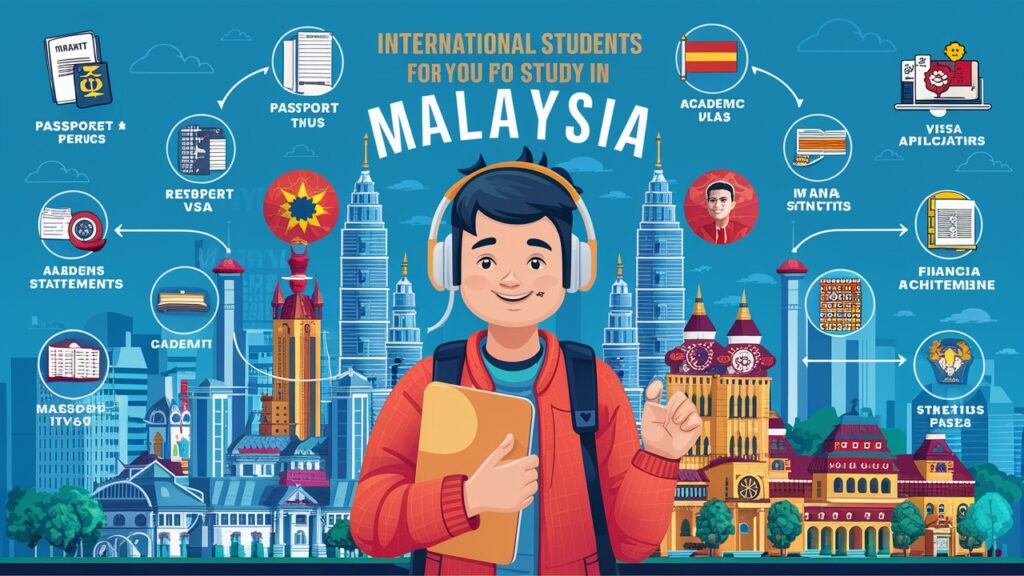
Introduction Malaysia has become one of the most popular study destinations in Asia, attracting thousands of international students every year. With its affordable tuition fees, diverse culture, and globally recognized universities, Malaysia offers a unique blend of quality education and vibrant student life. Before starting your academic journey, it’s important to understand the student visa requirements and application process. Having the right visa ensures a smooth transition into your studies and prevents unnecessary delays or complications. In this guide, we’ll cover everything you need to know about studying in Malaysia, including visa requirements, the step-by-step application process, costs, processing times, and useful tips for international students. Why Choose Malaysia for Higher Education? Malaysia has become a preferred destination for international students due to its unique combination of affordability, quality, and diversity. Here are some of the top reasons why students choose to study in Malaysia: 1. Affordable Tuition Fees and Living CostsCompared to countries like the UK, USA, or Australia, Malaysia offers world-class education at a much lower cost. Tuition fees are budget-friendly, and the cost of living—covering accommodation, food, and transportation—is relatively affordable for international students. 2. Globally Recognized UniversitiesMalaysia is home to top-ranked universities and branch campuses of prestigious institutions from countries like the UK and Australia. Degrees from Malaysian universities are recognized worldwide, giving students an excellent foundation for their careers. 3. Multicultural Environment and Student-Friendly PoliciesAs a multicultural nation, Malaysia welcomes students from across the globe. Its diverse cultural environment allows international students to feel at home while experiencing new traditions. In addition, the government has supportive student visa policies, making it easier for students to pursue higher education without hassle. Types of Student Visas in Malaysia To study in Malaysia, international students must obtain a Student Pass, which acts as the official student visa. Without it, you cannot legally study in the country. Below are the main types of visas related to studying in Malaysia: 1. Student Pass (Main Requirement)The Student Pass is specifically designed for full-time international students enrolled in Malaysian higher education institutions. It is usually valid for one year and must be renewed annually until the completion of your program. 2. Visa Approval Letter (VAL)Before applying for a Student Pass, students must first obtain a Visa Approval Letter (VAL) issued by the Education Malaysia Global Services (EMGS). This document confirms that you have been accepted into a recognized institution and are eligible for a student visa. 3. Single Entry Visa (SEV)Depending on your nationality, you may need to apply for a Single Entry Visa at the Malaysian embassy in your home country. The SEV allows you to enter Malaysia legally before converting it to a Student Pass. Who Needs a Student Visa?
Best Cities to Live and Study Abroad in Finland

Introduction Finland has become one of the most attractive destinations for international students, thanks to its world-class education system, safe environment, and innovative approach to learning. With top-ranked universities, affordable tuition compared to other European countries, and a high quality of life, Finland offers an ideal balance between academics and personal growth. When planning to study abroad in Finland, the choice of city plays a major role in shaping your student experience. Each city offers something unique—whether it’s career opportunities, cultural diversity, affordability, or student-friendly communities. Beyond academics, Finland is also known for its vibrant student culture, scenic landscapes, and strong emphasis on sustainability. From lively capital life in Helsinki to the peaceful lakeside atmosphere in Jyväskylä, students can find a city that matches their lifestyle and academic goals. 1. Helsinki – The Capital of Opportunities Helsinki is the capital of Finland, and it is one of the most popular places among international students. The city is the host to good institutions like the University of Helsinki and Aalto University, both of which rank very high in Europe and even attract students worldwide. Being the biggest city in Finland, Helsinki is a place of multicultural background, good employment opportunities, and unlimited possibilities to work as an intern, part-time worker, etc. It is the home of numerous international businesses and technological start-ups, which make it a great city to learn in, blending studies with prospective career development. Helsinki is also a more expensive city in Finland, but students receive transportation, meals and cultural activities discounts. Helsinki offers the ideal combination of study and life due to its lively nightlife, museums and events that are student-friendly. 2. Tampere – The Student-Friendly Hub Often called Finland’s “education city,” Tampere is one of the most student-friendly places in the country. The city is home to Tampere University and Tampere University of Applied Sciences, both of which attract thousands of local and international students every year. What makes Tampere special is its vibrant student community. The city is known for its active student unions, affordable housing options, and lively cultural scene. International students often highlight Tampere’s welcoming atmosphere and the ease of making friends. Compared to Helsinki, the cost of living is lower, making it an affordable yet high-quality option for students. With modern facilities, great public transport, and a balance between urban life and natural beauty, Tampere offers the best of both worlds for those who choose to study abroad in Finland.
Top Universities Offering Masters in Cyprus
Introduction Cyprus, a beautiful island nation in the Mediterranean, is steadily gaining recognition as a top choice for higher education. Known for its sunny climate, rich history, and welcoming culture, the country also offers a strong academic environment that attracts students from across the globe. In recent years, masters programs in Cyprus have become increasingly popular among international students. This is due to the country’s blend of high-quality education, affordable tuition fees, and globally recognized degrees. Many universities in Cyprus offer English-taught master’s programs, making it easier for students from different backgrounds to study without language barriers. What makes Cyprus truly appealing is its combination of academic excellence and lifestyle benefits. Students not only gain valuable qualifications but also enjoy a vibrant cultural experience, safe living conditions, and opportunities to network with peers from around the world. This perfect balance of education and lifestyle is why more students are choosing to pursue their masters in Cyprus each year. Benefits of Studying a Masters in Cyprus Pursuing a masters in Cyprus offers more than just a degree—it’s a gateway to academic growth, cultural enrichment, and global opportunities. Here are some of the key benefits that make Cyprus an attractive choice for postgraduate students: Affordable Tuition and Living Costs Cyprus also offers relatively lower tuition fees compared to other European states, but does not compromise on the quality of the master’s programs. It is also cost-effective in terms of living, which comprises accommodation, food, and transportation, and therefore, it is a good choice for any student who desires value. English-Taught Programs Most Universities in Cyprus provide master’s degrees in English, usually in areas such as business, engineering, computer science, tourism, and health sciences. This is because international students can learn without having to learn a new language before the course begins. High-Quality Education and Recognized Degrees Universities in Cyprus follow European Higher Education standards, ensuring that degrees are recognized across Europe and beyond. Students benefit from modern facilities, experienced faculty, and research-driven learning environments. Safe and Welcoming Environment Cyprus is known for its safety, friendly locals, and vibrant international student community. With a low crime rate and a supportive atmosphere, students can focus on their studies while enjoying the island’s relaxed lifestyle. Mediterranean Lifestyle and Cultural Experience From sandy beaches and sunny weather to historical landmarks and rich traditions, Cyprus offers a unique living experience. Studying here means balancing academic life with outdoor adventures, cultural festivals, and a taste of Mediterranean cuisine. Top Universities Offering Masters in Cyprus Cyprus is home to several reputable universities that offer a wide range of master’s programs in English. These institutions provide high academic standards, strong industry connections, and a multicultural environment for students. Below are some of the top universities where you can pursue your masters in Cyprus: 1. University of Cyprus (UCY) One of the most prestigious public universities in Cyprus was established in 1989 and is named the University of Cyprus. UCY has a research-intensive profile, and it provides a wide range of master’s degree programs in areas of engineering, social science, humanities, and economics. The university has a significant focus on innovativeness by offering students outstanding facilities, a highly experienced faculty, and experience in global projects. 2. Cyprus University of Technology (CUT) Being focused on applied sciences and technology, CUT is a major institution where students are interested in integrating theory and practice. Such popular master’s degrees are information technology, environmental science, and public health. The links between the university and industries guarantee students that they will get practical experience during their studies. 3. European University Cyprus (EUC) EUC is a school that is characterized by contemporary education and curriculum provisions. It offers awards in business administration, education, law, and medicine, amongst others, as master’s degrees. Its international cooperation is also one of the strong points at the university, since students can utilize exchange programs and contribute to global research projects. 4. University of Nicosia (UNIC) UNIC is the most prominent university in Cyprus, having an impressive offer of master’s programs, both online and offline. It is also highly regarded in fields like digital currency, international affairs, business, and health sciences. The university offers flexible learning options that portray it as a good university for working individuals. 5. Frederick University Founded on a powerful tradition of practical and career-oriented teaching, Frederick University is an eminent institution. The most popular master’s programs are engineering, architecture, education, and health sciences. Smaller class sizes allow students to have personal learning and interaction with professors.
How to Find External Scholarships for Undergraduate International Students in the USA

Introduction Studying in the USA is a dream for many undergraduate international students. The country is home to some of the world’s best universities, offering diverse academic programs, cutting-edge research opportunities, and a multicultural learning environment. However, pursuing higher education in the USA can be expensive, especially when considering tuition fees, accommodation, health insurance, and other living expenses. This is where scholarships play a vital role. They help ease the financial burden, allowing students to focus more on their academic and career goals rather than worrying about expenses. For international students, securing scholarships can make the difference between being able to study in the USA or not. It’s important to understand that scholarships come in two main types: university scholarships (offered directly by the college or university you’re applying to) and external scholarships (provided by private organizations, foundations, non-profits, or government agencies). This blog focuses on external scholarships for undergraduate international students in the USA — what they are, where to find them, and how to successfully apply. Understanding External Scholarships Before you begin searching, it’s essential to understand exactly what external scholarships are and how they differ from other funding options. An external scholarship is financial aid offered by an organization outside of the university you are applying to. These scholarships are usually funded by private foundations, government agencies, non-profit organizations, or even multinational companies. They are designed to support talented students, promote cultural exchange, and encourage global education. How External Scholarships Differ from University Scholarships Understanding these differences helps you develop a targeted scholarship search strategy and ensures you don’t miss valuable opportunities that could significantly reduce your study expenses.
Top 10 External Scholarships for International Undergraduates in the USA
Introduction Studying in the United States is a dream for many international students, thanks to its world-renowned universities, diverse academic programs, and vibrant campus life. However, pursuing an undergraduate degree in the USA often comes with a hefty price tag. Tuition fees, accommodation, textbooks, and daily living expenses can add up quickly—making it a financial challenge for many families. While some U.S. universities offer scholarships or need-based aid to international students, these opportunities are often limited and highly competitive. This is where external scholarships—those offered by organizations, foundations, and governments outside the university—can make a significant difference. In this blog, we’ll guide you through 10 top external scholarships available to international undergraduate students who wish to study in the USA. You’ll learn what each scholarship offers, who is eligible, and how to apply—helping you take a step closer to achieving your educational goals without the financial burden. What Are External Scholarships? When it comes to funding your studies abroad, many students focus solely on scholarships offered by universities. However, there is a broader category of financial aid that is often overlooked—external scholarships for international undergraduates in the USA. External scholarships are awards provided by sources outside the university you plan to attend. These may include private foundations, non-profit organizations, government agencies, and international funding bodies. The goal of these scholarships is to support deserving students across the globe, regardless of which U.S. university they attend. External scholarships to international undergraduates in the USA are more flexible than institutional aid. These are applicable in any accredited college or university, and some may cater to not only the tuition, but also living, books, and housing. They are invaluable to students who fail to acquire sufficient direct aid from their institution or aim to be less dependent on student loans. Such scholarships can be merit-based, need-based, and/or field-specific, i.e., they might be directed toward the student with an above-average academic performance, the student who is underrepresented, or the student entering a particular field (STEM, public sphere, and global development are often targeted). As an international student seeking to study in the U.S., it is essential to get as many external scholarships as you can apply to. They may be crucial to relieving financial problems and opening you up to good education in the United States. How to Find and Apply for External Scholarships Securing external scholarships for international undergraduates in the USA requires research, preparation, and strategic application. Since these scholarships are offered by third-party organizations, they aren’t always advertised on university websites—so it’s up to you to seek them out. 1. Where to Find External Scholarships There are several reliable platforms where you can search for updated lists of external scholarships for international undergraduates in the USA, including: You can also check local government portals, U.S. embassies, and international student forums. Bookmark scholarship databases and sign up for email alerts to stay informed about new opportunities. 2. Documents You’ll Usually Need Each scholarship will have its own requirements, but most will ask for: 3. Tips for a Successful Application To improve your chances of receiving one of the top external scholarships for international undergraduates in the USA, follow these key tips: By preparing thoroughly and applying smartly, you can increase your chances of securing financial aid and reduce the financial pressure of studying abroad. Top 10 External Scholarships for International Undergraduates in the USA Below is a carefully curated list of the top 10 external scholarships for international undergraduates in the USA. These programs are offered by trusted organizations and provide generous support to help students study in the United States without the heavy financial burden. Each listing includes a short description, eligibility details, award amount, and application deadline (where available). Always check the official website for the most current information before applying. 1. The Gates Scholarship 2. United World Colleges (UWC) Scholarships 3. The MPOWER Global Citizen Scholarship 4. EducationUSA Opportunity Funds Program 5. The Fulbright Foreign Student Program (Pre-Undergraduate Pathways) 6. International Peace Scholarship (P.E.O.) 7. The Aga Khan Foundation International Scholarship Program 8. Civil Society Leadership Awards 9. Horatio Alger International Scholarship Program 10. Tortuga Study Abroad Scholarship These external scholarships for international undergraduates in the USA offer more than just money—they open doors to world-class education, global networks, and life-changing opportunities. Make sure to visit each program’s official site for application details and updates.
How to Apply for UF Study Abroad: A Step-by-Step Guide
Introduction In today’s interconnected world, studying abroad has become more than just an academic opportunity—it’s a life-changing experience. More students than ever are seeking global education to broaden their perspectives, enhance their resumes, and develop cross-cultural skills that are highly valued in today’s job market. At the University of Florida, the UF Study Abroad program offers students the chance to explore the world while earning credit toward their degree. Whether you’re interested in spending a summer in Spain, a semester in Japan, or joining a faculty-led trip to Italy, UF provides a wide range of options tailored to diverse academic interests and career goals. This step-by-step guide is designed to help UF students navigate the UF Study Abroad application process with ease. From exploring programs to preparing for departure, we’ll walk you through everything you need to know to turn your study abroad dreams into reality. What Is UF Study Abroad? UF Study Abroad is a global learning initiative by the University of Florida that allows students to take academic courses in another country while earning credit toward their degree. These programs are coordinated by the UF International Center (UFIC) and are designed to offer enriching academic and cultural experiences beyond the traditional classroom. Students can choose from a wide variety of study abroad options, including: Whether you want to study marine biology in Australia, business in London, or art history in Italy, there’s a UF Study Abroad program that fits your academic path. Each program is carefully structured to ensure a balance of coursework, cultural immersion, and personal development. Participating in UF Study Abroad not only enhances your education—it also builds independence, adaptability, and a global mindset, which are invaluable in today’s competitive job market. Step 1: Explore Available Programs The first step in applying for UF Study Abroad is discovering which program is the best fit for your academic goals, interests, and budget. With hundreds of programs offered across multiple continents, the University of Florida makes it easy for students to find opportunities that align with their degree plans and personal preferences. Where to Start Your Search Begin your exploration on the UF International Center’s Study Abroad Program Search page. Here, you can filter programs by: What to Consider When Choosing a Program As you browse through options, keep these key factors in mind: Utilize UF Resources UF provides brochures, information sessions, and student testimonials to help you make informed decisions. Some departments also recommend study abroad programs tailored to specific majors. Researching and considering alternative options will help you get the most out of your UF Study Abroad program and overall experience. Step 2: Meet with a UF Study Abroad Advisor Once you’ve narrowed down your options, the next important step in the UF Study Abroad process is meeting with a dedicated advisor. UF Study Abroad advisors are trained to help you choose the right program, stay on track academically, and understand the logistics involved in studying abroad. How to Schedule an Appointment You can book an appointment through the UF International Center website or by visiting their office on campus. Some programs also hold virtual advising sessions or drop-in hours during peak seasons. What to Expect in the Advising Session During your meeting, be prepared to: Advisors will also help ensure that your UF Study Abroad program aligns with your graduation timeline and degree requirements. In many cases, they will coordinate with your academic advisor to confirm course approvals and credit eligibility. Why Advising Is Essential Skipping this step could lead to missed deadlines, credit issues, or choosing a program that doesn’t meet your academic needs. Think of your advisor as your personal guide to making your study abroad experience smooth, successful, and stress-free. Step 3: Review Eligibility and Requirements Before you start the application for your chosen UF Study Abroad program, it’s essential to review the eligibility criteria and required documents. Each program may have specific conditions you must meet, so staying informed will save you time and prevent delays. General Eligibility Criteria While requirements can vary by program, most UF Study Abroad opportunities require that you: Passport and Visa Requirements You must have a valid passport that will remain active for at least six months after your program ends. If your destination country requires a visa, your UF Study Abroad advisor will guide you through the process. Start your passport or visa application as early as possible—it can take several weeks or even months to process, depending on the country. Health and Travel Requirements Some programs may require: Language Proficiency (If Required) If you are applying to a program where classes are not taught in English, check if you need to take a language proficiency or placement test. Many programs offer courses in English, but some have specific language requirements. Staying organized and meeting all program requirements is key to a successful UF Study Abroad application. Step 4: Complete the Application Process Once you’ve confirmed your eligibility and selected your preferred program, it’s time to officially apply for UF Study Abroad. The University of Florida has made this process straightforward, but it’s important to follow each step carefully to avoid delays or rejection. Accessing the Application Portal All applications are submitted through the UF International Center’s online portal, which you can access via the UF Study Abroad website. Each program has its own application link, so be sure you’re applying to the correct one. Required Documents Typical application materials include: Each program page lists its specific requirements, so review carefully before submitting. Application Deadlines Deadlines vary by program and term, but most UF Study Abroad deadlines fall in: It’s best to apply early, especially for competitive programs or those offering scholarships. Pro Tips for a Strong Application Completing your UF Study Abroad application with attention to detail increases your chances of acceptance and shows your commitment to making the most of the opportunity. Step 5: Apply for Financial Aid and Scholarships Studying abroad can be one of the most rewarding investments in your
UK eVisas for Pakistanis: A Game Changer for Students and Skilled Workers

Introduction In a significant step toward modernizing its immigration system, the United Kingdom has launched a digital visa system—commonly known as the eVisa—that will gradually replace physical visa vignettes and biometric residence permits. This shift is part of the UK government’s broader plan to make immigration processes more secure, convenient, and user-friendly in the digital age. As of 2025, this new system is now available for Pakistani students and skilled workers, marking a major milestone in UK–Pakistan visa relations. Applicants from Pakistan can now access, view, and manage their UK visa status online—without the need for a physical document in their passport. This move is particularly timely as the UK continues to see a rising number of Pakistani nationals applying for student and work visas. The introduction of eVisas not only streamlines the process but also signals the UK’s commitment to improving accessibility and efficiency for genuine applicants. What is a UK eVisa? A UK eVisa is a digital record of a person’s immigration status, replacing the traditional physical visa sticker (vignette) or Biometric Residence Permit (BRP). Instead of relying on a paper-based document placed in a passport, the eVisa is securely stored online and can be accessed through the UK government’s official visa platform. With an eVisa, individuals can: This system is part of the UK’s digital transformation agenda, aiming to make immigration more efficient, secure, and adaptable to the modern needs of travelers, students, and professionals. The move to eVisas eliminates the risk of losing a physical visa document and makes cross-border travel smoother—especially important for students and workers who frequently need to prove their visa status. Why the UK Introduced eVisas for Pakistanis The UK’s decision to launch eVisas for Pakistani nationals is a strategic step in enhancing its immigration services and strengthening bilateral relations. With thousands of Pakistani students and skilled workers choosing the UK each year, the move to a digital visa system comes at a crucial time. One of the key reasons behind this rollout is the UK’s goal to build a modern, paperless immigration system that improves efficiency, reduces fraud, and offers greater convenience for international applicants. For Pakistani citizens, who consistently rank among the top applicants for UK study and work routes, this means faster processing and easier access to visa-related services. This transition also aligns with the UK’s broader points-based immigration system, which places emphasis on attracting global talent. By offering a streamlined, digital visa experience, the UK is sending a clear message: skilled professionals and genuine students from Pakistan are welcome—and the process to enter is now simpler than ever. The launch of eVisas for Pakistanis isn’t just a technical upgrade; it’s a major policy shift that acknowledges Pakistan’s growing contribution to the UK’s education and labor sectors. Key Benefits of UK eVisas for Pakistani Students The introduction of UK eVisas for Pakistani students brings several important benefits that simplify the journey from application to arrival in the UK. As thousands of students from Pakistan choose the UK for higher education each year, this digital upgrade comes as welcome news. 1. Simplified Application Process With the eVisa system, students no longer need to wait for physical visa stickers or biometric residence permits. All visa information is stored securely online, reducing paperwork and long wait times. 2. Faster Visa Processing The shift to digital processing helps reduce delays caused by manual handling of physical documents. Pakistani students can expect a quicker turnaround on their UK student visa applications, especially during peak admission seasons. 3. No More Lost or Damaged Documents One of the biggest pain points of physical visas is the risk of losing them or damaging your passport. With an eVisa, your immigration status is securely accessible online—anytime, anywhere. 4. Easier Access to Services in the UK Once in the UK, students can prove their status to universities, landlords, and employers through a simple digital share code. This makes settling in faster and smoother. 5. Real-Time Updates and Digital Tracking Students will receive updates directly through their UKVI (UK Visas and Immigration) account. This means no more waiting for letters or checking postal mail for updates—everything is instant and online. For Pakistani students planning to study in the UK, this digital system reduces hassle and offers a much more transparent and efficient way to manage their visa status.
Strengthening Futures: Pakistan and UAE Collaborate on Education and Talent Growth

Introduction Pakistan and the United Arab Emirates are forging a new chapter in bilateral engagement by deepening collaboration in higher education and human resource development—sectors vital to national progress in today’s rapidly evolving global landscape. With the UAE investing heavily in academic infrastructure—currently overseeing over 123 licensed universities and branches across Abu Dhabi, Dubai, and Sharjah—and positioning itself as a leading regional hub, it offers close to 165 accredited programs across STEM, business, and liberal arts disciplines. For Pakistan, aligning this wealth of educational capacity with its human capital goals—such as increasing PhD production and boosting tertiary education enrollment under Vision 2025—represents a significant leap toward socio-economic transformation. This growing partnership was reaffirmed in early July 2025 when Pakistan’s Ambassador to the UAE, Faisal Niaz Tirmizi, met with UAE’s Human Resources and Higher Education Minister Dr. Abdulrahman bin Abdulmanan Al Awar. The two sides reviewed ongoing initiatives and resolved to elevate cooperation across institutions, scholarships, skill-development programs, and professional training schemes—benefitting students, academics, and professionals from both countries. This collaboration underscores the strategic importance of leveraging education to nurture talent, foster mobility, and strengthen socio-economic links between nations committed to shared development. Historical Background a) Foundations of Educational Cooperation The seeds of Pakistan–UAE collaboration in education were sown well before 2025. As early as December 2021, both countries pledged to enhance cooperation in education and skills training, assigning Pakistan’s Higher Education Commission (HEC) and the National Vocational & Technical Training Commission (NAVTTC) to engage with their UAE counterparts toward shared educational goals. b) Diplomatic Engagements and Institutional Diplomacy Building on those commitments, a major milestone occurred in early July 2025 when Ambassador Faisal Niaz Tirmizi met with UAE Minister Dr. Abdulrahman bin Abdulmanan Al‑Awar in Abu Dhabi. The meeting reaffirmed both nations’ resolve to expand partnerships across higher education, skill development, and workforce readiness. Ambassador Tirmizi notably underscored the substantial contribution of over 1.5 million Pakistani expatriates to the UAE—remittances worth more than $5 billion annually—emphasizing the socio-economic stake in deepening bilateral ties. c) Institutional and Policy-Level Synergies Beyond political engagements, the Pakistani Consulate in Dubai has played an active role in forging institutional links. In 2024, it had already signed multiple MoUs with UAE-based universities, facilitating joint academic programmes and smooth credential recognition—ensuring degrees earned in UAE institutions receive official recognition in Pakistan and vice versa. Such frameworks support student mobility and mutual qualification equivalence. d) Academic Outreach and Pakistani Universities’ Presence in UAE By 2025, Pakistani private universities began actively participating in major UAE education platforms. At GETEX 2025, institutions such as Superior University (with a campus in Ras Al Khaimah) showcased skill-based curricula, internship‑linked programmes, and scholarships to the UAE and global student communities. This reflects a tangible shift from policy discussions to on-the-ground educational engagement. Skill Development & Internship Programs 🌟 a) Institutional MOU on Labour & HR Training Pakistan and the UAE have a long-standing commitment to developing skilled human resources, formalized through a landmark MoU signed on June 18, 2019. The agreement institutionalized cooperation in labour management, bringing together government agencies for pre-departure and post-arrival educational programming, digital case administration, and arbitration systems to protect Pakistani workers in the UAE 🇵🇰–🇦🇪. While focused on migrant labour, this framework forms an essential foundation for formal training and preparedness in workforce migration. b) New Bilateral Focus on Workforce-Readiness In July 2025, high-level talks between Pakistan’s Ambassador Faisal Niaz Tirmizi and UAE Minister Dr. Abdulrahman Al Awar renewed emphasis on higher education and human resource development coordination. The dialogue signaled a concerted resolve to build structured programs benefiting students, institutions, and professionals via coordinated skill training initiatives. c) Scholarship & Training MoUs with Universities Initiatives like the 2021 MoU between Sarhad University of Science & Information Technology (Ras Al Khaimah campus) and the Pakistan Consulate in Dubai offer 100% tuition scholarships to Pakistani students and faculty, along with professional development seminars and workshops. These efforts not only reduce financial barriers but also empower educators and administrators to participate in international learning ecosystems. d) Student Mobility, Internships & Networking Platforms Pakistani institutions are increasingly participating in UAE educational expos such as Uniexpo and GETEX. Alongside the presence of colleges like Superior University in UAE, these events facilitate access to internships, skill‑linked programs, and scholarships. While these programs remain highly competitive, with only partial funding available in many cases, they represent critical gateways to cross-border training and career exposure for young professionals. e) Capacity-Building via Workshops & Seminars Pakistani universities and the Consulate have organized continuing professional development sessions, webinars, and teacher workshops in the UAE. Such capacity-building interventions strengthen human-resource readiness, institutional exchange, and collaborative training ecosystems between the two countries. ✅ Key Takeaways Theme Strategic Insight Policy Foundation Labour‑sector MoUs provide structural mechanisms for training and worker protection. High-Level Momentum 2025 diplomatic dialogue reaffirms shared commitment to educational and workforce cooperation. Accessible Scholarships Programmatic support through MoUs with UAE institutions expands opportunity for Pakistani students and educators. Professional Linkages Networking platforms like GETEX foster student mobility and cross-country internships. Capacity Enhancement Workshops and CPD initiatives help strengthen academic-community readiness and quality assurance. This section emphasizes the multi-dimensional framework through which Pakistan–UAE cooperation in education is evolving—spanning policy, institutions, skill-building platforms, and direct student-professional engagement.