
Germany Raises Proof-of-Funds Requirements for Student Visa Applicants: What You Need to Know in 2024

Introduction Germany has recently increased its proof-of-funds requirements for student visa applicants, a change that will take effect in 2024. This new regulation mandates that international students demonstrate access to €11,904 (approximately USD 12,875) for one year of study. This adjustment aims to ensure that students can financially sustain themselves without needing excessive work hours, thereby allowing them to focus on their studies and better integrate into the German education system. Understanding the New Proof-of-Funds Requirements Germany’s updated proof-of-funds requirements for student visa applicants now necessitate that students demonstrate access to €11,904 for one year of study, up from the previous requirement of €10,236. This change represents a significant increase, aimed at aligning with the rising cost of living and ensuring that international students can adequately support themselves without undue financial stress. The adjustment also reflects broader economic factors, including inflation and increased living costs across Germany. By raising the proof-of-funds threshold, the German government aims to guarantee that students are financially secure, allowing them to focus on their studies and contribute positively to the academic community. Financial Preparation for Prospective Students How Much You Need to Show For the 2024 visa application, prospective students must demonstrate access to €11,904 for one year of study. This amount is intended to cover all necessary expenses, including tuition fees, living expenses, and health insurance. Tuition fees in Germany can vary widely depending on the institution and the program of study, though many public universities offer low or no tuition fees for international students. Living expenses typically include accommodation, food, transportation, and other personal costs, which average around €861 per month. Additionally, health insurance is mandatory for all students and can cost approximately €80 per month. Acceptable Forms of Proof When preparing your financial documents for the visa application, German authorities accept several forms of proof. These can include bank statements showing the required amount in a blocked account, a scholarship award letter detailing the funding provided, or a financial guarantee from a sponsor. It’s crucial to ensure that these documents are current, clearly show the available funds, and are translated into German or English if necessary. Common mistakes to avoid include providing outdated bank statements, insufficient funds, or unclear documentation, all of which can lead to delays or rejection of the visa application. Impact on International Students Challenges Faced by Applicants The increase in proof-of-funds requirements to €11,904 for studying in Germany poses a significant challenge for students from lower-income countries. These students often struggle to accumulate the necessary funds, which can deter them from applying. Additionally, the financial burden may disproportionately affect applicants from specific regions, such as parts of Asia, Africa, and Latin America, where average income levels are lower. The higher financial threshold could lead to a decline in the number of applicants from these regions, potentially reducing the diversity of the international student population in Germany. Strategies to Meet the Requirements To meet the new financial requirements, prospective students can adopt several strategies. Saving diligently and seeking part-time work opportunities in their home countries can help accumulate the necessary funds. Exploring scholarships, grants, and financial aid options is also crucial. Numerous organizations and institutions offer financial support specifically for international students. Students should research and apply for these opportunities early. Additionally, securing a sponsor or obtaining a student loan might be viable options for some applicants. Proper financial planning and exploring all available resources can significantly ease the burden of meeting the proof-of-funds requirement. Alternatives and Solutions Scholarships and Financial Aid Germany offers a range of scholarships and financial aid options for international students, which can significantly offset the increased proof-of-funds requirements. Notable scholarship programs include the DAAD (German Academic Exchange Service) scholarships, which support students at various academic levels, and the Erasmus+ program, which offers funding for students within the European Union. Additionally, many German universities provide their own scholarships based on merit or financial need. If you want to improve your chances of getting financial aid, then you have to start the process earlier, and all papers must be filled out in the proper way. Succinct has a clear format because the focus is on academic performance, other activities such as sports, and any signs of employment—all can be key factors that must be emphasized in the given context. It is also helpful to focus on applying for small scholarships that are not widely known because there will be fewer people competing for such scholarships. Getting good grades, keeping your GPA high, and getting good letters of recommendation can all go to add to your benefits. Part-Time Work Opportunities Working part-time while studying is another viable way to meet the financial requirements. International students in Germany are legally allowed to work up to 120 full days or 240 half days per year without the need for additional permits. This can provide a substantial supplementary income to cover living expenses. As a rule, you can find a part-time job in the university’s employment information center, in various entertaining centers and shops in the vicinity, as well as on Internet sites that are designated for offering jobs. Examples of chosen positions for the students are employment in retail shops, restaurants and cafes, and tutoring. Students can easily balance work and study if they have strong time management skills; it is possible to set a certain routine of work and follow it. Association with other students and being a member of some university groups also provides employment opportunities. By exploring scholarships and financial aid, along with leveraging part-time work opportunities, international students can better manage the increased financial requirements and achieve their academic goals in Germany. The Application Process: Step-by-Step Guide Preparing Your Financial Documents Preparing your financial documents meticulously is crucial for a successful student visa application to Germany. Start by opening a blocked account, a special type of bank account where a predefined sum of money is deposited and blocked for the duration of your stay in Germany. This account ensures you have the required €11,904
Scholarships and Financial Aid: Funding Your Education in Canada

Introduction Pursuing higher education in Canada is a dream for many international students, thanks to its world-class universities, diverse cultural environment, and strong academic reputation. However, the cost of education can be a significant barrier. This is where scholarships and financial aid in Canada play a crucial role. These financial supports not only make education in Canada more accessible but also relieve students from financial stress, allowing them to focus on their studies and personal growth. Various types of financial aid are available, ranging from merit-based scholarships to need-based grants and loans, catering to a wide range of student needs and backgrounds. Various types of financial aid are available, ranging from merit-based scholarships to need-based grants and loans, catering to a wide range of student needs and backgrounds. Studying in Canada offers numerous benefits, including exposure to a multicultural society, access to high-quality education, and potential career opportunities post-graduation. Types of Scholarships Available in Canada Merit-Based Scholarships There are two types of scholarships in Canada: merit-based scholarships, which are offered to those students who have been proven to be very excellent academically, have leadership qualities, or are very talented in certain vocations, among other merits. Requirements for the applicants of these scholarships are normally a high grade point average, high scores in tests, and successful involvement in the co-curricular activities. Some of the major merit-based scholarships for Canadian students include Vanier Canada Graduate Scholarships that target doctoral students and Trudeau Foundation Scholarships for doctoral students interested in social sciences and humanities. Need-Based Scholarships Need-based scholarships are designed to assist students who require financial support to pursue their education in Canada. These scholarships consider the student’s financial situation and are intended to ensure that education is accessible to all, regardless of economic background. Examples of need-based scholarships in Canada include the Canada Student Grant for Full-Time Students, which offers financial assistance based on need, and the Lester B. Pearson International Scholarship at the University of Toronto, which covers tuition, books, incidental fees, and full residence support for international students showing financial need and exceptional academic potential. Government-Funded Scholarships Scholarships that are available for the international students are offered by the Canadian government through the federal and provincial governments. The federal government wholly offers scholarships such as the Canada Graduate Scholarships—Master’s Program (CGS M) for students enrolled in any master’s course. There are provincial scholarships, which include the Ontario Graduate Scholarship (OGS). They are available for graduate students in the province of Ontario. Usually, the application processes for these scholarships consist of the submission of an application package of documents that include, among others, the academic records, recommendation letters, and statement of purpose. University-Specific Scholarships Many Canadian universities offer their own scholarships to attract and support international students. These scholarships can vary widely in terms of eligibility criteria, the application process, and the amount awarded. For instance, the University of British Columbia (UBC) International Leader of Tomorrow Award recognizes international students with superior academic achievement and leadership skills. The application process for university-specific scholarships often includes submitting academic records, a personal statement, and proof of financial need or merit. Deadlines vary by institution, so students should check the specific requirements and timelines of the universities they are interested in. Financial Aid Options Grants and Bursaries These are gifts that include grants and bursaries, which are non-repayable sources of funds that can greatly help to reduce the cost of tuition fees for the international students in Canada. While the two are often used interchangeably, the former is given out depending on one’s financial situation, while the latter could be given depending on the students’ performance or other existing factors. Some examples of grants and bursaries accessible to international students are: the Canada Student Grant for Full-Time Students provides students with considerable financial need funds; the University of Toronto has the Lester B. Pearson International Scholarship, which pays for a student’s international tuition, books, incidents, and full residence for students with proven demonstrated financial needs and excellent academic achievements. Student Loans Canadian student loan options provide another viable route for funding education, though international students face certain restrictions. Federal and provincial governments offer loans to eligible students, often with favorable terms such as low interest rates and deferred repayment until after graduation. International students can apply for private loans from financial institutions, often requiring a Canadian co-signer. The process involves providing proof of enrollment, credit checks, and sometimes financial need documentation. Work-Study Programs Work-study programs offer international students the opportunity to earn money while gaining valuable work experience. These programs typically allow students to work part-time on campus or with approved off-campus employers. Benefits include flexible working hours that accommodate academic schedules, practical experience in the field of study, and financial support to cover living expenses. To apply, students usually need to demonstrate financial need and maintain satisfactory academic progress. Examples include the University of British Columbia’s Work Learn Program and the University of Toronto’s Work-Study Program. How to Apply for Scholarships and Financial Aid Researching Opportunities Finding the right scholarships and financial aid can be a daunting task, but with the right approach, it becomes more manageable. Start by leveraging reputable scholarship search engines like Scholarship Canada, EduCanada, and Unigo, which aggregate opportunities from various sources. Additionally, explore scholarship opportunities directly on university websites and government portals. Networking with academic advisors, professors, and current students can also uncover less-publicized awards. For the latest information, consider following organizations such as the Canadian Bureau for International Education (CBIE) and professional groups related to your field of study, which often provide updated scholarship listings and advice. Preparing Your Application A well-prepared application can significantly increase your chances of receiving financial aid. Begin by gathering all necessary documents, such as academic transcripts, standardized test scores, and letters of recommendation. It’s essential to carefully read the scholarship requirements and tailor your application materials accordingly. When writing your scholarship essay, focus on creating a compelling narrative that highlights your achievements, goals, and the unique perspectives you bring. Use
Will Australia Reopen Its Borders for Pakistani Students?

Introduction Australia’s recent policy updates in migration and education have profound implications for international students and migrants. This article delves into the latest developments, including the review of the Migration Health Requirement and Significant Cost Threshold (SCT), the findings of the Nixon Review into the exploitation of Australia’s visa system, and the current status of Australian borders reopening for international students, particularly from Pakistan. The COVID-19 pandemic led to Australia’s stringent border closures, significantly impacting international travel and the education sector. As one of the world’s leading destinations for international students, Australia’s robust measures were aimed at controlling the virus’s spread but came at a substantial cost to its vibrant international education sector. The importance of this sector cannot be overstated, contributing significantly to the economy and cultural diversity of Australian campuses. With Australia reopening its borders, there is renewed hope and opportunity for international students, including those from Pakistan, to once again pursue their educational dreams in Australia. 1. Nixon Review into the Exploitation of Australia’s Visa System In January 2023, the Hon Clare O’Neil MP, Minister for Home Affairs and Cyber Security, appointed former Chief Commissioner of Victoria Police Christine Nixon to conduct a rapid review into the exploitation of Australia’s visa system. This review aimed to address migrant worker exploitation and strengthen the visa framework. Key Findings and Government Response: Presented in March 2023, the Nixon Review included 34 recommendations based on seven key findings. The government’s response involves: The government agreed fully or in part to 24 recommendations, noted eight, and disagreed with two, reflecting a comprehensive approach to addressing the issues identified in the review. 2. Reopening of Australian Borders for International Students Current Status: Australia has begun reopening its borders to fully vaccinated international students. Entry requirements include presenting a valid vaccination certificate and undergoing COVID-19 tests before departure and upon arrival. Quarantine rules vary by state, with New South Wales and Victoria offering more relaxed conditions for vaccinated arrivals. Support for Pakistani Students: Australian universities are actively supporting Pakistani students through initiatives like charter flights, financial aid, and robust online learning options. Enhanced support services, including mental health and orientation programs, ensure a smooth transition. Future Prospects: Experts predict a gradual return to pre-pandemic levels of international student arrivals by mid-2025. Government policies on health, safety, and international education funding will shape the future landscape for international students. Conclusion Australia is making significant strides in updating its migration and education policies to address contemporary challenges. The reviews of the Migration Health Requirement and visa exploitation underscore the government’s commitment to safeguarding public health, containing public expenditure, and protecting vulnerable migrants. The reopening of borders marks a positive step towards revitalizing Australia’s international education sector, offering renewed opportunities for Pakistani students and others worldwide. In conclusion, the recent policy changes and the gradual reopening of borders signal a hopeful future for international students planning to study in Australia. Pakistani students, in particular, are encouraged to stay informed about the latest developments, engage with university support services, and prepare for their journey to Australia. The concerted efforts by the Australian government and educational institutions aim to provide a supportive and inclusive environment for all returning students. By regularly checking official sources such as Australian government websites and university announcements, students can stay updated on entry requirements and travel advisories. Staying informed and proactive will help Pakistani students navigate the complexities of the border reopening process and ensure a smooth transition to their studies in Australia. For more detailed information, you can refer to the Department of Home Affairs and Australian Government Department of Education websites.
How to Choose the Right Research Degree Program at the University of Portsmouth

Introduction University of Portsmouth is one of the greatest options to consider when thinking about a research degree: this university lies in a studying city with a creative atmosphere and equip with great researching facilities. Selecting an appropriate research degree is a dramatical decision that can determine the further educational and career path. The right program not only helps in building up the intellectual aspect but also facilitates and support towards the completion of the research. This blog aims to guide prospective students through the process of selecting the ideal research degree at the University of Portsmouth, highlighting key factors to consider and the unique opportunities the university offers. Understanding Your Research Interests Awareness of your research area of focus is the first and primary step when considering a research degree, as it determines your course of study and even the type of job you may undertake in the future. To start the process of choosing specific subjects, follow the steps below: Reflect on the area that interests you and where you can build a niche and have the most influence. Think back about academic and professional experiences that have influenced you or shaped the way you think. Exploring and managing these interests in a manner that aligns with your career goals becomes a productive way of guaranteeing that a research journey will be productive and purposeful. Matching your pursuits to attainable programs is a crucial step in deciding the course of your academic achievement and career path. The University of Portsmouth opened a wide range of research areas, including the natural environment, marine business, arts and design, media technology, and healthcare. Here, you will discover that there exists a section that would interest you and is also an area of specialty of the university. For example, if you are an environmental science enthusiast, their research interests may incline toward sustainability microspecializations for addressing global issues. This alignment improves your research experience and helps you access the required assistance and opportunities in order to succeed in your majors. Exploring Available Research Degree Programs Exploring the available research degree programs at the University of Portsmouth is essential for prospective students aiming to tailor their academic pursuits to their interests and career goals. The university offers a variety of research degree programs, including MPhil, PhD, and professional doctorates, each designed to cater to different levels of academic and professional development. An MPhil typically involves original research and prepares students for more advanced doctoral studies, while a PhD focuses on creating significant contributions to a specific field of knowledge through extensive research. Professional doctorates, on the other hand, are tailored for those seeking to apply research directly to professional practice, integrating academic inquiry with practical application. Additionally, the University of Portsmouth provides interdisciplinary opportunities and joint programs, allowing students to engage in collaborative research across multiple fields, thereby enriching their academic experience and broadening their professional horizons. Evaluating Faculty Expertise and Research Facilities Another factor that is important when selecting the right research degree program is the determination of the faculty’s abilities and the available research facilities. It is most essential that students are assigned faculty mentors due to the centrality of these professionals to enriching a student’s academic profile and offering important guidance for successful research. Regarding potential supervisors it is useful to consider their scholarship, the amount and quality of the public output, the projects they carry out, the status within the academic community. Looking into their previous students’ achievement and what they have said about the mentoring they received can also help evaluate the quality of the services they offer in this regard. Moreover, talking to the current faculty members either face-to-face or in writing can also give a clue on whether the faculty member will be willing to endorse your research interests and objectives. The University of Portsmouth provides the students with modern research infrastructure and services that boost the research process. The university has provided enough resources in form of well equipped technologically acquired laboratories, publication of periodicals, advanced apparatus as well as centrally computerized digital libraries for the production of research worthy outputs by the students. Some of these departments include the Centre for Enzyme Innovation and IME; they demonstrate the university’s investment in impactful research. Furthermore, interdisciplinary research centres promote interdisciplinarity organized in different fields which guarantees a favourable environment for researcher and innovative ideas. When acquiring these resources, students can execute their research activities confidently and make operational advancements in their disciplines. Assessing Program Structure and Requirements Assessing the program structure and requirements of research degree programs is essential for prospective students to ensure they align with their academic and career goals. Typically, research degree programs at the University of Portsmouth and similar institutions include a combination of coursework, independent research, and key milestones. The coursework is designed to provide foundational knowledge and research skills, while the primary focus remains on conducting original research under the guidance of a supervisor. Students must complete various milestones, such as literature reviews, research proposals, and progress reviews, to demonstrate their advancement. Understanding the program duration is also crucial, as it varies depending on whether a student is enrolled full-time or part-time. Full-time programs generally take three to four years to complete, whereas part-time options offer flexibility for those balancing other commitments but may extend the duration. By thoroughly evaluating these aspects, students can make informed decisions about the suitability of a research degree program for their individual needs and circumstances. Investigating Funding and Scholarships Investigating funding and scholarships is a crucial step for prospective research students, ensuring financial viability throughout their academic journey. The University of Portsmouth offers a range of funding options, including scholarships, grants, and assistantships, tailored to support research students. Scholarships are often merit-based, rewarding academic excellence and potential, while grants may be available for specific research projects or fields of study. Assistantships provide opportunities for students to work as teaching or research assistants, offering both financial support and valuable professional experience. To secure
Top Reasons to Choose Queen’s University Belfast for Your Higher Education
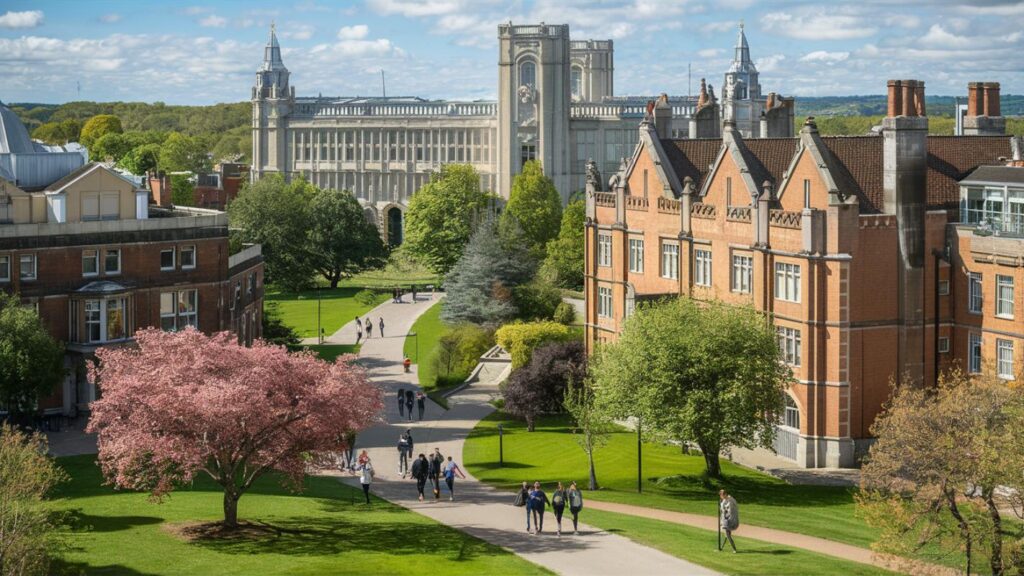
Introduction Queen’s University Belfast is an ideal institution to conduct research, for it is a reputable university with a culture of educational competence located in Northern Ireland. University selection is very important because it determines one’s future education, professional progression, and character. Thus, this blog’s purpose is to explain why Queen’s University Belfast should be at the top of your list by presenting the subject, environment, and experiences that the university guarantees to international students. Prestigious Reputation and History Queen’s University Belfast is already an educational institution with a rich history and tradition; founded in 1845, it is one of the most recognizable educational facilities in the territory of the United Kingdom. This university was established in 1845 during the time of Queen Victoria, but the academic journey of this university dates way back to the year 1810. The rich architecture and the ancient look of the university campuses, along with the modern facilities, portray tradition at the heart of innovation. Populating the academic map over the years, Queen’s reveals itself as a hub for knowledge and innovation and sends its graduates a step further to various areas of specialization with its industry-like programs and research. Globally, Queen’s University Belfast is always on the list of exceptional learning institutions; that’s why it usually takes a very significant position among world universities. It has received recognition for its research output, the quality of the teaching that it provides, and the satisfaction of the student populace. There is a long list of alumni who are role models in the society, contributing to different sectors of the society, such as Nobel Prize winners, researchers, authors of recognized books, and politicians, among them. These achievements help to shape a great reputation of the university and at the same time encourage current learners to perform their best in their academic and career lives. Academic Excellence Queen’s University Belfast is widely recognized as one of the leading universities in North Ireland, providing a multitude of study programs and courses to its students. Queen’s offers over 300 degree programs in the fields of engineering, medicine, law, business, and the humanities, as well as others, to ensure that students are provided with sufficient choices to achieve their dreams. The faculty at Queen’s is considered highly qualified, composed of many scholars, workers, and dedicated leaders in the various fields, especially those who are involved in the research activities. These faculty members implement practical knowledge and experience in their teaching pedagogy to introduce a culture of originality combined with thinking styles that are inventive, collaborative, and career-based. More also, Queen’s University Belfast avows offering lots of research activities to students so that they can solve progressive problems and make advancements in areas of specialization. Cutting-Edge Research At Queen’s University Belfast, the mission of research is integrated with the principles of advancing teaching and development of ideas that trigger positive change in society. The university presently has many research institutes and centres of excellence within it, mainly in the areas of health sciences, cybersecurity, the environment and peace and conflict. The students of the undergraduate and postgraduate levels are strongly encouraged to participate in the research, as they get many opportunities to work with primitive projects as well as with the top faculty members of the university. These research plans regularly comprise interprofessional cooperation as well as strategic partnerships with businesses, public authorities, and global organizations, thereby guaranteeing that the scholarly work accomplished at Queen’s will actively make a difference for global society. Understanding the university’s dedication to research carried out not only serves signification in enhancing the academic learning experience but also place the learners and the instructors with the obligation of addressing some of the world’s major issues. Modern Campus Facilities Queen’s University Belfast offers a modern campus equipped with state-of-the-art facilities designed to enhance the learning experience and support academic excellence. The university’s academic buildings and classrooms feature the latest technology, providing an interactive and dynamic environment for teaching and learning. The latest instruments and tools are present in various departments and research centers where students and faculty members can conduct research and experiments. McClay Library is another hallmark of the university, with virtually all the requisite resources, such as books, journals, and other forms of publications, computerized ICT facilities, and study areas for individuals and group students. Recent updates to the campus infrastructure ensure that students have access to the best possible facilities, fostering an environment where academic and personal growth can thrive. Vibrant Student Life Queen’s University Belfast also boasts of conspicuous co-curricular activities and organizational programmes that tends to complement learning and enhance Student’s overall human experience. Currently, the university has many types of student organizations including academic based and professional associations, sports activities, hobbies, and cultural clubs and societies. These organizations provide students with opportunities to enhance leadership qualities, strengthen friendships, and grow in their interests in fellowship. The campus is often saturated with events and festivals all year round, and freshers’ week, cultural events, and academic conferences are not left out. Workshops, guest speakers, and community service activities are some of the ways different activities are provided to keep students occupied. Further, Queen’s possesses first-rate sport amenities consisting of a new gym and an efficient swimming pool as well as well-equipped field where all kinds of physical activities and many levels of competition are encouraged. From sports to fitness, from club sports team to aerobics, from a pick-up game to the trips with friends, Queen’s University Belfast offers diverse ways to stay active. International Community Queen’s University Belfast prides itself on fostering a diverse and multicultural student body, creating a vibrant international community where students from around the globe come together to learn and grow. The university offers robust support for international students, including comprehensive orientation programs, visa assistance, and a variety of cultural programs designed to help them integrate smoothly into campus life. These initiatives ensure that international students feel welcomed and supported from the moment they arrive. Moreover, Queen’s has
Exploring the University of Gloucestershire: Campus Facilities and Resources
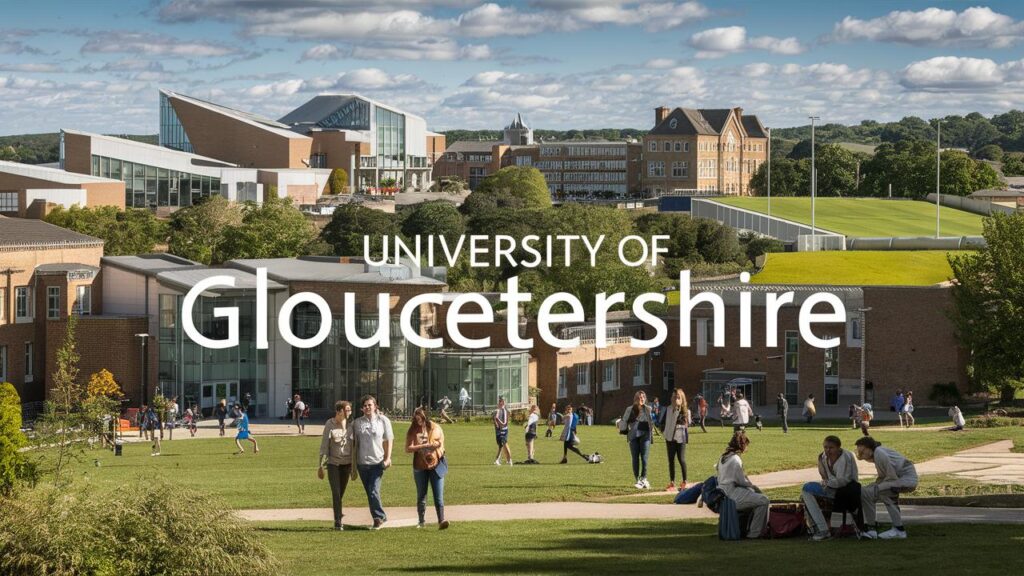
Introduction The University of Gloucestershire, with its rich history and commitment to excellence, offers an unparalleled educational experience. In today’s academic landscape, campus facilities and resources play a crucial role in shaping a student’s success and overall university experience. This blog will delve into the significance of these facilities and resources, exploring how they enhance learning, foster community, and support student well-being. Join us as we take a closer look at what makes the University of Gloucestershire a standout choice, highlighting the key aspects that contribute to an enriching and supportive academic journey. Academic Buildings and Classrooms The main emphasis on the number of facilities at the University of Gloucestershire is on education buildings, which are designed in a purposeful manner to provide the most effective conditions for successful studying. Offering academics across different campuses, these complexes consist of a multitude of structures that are separately tuned according to the needs of their client departments. For instance, the Park Campus with Regency architectural design has business, computing, and media courses offered at this campus, whereas the Oxstalls Campus in Gloucester deals with health, sports, and performing arts programs. These structures of learning are not only architectural masterpieces but are also sincopated to make access to libraries, student services, and social spaces central, hence promoting unity amongst students and professors. Most of the departments at the University of Gloucestershire today incorporate modern technologies that enable advanced learning in the classrooms. Such resources as interactive whiteboards, high-speed internet connection, and quality audio-visual resources are available in these rooms because the objective of the lectures and presentations is to engage the students effectively. Also, reserved spaces like a science lab, art class, and engineering workshop provide practical knowledge in a safe expert setting. Specialized zones are intended to meet specific needs of individual departments; each student is offered necessary equipment and materials for the successful learning in chosen subject. Libraries and Study Spaces The University of Gloucestershire has a number of teaching libraries and study facilities that are designed to meet a student’s needs. Every campus has its own library with a rich stock of books, magazines, film, and visual aids corresponding to the programs implemented. These libraries offer the following study areas in order to accommodate the different classes of learners: Soft seating zones provide a comfortable environment for individuals to work with no interruption from other people; on the other hand, group study rooms are ideal for group projects and collaborative work. Institutions that provide open access to students have achieved the opening of study areas around the clock to facilitate access at any particular time by the learners. Furthermore, the university libraries provide a multitude of computerized and online facilities and data banks. It is easy for students to get e-books, academic journals, and research articles over the internet, which implies a form of studying from a distance. The subject areas of the online databases are rather diverse, so students would have all the necessary sources to complete their assignments. In addition, libraries provide orientation and knowledge pools on First Search capability, Sabin Trust, journal title lists, and other databases to improve the learning experience of students and to act as a tool that can contribute to their success. Research Facilities Gloucestershire University has a number of committed research focus areas and institutes that propels awareness and discovery in certain fields. These facilities help undergraduates and postgraduates to make carry out research that is relevant at the university and worldwide. Therefore, the students in their undergraduate studies get to work with the best academics and be part of research projects in their fields of specialization. The possibilities for students involved in research at the university are numerous and the students have all the necessary equipment and financial support, as well as academic advisors. This strong emphasis on research does not only add value to the students’ academic portfolio but also gives credence to students as productive citizens in the academia and beyond, and in industries. Technology and Innovation Hubs The University of Gloucestershire is up-to-date with all the technology in place and thus has technologically equipped and innovation hubs on its various learning centers. These hubs are intended to promote students’ innovative thinking across the major disciplines with the spaces arranged to encourage both individual and collective inventive problem solving. There have innovation centers with updated technologies and software where students can work on the projects that may involve high-quality computing, data analysis, and virtual realism. These facilities act as idea breeding grounds in which students, fearing and faculties, as well as industrialists, congregate to rethink the best solutions. Apart from offering the students the opportunities of using high-tech equipment, the University of Gloucestershire cherishes and encourages startup momentum. The innovation hubs provide student with a number of tools which could facilitate conversion of the student inventions into commercially viable enterprises. This encompasses guidance by other experienced entrepreneurs, sources of funds for the new business and incubation centers with spaces for the start-ups. The university also organizes several workshops, seminars, and special meetings that give aspiring entrepreneurs with chances of meeting some of the professionals in the field and possible investors. Through nurturing creativity and innovation the University of Gloucestershire prepares the students for business success translating their ideas into business ventures. Sports and Fitness Facilities The University of Gloucestershire takes pride in its comprehensive sports and fitness facilities, offering a wide range of options to cater to all interests and fitness levels. The sports complex and fitness centers are equipped with modern gymnasiums, state-of-the-art fitness equipment, and dedicated spaces for various activities. For those who enjoy outdoor sports, the university provides well-maintained sports fields, tennis courts, and running tracks, along with an impressive swimming pool for aquatic activities. Students can participate in a variety of intramural sports leagues and fitness programs, fostering a sense of community and promoting a healthy, active lifestyle. Whether you are a seasoned athlete or simply looking to stay fit, the University of Gloucestershire’s
A Comprehensive Guide to Applying to University of Ulster in 2024

Introduction The University of Ulster, one of the top universities in Northern Ireland, offers a world-class education and a unique student experience. With a rich history dating back to 1865, the university has evolved into a modern institution with a strong focus on innovation, research, and employability. As the 2024 intake approaches, it’s essential for prospective students to apply early to secure their spot at this esteemed institution. With a growing number of international students, the University of Ulster offers a diverse and inclusive community that fosters academic excellence and personal growth. Applying early for the 2024 intake to the University of Ulster is significant resulting from the growing competition of intakes at this established university. The most recent UCAS stats suggest that the figure of students applying to the universities of Northern Ireland has increased by 5% in 2023; this can be further elaborated with the increase in international applications by 15%. Applying early is an added advantage because you will be assured of a place in your preferred course and move forward in applying for scholarships, housing, and visas (where relevant). Do not let this chance pass and become a part of the University of Ulster we believe that applying to the University of Ulster for the 2024 intake will be the start of an engaging study experience . Researching University of Ulster This institution is located in North Ireland and has four organizational campuses that are-Coleraine campus, Magee campus and Jordanstow campus besides Belfast campus that was discussed in the research. There is a plethora of undergraduate and postgraduate programs available; the main academic fields available are engineering, business, arts, and health sciences. The state of the art equipments available for teaching and learning at the university include; the £15 million Centre for sport and wellness and £20 million School of medicine. Besides the academic activities, the students can participate in over one hundred and diverse extra curricular activities involving sports, culture, voluntarism and special interest clubs. Currently, the university has over 150,000 students across the globe, and most of the industries within the technological, healthcare, and financial fields are popular with the products of this institution thus offering students ample employment and mentorship opportunities. Application Requirements There are set rules as to who can apply to join the University of Ulster ; these include academic backgrounds and English proficiency. The document checklist also covers Highlights of transcripts, including transcript issuance date Standardized tests results: SAT, ACT or GCSE’s Documented reference letters; Any other document The personal statement. Other documentation that may be required from the international students include the English language certificates including IELTS or TOEFL; certified translation of the qualifications. The application period also differs with programs that mostly fall between the month of January and June for undergraduate and between the month of November and August for postgraduate programs. Primarily, the candidate is required to pay an application fee of pounds 13-23 for home students and pounds 25-50 for international students. On the same, it is also pertinent to point certain conditions which will have to satisfied including the visa and immigration requirements for international students as provided on the UK Government website. The applicant should note that the requirements as well as the application deadlines differ from year to year, therefore the applicant should access the University’s website to gain the most up to date information. Tips for a Strong Application There are some points that are vital for successful Application for the University of Ulster and make it competitive. When you begin your sonnet, build an engaging introduction that captures your interests, objectives, and purposes. Obtain solid letters of recommendation from relevant scholars or employers to prove your competence and performances. For instance, you might emphasize specific clubs and organizations, personal accomplishments on the team, and the determination to succeed in the chosen area. Lastly, memorize all necessary information and study all facts that may be needed for the entrance exams, for instance, the UCAT or the MMI, if it is required in some universities. But if you focus your efforts on these key areas, you can provide the best possible application, demonstrating your potential and thus increasing the likelihood of success. Make sure you adapt your writing style to the specific context in which your application will be submitted and emphasize the aspects of your personality and experience which could be valuable in the given sphere and program. The University of Ulster offers a range of financial aid options to support students in achieving their academic goals. The university provides various scholarships and grants, such as the Vice-Chancellor’s Scholarship, the Ulster Scholarship, and the International Foundation Scholarship, worth up to £5,000 or more. Financial Aid and Scholarships To apply for financial aid, students must submit their application by the designated deadline, and complete the relevant scholarship application form. It’s essential to understand the tuition fees and living costs associated with studying at the University of Ulster, which range from £13,745 to £16,345 for undergraduate programs and £13,745 to £23,245 for postgraduate programs for international students. By exploring these financial aid options and understanding the associated costs, students can make informed decisions about their academic investment and achieve their goals without financial burden. Application Process Overall, it has been noticed that the procedure of online application to University of Ulster is quite easy and convenient. First, visit the university website and register to create an account to enable the completion of the application form, which involves inputting basic information about themselves including the academic records and course of preference. After that, provide transcripts, test scores, and other documents that demonstrate the ability to pursue a course load and attach them to an application. Follow the application until an acknowledgement is made regarding its processing and any additional documents required. When you send out your application form, ensure that you follow up actively on the particular university that has accepted you or that one that still seeks more information from you. If agreed,
Top Study Abroad Destinations for Matric Students in 2024
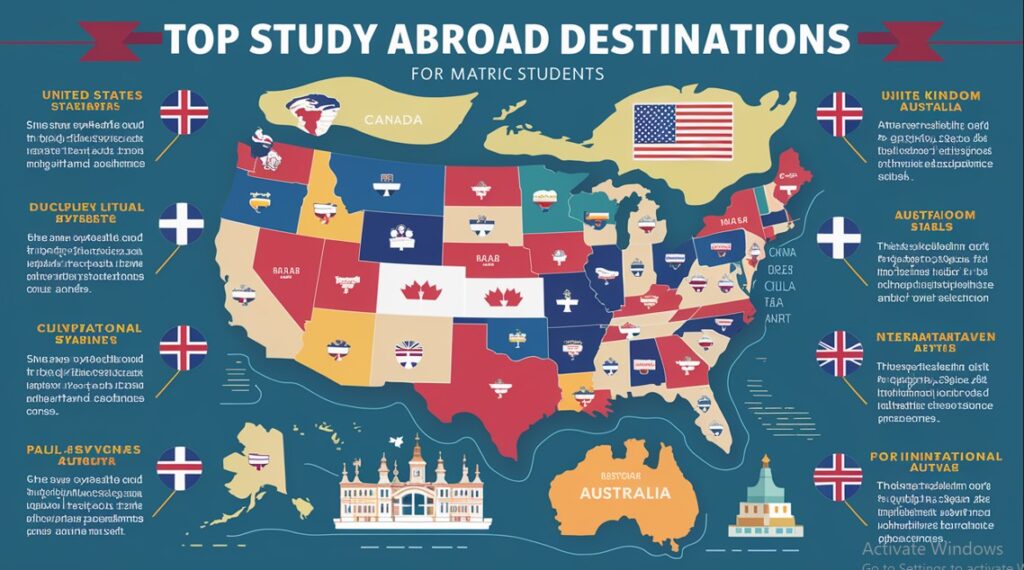
Introduction Exploring New Horizons: The Rise of Matric Students Choosing to Study Abroad As the allure of international education continues to grow, more and more matric students are seizing the opportunity to pursue their studies in foreign lands. Such trend suggests the growth of awareness of the advantages related to education abroad, the most valuable of which became the possibility to gain an expanded perspective on the world, the chance to plunge into the foreign culture, and the opportunity to improve the language skills in addition to lectures. In addition to broadening the academic experience, matric students are in fact widening their personal development as well as paving their way towards a future that is inclusive of cultural differences and global employments. Criteria for Selecting Study Abroad Destinations When selecting where to study, it depends on the consideration of some fundamental factors. First of all, the issue of match between the academic programs offered by potential universities and the students’ fields of interest and further occupation perspectives should be thoroughly discussed. Besides academic factors, compatibility in terms of cultural background becomes another critical determinant. Knowing the people’s traditions, manners, and local language when practicing stay can greatly improve the cultural share and personal development in an unfamiliar country. Also, one cannot ignore such aspects as safety in the company and the handling of large and constant amounts of data. Checking the security situation of a location and getting to know the available healthcare centers are crucial to reaching the destination without concerns. If students take time to consider these criteria, students will be more certain in their choice of the country they will study, thereby making the program more fulfilling in terms of the student’s growth. In the process of choosing a country for academic studies, financial feasibility remains one of the basic selection criteria. It also requires the determination of the cost of living, the tuition fees to be met, and the available scholarships or grants to be availed of. However, location can be said to have a crucial effect on the experience as a whole. Depending on whether the student dreams of living in the middle of a city with lights and buzzing noise or surrounded by quiet countryside, the location affects not only the lifestyle but also recreation. In addition, one should be thinking about furthering oneself personally and/or professionally. Some places might be part of internships, research, or even programs where students would want to be placed. Thus, assessing all these peculiar criteria enables students to make a wise decision, aptly corresponding to their academic goals, personal preferences, and, lastly yet importantly, their financial capacity, providing the grounds for a fruitful and life-changing study abroad experience. Study Abroad Destinations for Matric Students As the year 2024 approaches for matriculation students who wish to study internationally, several nations offer quality education, SS support services, and inter-continental culture. In Europe, towns like London, Paris, and Barcelona are still favorites because of their world-class learning institutions, vibrant cultures, and ideal western gateways and travel hubs. North America presents great choices, with New York famous for its educational facilities and interesting life and Toronto and Vancouver famous for their tolerant multicultural population and numerous students. The Asian cities of Singapore and Tokyo offer programs of the highest standards, up-to-date facilities, and a chance to be immersed in rapidly developing and progressive Asian societies. On the other hand, Sydney and Melbourne remain educational magnets with high-quality, down-to-earth lifestyles and easy access to natural beauty. These destinations not only offer students the very best academic experience but also afford an opportunity for students to make the most of their time and be exposed to different cultures, making it the best decision for matric students interested in a life-changing study abroad experience in 2024. Detailed Descriptions of Selected Destinations Exploring each of the chosen study abroad destinations equips matriculation students with enough information about what to anticipate. In London, many well-known universities and colleges, including Imperial College and the London School of Economics and Political Science, teach diverse courses in areas of business, science, and the arts for international students. The cost of living in London is relatively high compared to other cities, but there are numerous accommodation opportunities to fit the different price brackets, such as hostels, flat sharing, and apartments. Entry and residence requirements differ for students, with straightforward visa regulations accompanied by great student support from universities’ international relations offices. Students can experience multiculturalism in London while studying, visiting historical sites, trying various international foods, and enjoying artistic performances, followed by trips to other European countries during the weekends. In the same way, in Melbourne, Australia, universities like the University of Melbourne and Monash University offer quality education in areas of professional courses like medicine, engineering, and humanities, among others. Melbourne provides affordable living expenses, an average cost of living, and diverse accommodation, including university accommodation and private renting. Visa procedures are not complicated, making it easier for international students to gain access to the program without much struggle. Melbourne offers a multicultural environment to the students: they are welcome to explore the Australian sports, art festivals, and beaches, as well as enrich their study trips, creating a balanced educational experience for them. Testimonials and Success Stories Gaining insights from past matric students who have embarked on study abroad journeys provides invaluable perspectives on the transformative impact of international education. Sarah, a former student who studied in Tokyo, recounts overcoming initial language barriers to thrive academically at Waseda University. She credits her experience with broadening her worldview and fostering independence. Similarly, John, who studied in Barcelona, describes how navigating a new cultural landscape enhanced his adaptability and cross-cultural communication skills. These testimonials underscore not only the academic achievements but also the personal growth and lifelong friendships forged during their time abroad. Such success stories inspire prospective students to embrace the challenges and opportunities of studying abroad, knowing that the journey promises not only academic excellence but also profound personal development