
Top 5 Reasons to Study in Dubai Right Now

Introduction Dubai has rapidly emerged as a global educational hub, attracting students from across the world who are eager to Study in Dubai due to its modern infrastructure, world-class universities, and diverse cultural environment. Known for its strategic location and thriving economy, Dubai is increasingly becoming a prime destination for higher education, offering students unparalleled academic and career opportunities. In this blog, we will explore the top reasons why choosing to study in Dubai is a smart choice for international students, from academic excellence to exciting job prospects, making it an ideal place to launch a global career. World-Class Educational Institutions There are also many different educational facilities in Dubai: branches of such universities as the University of Birmingham, Middlesex and the American University in Dubai. These institutions provide educational programs for all levels of studies across different fields of study, enabling the students to be educated in international institutions. The certificates formed by these universities are usually accepted and acknowledged in other countries, thus helping the holders get the best jobs. However, the following must be met before realizing the desire to study in Dubai for international students. These usually comprise a passport, a credible high school diploma or an undergraduate degree, depending on the level of study, evidence of English competence in the form of IELTS or TOEFL, and every academic requirement that individual institutions may have. Certain universities may also necessitate submitting other materials like SAT scores or any other assessment test scores, an essay or a letter of recommendation. Dubai has become attractive for students worldwide thanks to its highly academic curriculum and internationally accredited degrees. Diverse and Multicultural Environment Dubai boasts a diverse and multicultural environment, attracting students from all over the world. This rich cultural diversity deeply impacts student life, offering a unique opportunity to learn, collaborate, and build friendships with peers from different nationalities, backgrounds, and perspectives. The city’s international student population creates a vibrant and inclusive campus atmosphere, where students can exchange ideas, cultures, and experiences in an enriching environment. Dubai offers a rare blend of Eastern and Western cultures, providing students with a chance to experience both traditional and modern lifestyles. From exploring historical souks to enjoying the latest in global entertainment and technology, Dubai creates an exciting and dynamic setting for international students. This multicultural mix makes the city not only a premier educational hub but also a great place to experience global diversity firsthand, making studying in Dubai a unique and unforgettable experience. Strategic Location and Global Connectivity The global reach and the nation’s position give it a strategic position in the region, making it the best place to study, not to mention the chances to work worldwide that a student expects to get after their education. Located at the junction of Europe, Asia and Africa, Dubai is the perfect starting point for most global markets and vacation destinations; thus, students find it relatively easy to travel and interact with other parts of the world. This central position illustrates that other cities worldwide are within a few hours’ flight. This presents enormous opportunities for learners who want to travel or attend international internships and networking opportunities. Dubai is well-connected with some of the largest economies in business, technology and finance, making it a great place for international students to jump-start their careers in their respective fields. Potential business opportunities, Internships, and networking events for students studying in Dubai are immense since the city is full of multinational firms’ headquarters. Safety and High Standard of Living Dubai is one of the safest cities globally, providing eat sense of security to international students and their families. Dubai also has low crime rates and well-enforced well-enforced laws and regulations, ensuring that students studying in the region are comfortable in their endeavors without fear of falling prey to criminals. Only in Dubai, students from all over the world can be assured of their safe environment while getting a friendly reception at the same time. Besides, there is a qualitative living environment in Dubai: well-developed infrastructure for students, including an effective transport system, high-quality healthcare services, as well as numerous choices of accommodation adapted to students’ needs. Living in Dubai is comfortable, from low-end student accommodation to well-realized luxury apartments. Taking advantage of their youth and staying updated with the latest trends, students can have the best leisure time in this vibrant large city provided with the top-notch amenities and club facilities that contribute to the students’ overall studying experience in this city. Job Opportunities and Career Growth Dubai’s ever-expanding economy creates a vast array of employment avenues for international students, especially in areas such as finance, information technology, tourism, and construction. Since it is one of the world’s most rapidly developing business cities, Dubai requires professional personnel all the time, making it a perfect place for studying and getting internships, part-time jobs, and employment after graduation. As a knowledge-based, innovative, and entrepreneurial city, Dubai exposes students to conditions where they can succeed, create businesses, or join key companies. Baraka added that the city’s business policies and networking opportunities in business markets generate more opportunities in the labor market. It is equally suitable for anyone wanting to work with international organizations or those interested in establishing their business ventures since Dubai provides an appropriate climate where professionals can grow and succeed in the long run. Study in Dubai Requirements However, academic, language and visa requisites are compulsory for international students to study in Dubai. To be admitted to Universities, a student must have a recognized secondary school certificate or the equivalent to high school for post-high school-higher or a university degree for post-graduate post-graduate specifications, which are rigid. In contrast, others are semi-flexible, and the major determinant is the university or the course to be pursued. Still, in general, good grades are fundamental. Language is another significant factor that must be considered while hiring employees. As most of the courses are delivered in English, learners must provide certificates of English language proficiency such
Complete Guide to Study Law in USA for International Students

Introduction Study Law in USA for International Students is a rewarding yet challenging journey, particularly for those seeking to gain a global perspective on legal systems. As home to some of the world’s top law schools and a legal system that heavily influences international practices, the U.S. remains a top destination for aspiring legal professionals. The American legal education system emphasizes critical thinking, practical skills, and a deep understanding of common law, making it a prime choice for students looking to build a versatile and impactful career. In recent years, legal education in the U.S. has undergone significant changes, with increasing support for international students, more flexible programs, and a growing acceptance of non-traditional entrance exams. This guide explores the key aspects of studying law in the U.S., highlighting why it continues to be a preferred option for students from across the globe. Understanding the U.S. Legal Education System The U.S. legal education system is deeply rooted in the common law system, which forms the basis of legal practice across the country. For international students, understanding this system is critical since it may differ significantly from their home country’s legal framework. In the U.S., legal education is primarily pursued at the graduate level, with various degrees offering different paths to practicing law and advanced legal research. Degrees Offered in Law: JD, LLM, SJD The U.S. offers several law degrees tailored to students’ academic and professional goals: Latest Updates on Law School Curricula and Trends Over the last few years, the curricula in U.S. law schools have adopted some changes and innovations to meet emerging changes in the legal market. Technological and innovative areas of law like technology law, data privacy and cyber security, and intellectual property law have been featured, showing their increased relevance in the global market. Moreover, an increased focus has been put on professional practice, whereby students are introduced to clinical programs, internships, and various moot courts to develop practical experience. Eligibility Criteria for International Students International students aspiring to study law in the U.S. must meet several eligibility requirements before applying to law programs. These criteria ensure that students are academically prepared and capable of handling the rigor of U.S. legal education. Educational Prerequisites (Undergraduate Degree and Equivalent) Most U.S. law schools require applicants to hold an undergraduate degree or its equivalent. For international students, this means completing a bachelor’s degree from a recognized institution in their home country. While many law schools do not mandate a specific field of study for this undergraduate degree, students with backgrounds in humanities, social sciences, or legal studies may find themselves better prepared for the challenges of a law program. LSAT or GRE: Entrance Exam Requirements and Latest Changes The LSAT (Law School Admission Test) is the traditional entrance exam for JD programs and is still required by most law schools. The exam tests logical reasoning, analytical skills, and reading comprehension, and plays a crucial role in law school admissions. However, in recent years, there has been a growing acceptance of the GRE (Graduate Record Examination) as an alternative to the LSAT. Some law schools now offer the option of submitting GRE scores, which may be more familiar to international students who have already taken it for other graduate programs. Discussion on the Growing Acceptance of GRE in Place of LSAT The trend of accepting the GRE in lieu of the LSAT offers international students more flexibility in the admissions process. The GRE covers a broader range of subjects, and many students may have already taken the test for other graduate programs. This change can simplify the application process and opens up opportunities for students who might feel more comfortable with the GRE format. English Proficiency Requirements (TOEFL/IELTS) Since law programs in the U.S. are conducted in English, international students must prove their English proficiency. Schools typically require scores from standardized tests like the TOEFL (Test of English as a Foreign Language) or IELTS (International English Language Testing System). Each law school sets its own minimum score requirements, so students should check the specific expectations of their desired program. Strong English skills are essential for success in a law program, as students must engage with complex legal texts and participate in discussions and debates. Legal Experience: Does It Help? While prior legal experience is not always required, it can be a valuable asset for international students applying to U.S. law programs. Experience working in legal settings, whether through internships, clerkships, or full-time employment, demonstrates a commitment to the field and provides students with practical insights into legal work. Some programs, especially LLM or specialized degrees, may favor applicants with professional experience, as it shows readiness for advanced legal study. Applying to U.S. Law Schools The application process for U.S. law schools can be complex, especially for international students. This section provides a roadmap for navigating the key steps involved, from using the Law School Admission Council (LSAC) platform to crafting strong supporting documents that make a compelling case for admission. Overview of the Application Process (LSAC: Law School Admission Council) The Law School Admission Council (LSAC) is the primary platform through which applicants submit their materials to U.S. law schools. LSAC simplifies the application process by allowing students to upload transcripts, test scores, personal statements, and letters of recommendation, which are then sent to multiple schools. It also manages Credential Assembly Services (CAS), which compiles and verifies academic documents, making it easier for international students to meet U.S. law schools’ requirements. Most schools require applicants to apply through LSAC, so registering on the platform is the first step. Tips on Writing a Strong Personal Statement The personal statement is a critical component of a U.S. law school application. It gives students the opportunity to present their personal narratives, motivations for pursuing law, and how their experiences have prepared them for a legal career. International students should highlight unique perspectives, cultural backgrounds, and how studying law in the U.S. aligns with their career goals. A strong personal statement should
Studying Abroad in France: A Guide to Education, Culture, and Beyond

Introduction Studying Abroad in France has long been a popular choice for students seeking not only world-class education but also an opportunity to immerse themselves in a rich cultural and historical experience. Known for its prestigious universities and research institutions, France provides diverse academic programs that attract students from all over the globe. Beyond academics, the country’s vibrant culture, scenic landscapes, and central location in Europe make it a unique place for students to grow both personally and professionally. Understanding the practicalities and benefits of studying in France is crucial for making an informed decision. From navigating the French education system to understanding tuition costs and student life, this guide covers everything a prospective international student needs to know. Whether you’re seeking top-tier education, global networking opportunities, or a fulfilling cultural experience, France has much to offer—and this guide will help you prepare for it. Why Study in France? Academic ExcellenceFrance has some of the best universities and institutions in the world, and educational opportunities are available for a wide selection of programs in all disciplines. Whether you’re studying engineering, business, art, or humanities, French universities are well known to be serious institutions for conducting research. So, it is an ideal place for education. Rich Cultural ExperienceLearning in France gives one an exquisite understanding and experience of French culture. During your studies, you can also visit famous landmarks, museums, galleries, and historic cities. A world tour in Europe: Exploring Paris and Provence makes one embrace the arts, history, and culinary tastes that have long defined global civilization. Geographic DiversityOne of the unique advantages of studying in France is the ability to travel across Europe with ease. With its central location, France offers excellent connectivity to neighboring countries like Germany, Spain, and Italy, allowing students to explore Europe’s diverse landscapes and cultures during their time abroad. Global Networking OpportunitiesFrance attracts students from all over the world, creating a global hub for networking and collaboration. By studying here, you will not only gain exposure to different cultures but also build valuable international connections that can enhance your career prospects and broaden your horizons. Understanding the French Education System Overview of Universities, Grandes Écoles, and Vocational ProgramsThe French education system provides plenty of opportunities for beneficial learning for foreign learners. Public universities are preferred; they offer cheap education in various fields. On the contrary, the so-called Grandes Écoles are more selective institutions providing post-higher education training in disciplines such as engineering, business administration, and civil service. Vocational programs, for instance, allow students to get direct training in a particular field and do not require patient waiting for employment opportunities. Key Differences Between Undergraduate and Postgraduate CoursesCourses in French universities are mainly three years long, with the main undergraduate degree being a Licence or Bachelor’s degree. Graduate education, therefore, entails two-year Master’s degree programmes, after which one may pursue Doctoral studies. However, there is some flexibility in the structure or teaching methodologies, with an increased focus on self-study and internships in most courses. How France’s System Supports International StudentsFrance has also gone a long way in ensuring that it hosts international students through the provision of some of its programs in English and through Scholarships. The visa issues, the accommodation, and the social and academic adaptation within the university may be supported by special university offices named International Offices. Also, France’s government offers tranprivileges sports facilities, health facilities, and cultural activities to make the students’ experience fruitful Cost of Studying in France for International Students Tuition Fees: Public vs. Private InstitutionsIn France, tuition fees vary significantly between public and private institutions. Public universities are known for their affordability, with annual fees ranging from €200 to €400 for undergraduate programs and around €300 to €500 for Master’s programs. This low cost is partly subsidized by the French government. In contrast, Grandes Écoles and private institutions have higher fees, typically ranging from €5,000 to €15,000 per year, depending on the program and institution. Living Expenses: Accommodation, Food, and TransportationLiving costs in France can vary based on location. In Paris, the cost of living is higher, with students spending approximately €1,000 to €1,500 per month on accommodation, food, and transportation. Outside Paris, costs can be lower, ranging from €700 to €1,200 per month. Accommodation options include university residences, private rentals, and shared apartments. Students can also benefit from subsidized student meals and public transport discounts. Scholarship Opportunities: Government, University, and External ScholarshipsFrance offers a range of scholarships to help international students manage costs. The French government provides scholarships through programs such as the Eiffel Excellence Scholarship, aimed at high-achieving students. Universities also offer their own scholarships, often based on academic merit or financial need. Additionally, various external organizations and foundations, such as Erasmus+ and regional grants, provide financial support to international students studying in France. Affordable Study Options: How to Budget While Living and Studying in FranceStudents can consider the following methods to control expenditures to be more economically wise. Considering staying in university residence halls or apartments with other students, by so doing, the cost of living will be considerably cut. : Further, the students should benefit from student discounts regarding their traveling by public transport and visiting other cultural programs. Part-time jobs, which international students can undertake within the periods prescribed by their student visas, can also assist in meeting some of the living costs. As seen in the preceding sections, students can make their study experience in France fun without necessarily involving a lot of cash. Student Visa and Application Process Step-by-Step Guide to Applying for a French Student VisaSome of the steps that one has to follow to apply for a French student visa include: First of all, one must receive an acceptance letter from a well-recognized French institution. This is followed by the actual visa application, which is in a form that is available on the website of the French consulate or French embassy in your home country. Set for a Visa interview, and in this, she must take along with
Why Study Abroad in Australia? Top 5 Reasons to Go

Introduction Studying abroad has become a life-changing experience for students worldwide, offering them not just academic growth but also the opportunity to explore new cultures and perspectives. In recent years, Study Abroad in Australia has emerged as one of the top choices for international students. With its high-quality education system, inclusive society, and exciting lifestyle, Australia attracts thousands of students from all corners of the globe every year. But what makes Australia stand out among other study-abroad options? Known for its globally recognized universities, rich cultural diversity, and unparalleled quality of life, Australia has built a reputation as a premier education hub. Whether you’re seeking cutting-edge research opportunities, a vibrant cultural scene, or stunning natural landscapes, Australia offers a unique blend of academic excellence and personal adventure that few other destinations can match. Reason 1: World-Class Education System Australia is an attractive education destination, famous for its surreptitious education system that allows students to study in some of the best universities recognized globally. Some key players include the Australian National University (ANU), the University of Melbourne, and the University of Sydney, where education delivery is accompanied by research with specializations in sciences, medicine, and technology. I hope these institutions equip students with friendly environments and allow them to participate in research, which will help those interested in innovation. This is the third important thing that makes the Universities in Australia magnificent: the global recognition of the universities. It is a fact that an Australian degree is highly sought after by employers and institutions worldwide, making Australian graduates preferable in the global employment market. This has yet to be managed to compromise the academic standards alongside professional performance to give the students the confidence and ability to practice their courses. Reason 2: Diverse and Inclusive Culture One of the most remarkable aspects of studying in Australia is its rich multicultural environment. With people from all over the world calling Australia home, international students can immerse themselves in diverse cultures, traditions, and languages. This cultural melting pot creates a welcoming and inclusive atmosphere where students from different backgrounds can thrive both academically and socially. Whether through festivals, community events, or daily interactions, students get to experience a truly global education that extends beyond the classroom. Australia’s universities also provide extensive support services to help international students adjust to their new environment. From mental health resources and academic counseling to career guidance and job placement services, students have access to a wide range of assistance throughout their study journey. These services ensure that students feel supported in every aspect of their academic and personal lives, making Australia not just a place to study, but a place where students can grow and succeed. Reason 3: High Quality of Life Australia is famous for its stable and high quality of people’s lives, so many international students choose this country for their studies. Veiled in first-rate Health Care centers, International standard infrastructures, and High student safety standards, students get to spend comfortable and secure lifestyles. These include Sydney, Melbourne, and Brisbane, among others, where people enjoy a clean environment, effective means of transport, and community cohesiveness. The physical well-being of students is well catered to due to the country’s policy to ensure that high living standards prevail. In addition, Australia encourages work and life balance, meaning students can always work or have fun between their study times. Flexibility in the operation is present in the majority of universities, where learners can engage in earning revenue as they attend classes. With the country being quite laid back on the social front and having some of the best natural scenery within walking distance, students can have a good balance of a full social life outside the classroom doing hiking, cultural activities, or just being at the beach. This balance makes studying in Australia very rewarding as it offers a balanced academic development and learning process, good health, and well-being. Reason 4: Post-Study Work Opportunities Australia is one of the countries that provide a good chance for employment after completing education, making it favorable for students pursuing their careers careers. There are huge benefits, including the Temporary Graduate Visa (subclass 485), which allows international students to work and remain in Australia after their studies. Students can work for up to four years depending on the degree attained, which gives them practical working experience in specialization. Apart from allowing applying knowledge gained in school practice, it offers an opportunity to have other kinds of visas in the future, such as permanent residence visas. The future-oriented economic growth of Australia and expanding markets have increased the demand for qualified graduates in various occupations, particularly in IT, health profession, and engineering. Supervisors also look for new entrants to the workforce, especially those who have developed some specific skills and have acquired work experience from internships or part-time jobs. Having realized the importance of innovation in creating new jobs, the job market in Australia has been shaped. It continues to expand to embrace various opportunities in industries that new-generation Australian university university graduates are able and willing to embrace locally and internationally. Reason 5: Travel and Adventure Owing to a degree in Australia does not mean it is all books and no play; it means being taken on an opportunity to explore some of the world’s most beautiful sceneries. From the beautiful coastline of the Gold Coast to more wild and undeveloped Australian Outback, all lovers of nature can find the area that will suit them. From?) snorkeling in the Great Barrier Reef, hiking through Blue Mountain, enjoying the sun and sand of the beach, and so much more. The fun of adventure is never-ending. Moreover, the geographic structure of Australia provides a good opportunity for people to travel around nearby territories. Students can quickly travel to neighboring countries, such as the beautiful fjords of New Zealand or the wonderful country of Indonesia, which has a rich culture and wonderful islands. Its accessibility helps students expand their horizons and enjoy the beauty
Common Mistakes to Avoid When Applying for a Study Visa in Canada

Introduction When planning to Study in Canada, securing a study visa is one of the most important steps. A Canadian study visa not only grants students legal entry into the country but also allows them to pursue academic programs at recognized institutions. However, the process can be complex, and even small mistakes can lead to delays or visa rejections. It’s crucial for applicants to be aware of common pitfalls and avoid errors that could hinder their chances of approval for a Study Visa in Canada. This blog is designed to guide prospective students through the application process and help them submit a strong, error-free application, ensuring a smooth path to studying in Canada. Failing to Meet Financial Requirements One of the most crucial aspects to consider when seeking a Canadian study visa is the financial aspect, which includes having sources of funds to cover tuition fees and other lifestyle expenditures within the territory of the expenditures. For example, immigration authorities may require evidence of tuition fees and cash for accommodation, food, and other incidental expenses for the period you intend to study. Documents of financial evidence may be a letter or bank statements that the applicant has, a scholarship, or a student loan to pay for the course. To do this, it’s necessary to provide proof that these funds are easily accessible and enough, as applications with comparatively weak and unspecific financial statements are frequently rejected. This is usually why applicants fail to meet some requirements, including failing to attach recent financial statements. For instance, providing bank statements that are less than a few months old can be questionable or may need to provide adequate evidence of the source of the funds. To do this, it will be important to ensure that the immigration documents provided to the Canadian immigration authority are updated, accurate, complete, and without any intermediate information. One should also provide a cover letter as a way of availing of circumstances that led to the compilation of the financial report or any extra brightness on any irregular revenue. Arranging and presenting all the financial papers is very important in convincing the authorities concerning your financial capacity and consequently granting you a visa. Submitting an Incomplete Application This is one of the primary causes of delays or rejection of study permit applications in Canada as a result of incomplete submission of applications. It is pertinent to note that every field in the study permit application form has its significance, and if any information is omitted, complications may arise. Every form field should be completed thoroughly and properly, including basic personal details and study options. In most cases, the applicant skips some areas associated with family history, employment records, or travel history, thinking they are minor parts of the application form. However, immigration officers want to capture the subject’s background in each answer section. To avoid canceling the application and leaving out some sections, checking the entire form before submitting it is advisable. Ensure that all the fields provided in the form are duly completed, even though some may be of little importance. Another process to follow is the checklist, where one is supposed to list all the support documentation and ensure that all the relevant documents are auto-populated as needed. Also, when there are areas that require elaboration or questions that are unanswered, it is advisable to provide an explanation in a cover letter. Last but not least, one should ask an immigration attorney or refer to the official documentation to check for any errors, thereby avoiding any hitches during the process. Not Providing a Clear Letter of Intent A well-written letter of intent, or study plan, is a crucial part of your Canadian study visa application. It provides immigration officers with a clear understanding of your purpose for studying in Canada, your educational goals, and how your chosen program aligns with your career aspirations. One common mistake is submitting a vague or poorly structured study plan that lacks detail or seems unrelated to your academic and professional background. This can raise concerns about your intentions, leading to delays or rejections. To craft a compelling letter of intent, focus on clearly explaining why you chose your specific program and institution, how it fits into your career path, and your plans after completing your studies. Highlight your academic achievements, relevant work experience, and long-term career goals. Be honest, detailed, and concise, and ensure that your study plan is aligned with the requirements of your chosen program and Canada’s immigration standards. A well-thought-out study plan not only strengthens your visa application but also shows your commitment to making the most of your education in Canada. Ignoring Language Proficiency Requirements Language proficiency is very important when it comes to Canadian study visas since it forms one of the key requirements that the applicants for the visa must meet before they are allowed to study in the country. All Canadian institutions and immigration departments demand English or French proficiency through approved tests such as IELTS, TOEFL, and CELPIP for English, TEF, or TCF for French. They normally list down their own admission score requirements, which each program or institution expects students to fulfill. Failure to meet these requirements or producing inadequate documents regarding one’s language proficiency may cause a delay in the application or rejection of the same. Some of the mistakes include submitting outdated test scores because most of the test results have a validity period of two years or not getting the minimum scores in areas such as speaking or writing. Often, applicants do not pay much attention to these scores and, therefore, may not study enough. Make sure you are aware of the minimum IELTS score that is required for the program of your choice, plan your test in advance, and because English is quite an easy language, brush up your skills through some mock IELTS, TOEFL, etc, or through some English language course if needed. For a candidate who has done a test earlier and his/her score
Step-by-Step Process for International Pharmacists to Register in the UK
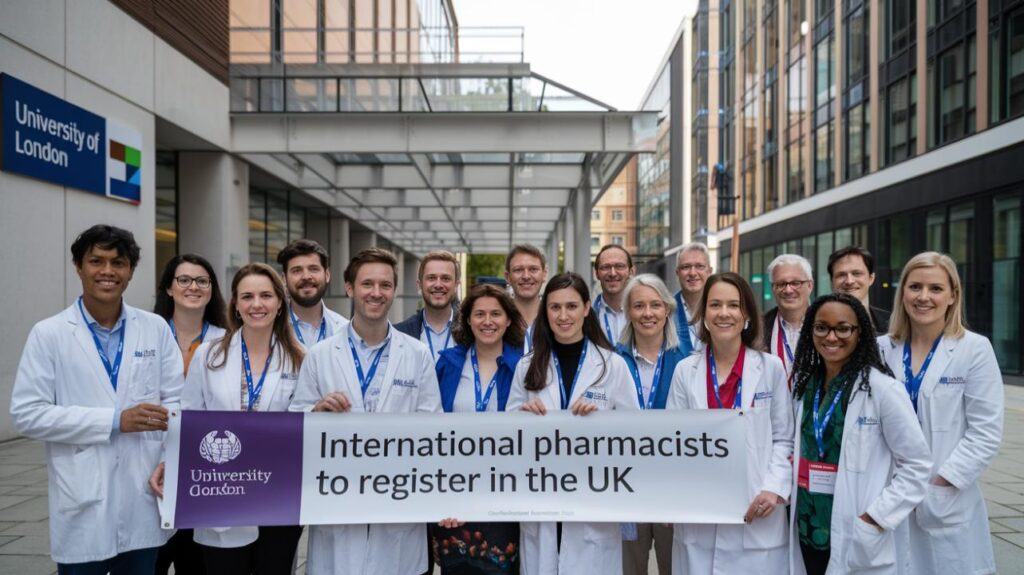
Introduction For international pharmacists, practicing in the UK offers a rewarding career path filled with opportunities, but the process can be complex. Understanding the essential steps for registration, from meeting eligibility criteria to passing the required assessments, is crucial for a smooth transition into the UK pharmacy profession. This guide will walk you through the process, ensuring you’re well-prepared to navigate the system. With the UK healthcare sector continually expanding, becoming a registered pharmacist in the UK not only enhances your professional growth but also opens doors to various roles and career advancements in a dynamic and respected field. Eligibility Criteria for International Pharmacists To register as a pharmacist in the UK, internationally qualified pharmacists must meet specific educational and professional standards set by the General Pharmaceutical Council (GPhC). Firstly, you must hold a pharmacy degree that is equivalent to a UK-recognized qualification. This ensures that your education aligns with the rigorous standards expected in the UK healthcare system. For most international applicants, this involves completing a pharmacy degree that includes at least four years of full-time study in a relevant field. Besides, academic achievements need to be supported. Language proficiency is required as well. The GPhC expects professionals who have English as their second language to demonstrate English proficiency as explained under the English language tests, namely IELTS or OET. For IELTS, a candidate must obtain a recommended minimum overall band of 7. The mean value of As is zero, and it is indispensable for As not to be less than 7. They were, in fact, zero in each component of the four, namely, listening, reading, writing, and speaking. The OET, which is more health care-oriented, has less stringent requirements and calls for a pass grade in each of the four language skills the test offers. It is important that a considerable degree of language proficiency is achieved in order to communicate adequately in the UK healthcare context. Finally, work experience is also used in the eligibility process so that only the best candidates are selected. This also means that international pharmacists shall have served prior to internship an aggregate of not less than two years or 2,800 hours in a professional pharmacy environment. It should be recorded, and it is preferred that one should be exposed to different areas of pharmacy practice, such as clinical, dispensing, and administration of medicines. A qualification in pharmacy and extensive proficiency in the use of English and a professional working experience specifically in a pharmacy practice helps to build a requirement for practicing as a pharmacist in the UK. Application Process with the General Pharmaceutical Council (GPhC) In order to practice as a registered pharmacist in the UK, international pharmacists have to apply for registration through the General Pharmaceutical Council, or GPhC. Some of the activities involved in the process include an evaluation of your bona fide credentials, among others. You are required to provide your educational documents and your work experience so the documents can be assessed to conform to UK standards. This process usually begins with the Overseas Pharmacists Assessment Programme (OSPAP), which most international applicants are required to undergo. If your qualifications are considered eligible ones, then you can go for the official registration application. The application form is then filled out and submitted online via the employers portal of the GPhC, and the applicant will be required to fill out details of education, working experience, and language proficiency. These are your pharmacy degree certificate, transcript, proof of work experience (employer’s reference), and language test certificate/result. It is required to confirm that all the documents are translated to English, if necessary, and the qualified include all the essential requirements provided by the GPhC regarding the authentication of the documents as well as their accuracy. These fees include the cost of the OSPAP, the registration assessment fee, and the application fee. According to the recent information, the cost required for the initial registration application is £106, while the registration assessment costs £687.00. Also, it is important to note that the OSPAP course fee differs with the university but costs between £11,700 and £16,218. The application processing may take a few months from the time of its submission to final registration if, due to certain complications of the applicant’s case, it requires time in OSPAP and registration assessment. You will then be able to apply for registration as a pharmacist in the UK for one to practice and start working in the UK health sector after passing the laid-down assessment tests on the submitted application. Overseas Pharmacists Assessment Programme (OSPAP) The OSPAP is essential for pharmacists who have obtained their education and qualifications outside the United Kingdom to work in the country. This course is aimed at a postgraduate diploma awarded to enable you to attain the required standards of the General Pharmaceutical Council (GPhC). Most international pharmacists who practice in the UK are forced to undertake OSPAP because their pharmacy degree was obtained in any other country that is not in the European Economic Area (EEA). Thus, they will likely need adequate knowledge of the UK pharmacy practice. Before applying for OSPAP, one must have their qualifications recognized and pre-approved by the GPhC. Once the candidate meets the eligibility criteria, they can apply for OSPAP classes offered by universities. The course usually takes one academic year and comprises subjects including UK pharmacy law, clinical pharmacy practice, and patient care. This broad-based curriculum will guide you to the next Pre-registration training, which will feature practical experience within a UK pharmacy setting. Next, after OSPAP comes pre-registration training, which takes 52 weeks in total; in this period, you will synthesize the theoretical knowledge attained and deploy it in the practical working environment under the premise of a registered pharmacist. Subsequently, one has to take the GPhC registration assessment, which is a test aimed at checking pharmacists’ competency and compliance with the GPhC ethical code and Pharmacy in preparing for recognition as a registered pharmacist in the UK. Therefore, adequate preparation and
The Ultimate Guide to Chevening Scholarship Requirements: Everything You Need to Know

Introduction The Chevening Scholarship is one of the most prestigious international scholarships, awarded to outstanding professionals from around the world to pursue a one-year master’s degree in the UK. As a gateway to world-class education, leadership development, and a global network, Chevening holds immense significance for those aspiring to make a meaningful impact in their home countries. However, with such prestige comes a very rigorous list of criteria in the selection process, and anyone who intends to apply must understand the requirements of this scholarship. This guide will provide a clear understanding of the eligibility requirements so that each candidate is ready to embrace these requirements and improve on the probability of being selected among the lucky beneficiaries of this wonderful opportunity. 1. Eligibility Criteria a. Academic Qualifications Thus, to be awarded the Chevening Scholarship, a candidate must have obtained an undergraduate degree that would permit them to join a postgraduate program in a university in the United Kingdom. There are differences in the particular academic requirements depending on the chosen course and university; however, all programs demand applicants to have, as a minimum, a 2:1 second-class degree or its equivalent in the applicant’s home country. Concerning the field of study, Chevening has no limitations, which means the candidates are free to choose a subject they want to study, knowing that this will help them become leaders in the area they are interested in. However, which course to pick depends on the broader direction that Chevening wants to take while focusing on a course closely related to your career path. b. Work Experience Among the most basic qualifications to obtain the Chevening Scholarship, one can work up to 2 years, and the work experience must total 2,800 hours. This experience can be gained through gainful employment, paid or unpaid, full-time or part-time jobs, or even internships. This allows the applicants to provide a diverse professional experience, as the qualifying work experience can be from any discipline. However, showing skills such as leadership potential, career development, or something related to the intended major should be important. It is advantageous for the applicants to demonstrate timely how they have been equipped to face the ProCHEF and Chevening-funded master’s program challenges and benefit from the opportunities therein through their work experience. c. Citizenship and Residency Note that the Chevening Scholarship is open to the citizens of over 160 countries and territories across the globe. For this scholarship, candidates have to be residents in one of the listed countries and agree to return to their home country after their studies for at least two years. This residency requirement ensures that most of the skills one acquires in their studies in the UK are taken back home to benefit the country of origin. Also, the applicant should not have had a prior grant award from the UK government for any other purpose, and if the holder of dual nationality, then not a British national except for British overseas territories or BN(O) status. 2. English Language Proficiency a. Accepted Tests and Scores To demonstrate English language proficiency, Chevening Scholarship applicants are required to submit scores from one of the accepted English tests. The most commonly accepted tests include: Applicants should verify the specific score requirements for their chosen UK university, as these may vary. b. Exemptions Certain applicants may be exempt from submitting English language test scores. Exemptions typically apply if: Applicants should consult the Chevening website or their chosen university to confirm eligibility for an exemption. c. Tips for Meeting Language Requirements Successfully meeting the language requirements is crucial for Chevening applicants. Here are some strategies to help you prepare: By preparing thoroughly and meeting the English language proficiency requirements, you’ll strengthen your Chevening application and increase your chances of success. 3. Leadership and Networking Potential a. Demonstrating Leadership Qualities One of the most important prerequisites for the Chevening Scholarship is the manifestation of leadership potential. In your application, you should demonstrate in detail how you have been a leader in your day-to-day activities. This may be from your workplace, college projects or group assignments, volunteering, or community work you may have done in the past. Enumerate situations in which you have self-initiated or assumed full command and responsibility, such as managing a team, planning a large-scale project, or promoting change in your company or society. Risk-taking—what risks were taken, and how did they measure up? Measuring and showing the difference or success is also important to prove your worth. Further, point out how your leadership skills will be utilized after your studies to benefit your home country. b. Networking Skills The Chevening Scholarship involves networking as one of the most critical factors since it seeks to establish a network of future leaders. For this reason, in your application, you should establish your competence in building and sustaining professional networks. A good way is to give instances where you have utilized networking; this could be within conferences, working environments, or society in general. Explain the practical use of networking in the professional context, such as partnerships or new learning acquisition. Explain how you plan to continue the network development after Chevening and embrace other people who can contribute to change in your sphere or region. 4. Choosing the Right Course and University a. Course Selection Criteria Choosing the right course is crucial in your Chevening Scholarship process. Your selected course must relate well with your career plans and needs to show a direct link to the leadership position you intend to take up when you return to your home country. While selecting the course, looking at how it will develop your competencies, knowledge, and expertise in a field of your career interest is essential. When choosing a master’s program, one also needs to consider your passion for the program, its duration, which is mostly one year, and the relation of the program with Chevening’s eligibility standards. Also, the course must enhance Chevening’s mission to bring change and development to your country of origin. While
Erasmus Scholarship Unveiled: Transforming Dreams into Global Opportunities
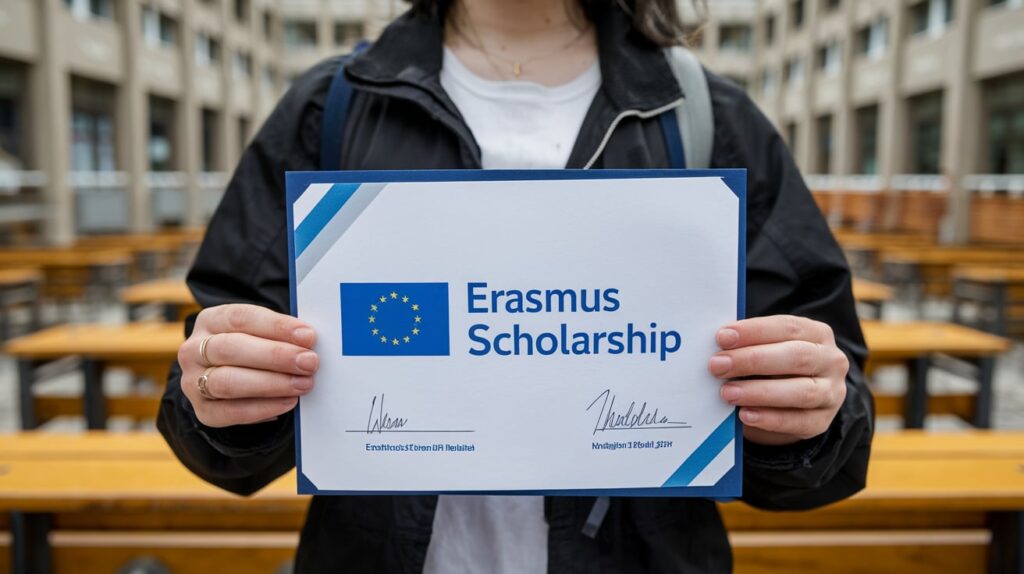
Introduction Imagine a young student from a small town in Spain, dreaming of exploring the world beyond her familiar surroundings. She’s passionate about engineering but limited by the resources and opportunities available in her hometown. Then, one day, she receives an email that changes her life forever—a confirmation that she’s been awarded the Erasmus Scholarship. This scholarship not only opens the door to studying at a prestigious university in Germany but also gives her the chance to immerse herself in a new culture, make international friends, and build a network that spans across continents. It’s essential to understand that this is the story of thousands of students every year who, through the Erasmus Scholarship, turn their dreams into a global reality. The Erasmus Scholarship goes far beyond simple monetary assistance; it is an opportunity that opens doors, frees realms of opportunities, and helps shape successful academic experiences and, eventually, successful international careers. In this blog, you will learn how this scholarship provides a push for transformation, not merely in an academic way, but in all aspects of life and paves the way for students to unlock the potential that will lead to the attainment of never thought of before, goals and dreams. What is the Erasmus Scholarship? Fully known as Erasmus, the Erasmus Scholarship Program is a part of the more extensive Erasmus+ programme, one of the European Union’s premier programs aimed at the exchange of students and academic personnel. The Erasmus program was born in 1987 as a project to allow European students to spend a study period in other European countries. Since its establishment, it has grown tremendously, and what used to be known as Erasmus has grown into Erasmus +, which encompasses students, staff and institutions globally. The program aims to improve educational and professional competencies, increase the understanding of European culture among students, and promote worldwide cooperation. Currently, Erasmus+ provides scholarships and grants in various formats for learners and professionals. Some of these are exchange programmes with students or training in another country, internships as a way of training in another country, and teaching/training development to share knowledge and experience in another country. Thus, the Erasmus Scholarship, titled ‘Experience of a Lifetime,’ helps create a wide range of these valuable experiences for the participants and enhances society’s perception of the interconnected world. Eligibility and Application Process The Erasmus Scholarship can be taken at different levels; undergraduate, postgraduate and doctoral nominees should qualify for the standard conditions of the programme they wish to undertake. The candidates must be registered in a higher education institution listed by the Erasmus + program. Undergraduate students can complete at least one year of study at their home institution as part of the scholarship requirements. Graduate and doctoral students may be needed to produce certificates of their academic performance and proposals for research or study regarding the course taken. The process of applications is much less complex, however rigid, and therefore has to be expected. First of all, the applications are submitted based on the nomination of the home institution, and second, the participant fills in an online application on the E+ portal. These papers may include an academic transcript, letter of motivation, language proficiency test and study plan/research proposal. The time varies with the program and the institution offering it. Therefore, it is recommended that one start early. To make your application unique, you should pay most of your attention to the essay. Within this essay, you should present your accomplishments in studying andragogy, your passion and interest in the chosen field, and how the Erasmus experience will be a new chapter in your life. Moreover, letters of recommendation from professors in a position to vouch for an author’s academic acumen and dynamism in the given international milieu will go a long way. Hence, it is proper to pay equal attention to all the factors and Ensure that adequate preparation is done to overcome all the odds encountered in the process of gaining this life-transforming scholarship. The Impact of the Erasmus Scholarship Dean states that the scholarship for Erasmus is not only academic but also much more meaningful, as it brings profound changes in personality, career, and how students understand the world and people. Hundreds of thousands of students have provided powerful testimony as to how the intervention of the Erasmus scheme has transformed their lives – it has opened their minds, boosted their confidence, and given them invaluable skills, such as problem-solving skills or skills in managing intercultural relations. Studying abroad makes students more independent while at the same time making them learn about different cultures and global issues, thereby making them responsible adults. Educationally, this scholarship enables students to pursue education in well-equipped and highly recognized learning institutions and exposes scholars to new learning methodologies, research and other fields of study. It also prepares them for future academic success and the job market and makes them better contenders in the global market. Most Erasmus graduates attribute the program’s acquisition to a noticeable career advantage because the training in another country and skills in dealing with other cultures is considered a plus in the marketplace. Besides, a chance to connect with other students from all over the world, as well as professors and guest speakers during the programme, helps learners build a robust network that can help them find a job or start cooperating in the future. From a cultural aspect, the Erasmus Scholarship is one of the most effective weapons for letting people of different countries understand the global culture. Students practice being exposed to other cultures and learning how to accept the differences of fashion-tolerant individuals. At the end of the process, the participants acquire the academic achievements expected from the scheme and this broad worldview and new friends from different countries that remain with them even after finishing the programme. Success Stories and Testimonials These are some of the success stories that depict the effectiveness of the Erasmus scholars and hence show the effectiveness of the
The Changing Landscape of International Applications to US Colleges: A Slower Pace
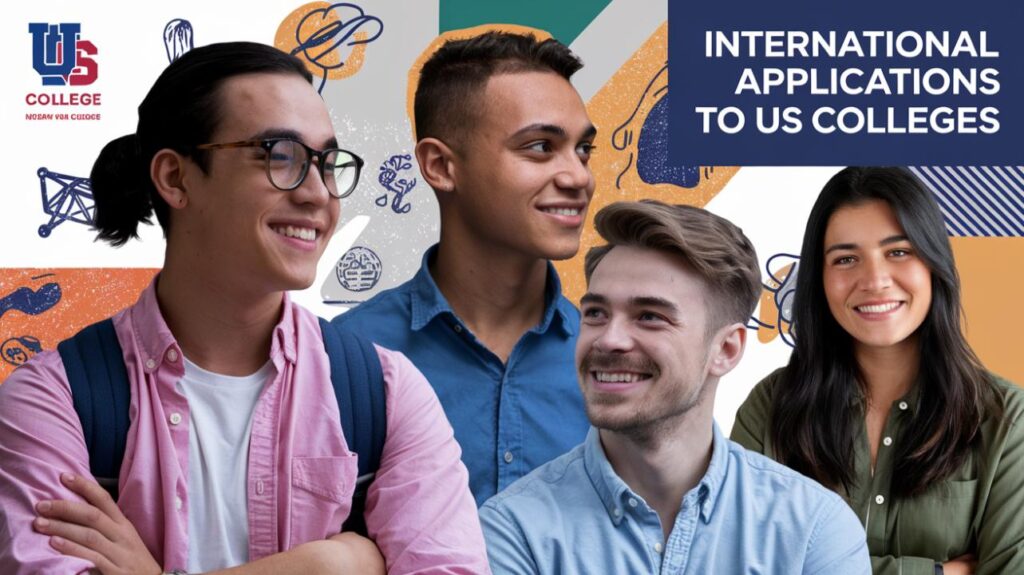
Introduction In recent years, international applications to US colleges have experienced a noticeable shift. While the number of international students pursuing higher education in the US has been growing steadily for decades, recent data indicates a slowdown in this upward trend. This contrasts sharply with the rapid growth seen in previous years, raising questions about the factors contributing to this change. Understanding these evolving trends is crucial for students, educators, and institutions alike. As global education dynamics shift, staying informed about the reasons behind the slowdown and its potential impact on the future of international education in the US becomes increasingly important. Snapshot of the Current Situation The flows of applicants currently visible in global patterns for US colleges are multistored. Thus, new data from the IIE shows that even though international students continued to apply for admission, the application growth rates decelerated during the last several years. For instance, with the enrollment of international students in the USA, for the 2022-2023 academic year, the increase in international students was a mere 4 percent, while ten years ago, the increase in the enrollment of international students was double digits. Hearthstones like China and India still dominate the number of international students in the US, but even they are changing. The flow of applications has slowed down, particularly from China, which used to be the leader of international student applications, due to concerns such as economic conditions and visa restrictions. However, India remains relatively robust, and the flow of applications has continued, especially in the IT specialization area and STEM disciplines. However, student numbers have fallen in countries like South Korea and Saudi Arabia due to many economic and political issues. As a result, the following are some reasons why this growth rate is slower in Malaysia. These have included economic uncertainty in critical countries, fluctuating exchange rates, and the long-term transition brought about by the COVID-19 pandemic, which has all contributed to reduced student mobility. Moreover, the political environment in the USA, along with its constantly shifting rules and regulations from the duration of cast studies to immigration laws or feeling of safety, has deterred some of the students. Meanwhile, other countries like Canada, Australia, and the UK have emerged as hot favorites as they are trying to provide better facilities to the students at less cost, ease in visa policies, and better job opportunities after completing the course. These trends have become very significant for institutions and prospective students in providing the correct information and direction in the current dynamic global education environment. To acquire more specific information on the current shifts in these dynamics, the IIE’s “Open Doors Report,” released yearly, and the U.S. Department of State education statistics would be helpful. Factors Influencing the Slower Pace of International Applications Some of the most critical factors that have led to this slowdown of international application to colleges in the US are detailed below. Such changes in visa requirements and the availability of work opportunities for students after graduation have made the US more or less attractive to students. This is because the bureaucracy of receiving visas has been made even tighter and less flexible, as seen through the provision of the F-1 student visa or the stiff-laced H-1B work visa. Also, the resting OPT, which enables students to get work experience after their studies, has created uncertainty for those likely to fear that they will not be able to work or stay in the US upon completing their studies. At the same time, the globalization of education options has occurred, providing stiff competition to American colleges. This has been put to advantage by several countries such as Canada, Australia, and several more European countries by encouraging immigrants, having relatively cheaper tuition fees and well-defined employment opportunities after the course’s completion. For instance, Canadian immigration policies, mainly regarding post-study work visas and its famous Post-Graduation Work Permit Program (PGWPP), make it highly popular among students searching for future jobs. Likewise, Australia’s relatively friendly policies towards international students and the availability of Graduate Work Stream visas have attracted those who would have otherwise looked forward to going to the US. Other continents also showed an increase in the number of students; Europe, for instance, offers more English-taught programs, and the fees are relatively cheaper. Uncertainty about the economy and political instabilities in America and students’ home countries makes it challenging to decide to study abroad. Recession causes financial constraints among families and unfavorable exchange rates, and these factors hinder families from financing the high cost of learning in the US. This is true as conflicts in various categories, such as politics between the US and other countries, may result in limitations in student flow. Also, the internal environment within the home country, for instance, policy barriers that may discourage the conversion of hard currency or political instabilities, are likely to constrain student’s ability to access international education. These aspects, in turn, are changing the face of education worldwide, including the choice of universities in different countries, and the way institutions will need to compete in the future. Impact on US Colleges and Universities International applications are growing much slower, posing several financial consequences, especially for US colleges and universities that depend on tuition fees charged to global learners. International students are charged higher tuition fees, which are considered a rich source of income for most universities and colleges. Over the period, the growth rate may reduce, which implies that colleges may experience a lack of funds, and this results in either offering minimal scholarships to students, an increase in the fees charged to local students, or reduced financial support to departments. This is highly likely to hurt the finances of various post-secondary institutions, particularly those that are comparatively small or have limited access to endowments and may rely upon the income generated by their increasing numbers of international students to help offset their costs. These questions show how, besides finances, the slow growth of international students also impacts campus
UK E Visa Updates: What You Need to Know

Introduction The landscape of international travel and migration is constantly evolving, driven by shifting political climates, security concerns, and technological advancements. Among the various visa categories that facilitate global movement, the UK E Visa system has become increasingly significant. Designed to streamline entry for specific purposes—such as business, investment, and educational endeavors—the E Visa provides a streamlined process for eligible individuals. As the UK continues to refine its immigration policies, staying informed about the latest updates to the E Visa system is crucial for anyone planning to travel to or invest in the UK. Importance of Staying Updated on Visa Regulations Navigating visa regulations can be complex and time-consuming. Staying updated on the latest changes is essential for several reasons: Overview of Recent Changes to UK E Visas The UK governmental authorities have unveiled essential changes to its E Visa categories, intended to reflect the country’s economic agenda and improve the calibre of candidates. A significant change is the Tier 1 (Entrepreneur) Visa, which the Innovator Visa has substituted; the former requires the endorsement of an approved body and a business plan that should prove innovative, capable of growth, and viable. In the same way, the Tier 1 (Investor) Visa has also been a bit tightened in the years; some of these changes include a rise in the minimum investment to £2 million and changes in types of acceptable investments. More so, the Exceptional Talent Visa has been upgraded to the Global Talent Visa, moving away from mere technology and targeting elite workers in fields such as arts, science or technology. Many of these changes occurred recently, and there are some transitional mechanisms for applicants who have already secured or are applying under previous visa types. The purpose of these changes, which appear to override, is to ensure that the UK attracts hard-working and talented individuals who can enrich the country’s economy, especially via activities in sectors that create value. It is, therefore, a very important step for them to try and grasp these changes so as to be in a position to plan effectively in the new dispensation that the new visas have created. Updated Eligibility Requirements for Different Types of E Visas The recent updates to the UK’s E Visas have introduced stricter eligibility requirements across different visa types, reflecting the government’s aim to attract high-caliber applicants. For the Innovator Visa, new endorsement requirements mandate that applicants secure approval from a recognized endorsing body. In addition, they must present a business plan that highlights innovation, scalability, and viability—ensuring that only truly groundbreaking ventures gain entry into the UK. The Investor Visa has also undergone changes, with the minimum investment threshold now set at £2 million. There are tighter restrictions on the types of investments allowed, with greater scrutiny to ensure that the funds are directed into legitimate, productive assets. Monitoring and compliance have also been intensified, ensuring that investments contribute to the UK economy effectively. For the Global Talent Visa, which evolved from the Exceptional Talent Visa, the eligibility criteria have been expanded to attract top professionals from diverse fields, including digital technology, arts, and sciences. Applicants must demonstrate outstanding achievements or potential in their sectors, making this visa a highly competitive option for global leaders in their respective industries. These changes are designed to ensure that the UK remains a hub for innovation, investment, and world-class talent. Impact of These Changes on Applicants The changes that have been made in the recent past to the UK E Visas mean that there are new issues of concern and possibilities open for the applicants. It has become an arduous challenge for entrepreneurs to go through the endorsement process for the Innovator Visa because to get the endorsement approved, the entrepreneurs must present a business plan meeting specific innovation criteria. This can prove to be a significant challenge, especially to those in conventional business styles or who need more ability to demonstrate their business’s viability and distinctiveness at first glance. In other words, many investors are within touching distance of welfare-reducing wealth transfers, equivalent to roughly six years of present US consumption per adult, equivalent to about 40 per cent of US GDP per capita. One of the changes in investor visa regulation is raising the minimum investment amount to £2m, which may be considered a greater investment level. Moreover, higher barriers to entry and increased oversight require investors to be more cautious about the changes in the regulation, and their operations must be compatible with the UK’s investment goals. On the other hand, the Global Talent Visa has broader possibilities for talented people in digital technology, art, and sciences, to mention a few. However, the qualifications have been rigorous, and one needs to prove they have immense talent or the ability to develop one. This makes the visa more obtainable and beneficial for people who qualify for the requirements. In any case, these updates help create new problems for the new initiates while providing opportunities for those comfortable in a new environment. Steps to Prepare for the New E Visa Requirements Research and documentation Preparing for the new UK E Visa requirements involves careful planning and attention to detail. Research and documentation are essential first steps; applicants must thoroughly understand the updated criteria for their specific visa category and ensure they gather all necessary documents. This includes business plans, financial records, and endorsements that meet the new standards. Failing to comply with the detailed requirements can lead to delays or rejection of your application. Seeking professional guidance Seeking professional guidance is also crucial in navigating the complexities of the new rules. Immigration experts and legal advisors can provide valuable insights and help ensure that your application is correctly prepared and submitted. They can also assist in addressing any specific challenges related to the endorsement process or investment regulations, which can be difficult to manage without expert knowledge. Planning ahead Lastly, planning ahead is vital to align your application with the updated requirements. This includes setting realistic timelines for