
Best University for January 2025 in the UK – Your Ultimate Guide

The January 2025 intake at UK universities offers a unique opportunity for students who missed the traditional September intake or want more time to prepare for their studies. If you’re searching for the Best university for January 2025 in the UK, this guide covers everything you need to know—from top universities offering courses to scholarships and the application process. Whether you’re an international student or a UK resident, read on to find out why the January intake could be your perfect pathway to academic success. Why Choose the January Intake in UK Universities? The January intake is becoming an increasingly popular choice for students who need flexibility or missed the September deadlines. Here are some compelling reasons to choose the January 2025 intake: Reduced Competition and Better Chances of Admission Since the January intake generally has fewer applicants than September, students face less competition, increasing their chances of securing a spot in top programs. More Time to Prepare and Strengthen Your Profile Starting in January gives students extra time to refine their applications, study for entrance exams like IELTS or TOEFL, and prepare financially and emotionally for their academic journey. Accelerate Your Graduation Timeline Students who start in January can often graduate sooner, giving them a head start in their careers while potentially saving on living costs by finishing their degree faster. Top 15 UK Universities Offering January 2025 Intake Many prestigious UK universities offer a January intake with a range of undergraduate and postgraduate programs. Here’s a list of the top 15 institutions you should consider for the January 2025 intake: Available Undergraduate and Postgraduate Courses for January 2025 Whether you’re pursuing an undergraduate or postgraduate degree, many UK universities offer a diverse range of courses during the January intake. Popular fields include: Undergraduate Programs Postgraduate Programs These programs provide a pathway to a range of career opportunities, especially in high-demand sectors such as engineering, technology, and business. Scholarships and Financial Aid for January 2025 Intake University-Specific Scholarships Most UK universities offer scholarships specifically for international students. For example, the Chevening Scholarship is one of the most prestigious awards for international students looking to study in the UK. Government Grants and Financial Aid In addition to university scholarships, students can apply for government grants and bursaries aimed at reducing tuition fees and living costs. How to Secure Financial Aid Start your scholarship search early. Visit university websites and external scholarship portals to explore available financial aid. Make sure to check for application deadlines, which may differ from university admissions. Application Timeline for January 2025 Intake Here’s a suggested timeline for your January 2025 application: Post-Graduation Career Opportunities Top Sectors Hiring Graduates from UK Universities Graduates from UK universities are highly sought after in sectors such as technology, business, healthcare, and engineering. The UK’s Graduate Route visa allows international students to stay and work for up to two years after graduation, providing invaluable career experience. University Career Services Most universities offer robust career services that help students find internships, job placements, and networking opportunities to kickstart their careers. International Student Experience – What to Expect Visa Requirements for International Students International students will need to apply for a UK Tier 4 Student Visa. Post-Brexit, EU students also require visas. Ensure that you apply as soon as you receive an unconditional offer from your university. Accommodation Options University-provided accommodation is often available for January intake students. For those looking for off-campus housing, cities like Manchester, Glasgow, and Birmingham offer affordable options compared to London, which tends to be more expensive. Support for International Students UK universities provide excellent support services, including counseling, academic advising, and student organizations to help international students adjust to life in the UK. How Brexit Impacts International Students Post-Brexit, the UK has introduced new immigration policies that affect both EU and non-EU students. Tuition fees, visa regulations, and access to financial aid may differ, so it’s essential to stay updated on the latest changes. Universities are providing support to help students navigate these new requirements. Conclusion The January 2025 intake provides a flexible and strategic option for students aiming to study in the UK. With less competition, excellent academic programs, and numerous scholarship opportunities, this intake offers a pathway to success. Begin your research early, submit your applications on time, and prepare for an exciting academic journey in the UK.
Top 5 Reasons to Study MBBS in Germany

Introduction Germany is rapidly emerging as a top destination for medical students worldwide, thanks to its combination of academic excellence and affordable education. With a growing number of international students enrolling in German medical schools, the country’s reputation for providing high-quality medical education is solidifying on the global stage. Germany offers a unique blend of cutting-edge research opportunities, practical training, and a globally recognized MBBS degree. In this guide, we’ll explore the top five reasons why study MBBS in Germany is an excellent choice for aspiring doctors looking to build a successful medical career. Section 1: High-Quality Education System World-Class Universities Germany is home to some of the world’s top medical schools, renowned for their rigorous academic standards and cutting-edge research. Universities like Heidelberg, Charité – Universitätsmedizin Berlin, and Ludwig Maximilian University of Munich are globally recognized for their medical programs. These institutions attract top faculty and researchers, ensuring that students receive high-quality education from leading experts in their fields. Graduating with an MBBS from a German university carries international prestige, giving students a competitive edge in the global job market. Modern Facilities and Technology German medical schools provide access to state-of-the-art facilities, including advanced laboratories, well-equipped hospitals, and cutting-edge research centers. Medical students have the opportunity to work with the latest medical technologies and equipment, which not only enhances their learning experience but also prepares them for real-world medical practice. These modern resources allow students to engage in hands-on training, participate in research projects, and gain exposure to medical innovations that are shaping the future of healthcare. Innovative Curriculum The curriculum in German medical schools is carefully designed to blend theoretical learning with practical training. Students are not only taught the foundational sciences like anatomy, biochemistry, and physiology but are also introduced to clinical skills early on in their education. This ensures that theoretical knowledge is consistently applied in real-life medical scenarios. Clinical rotations in hospitals form a significant part of the curriculum, offering students the opportunity to work with patients under the supervision of experienced doctors. The combination of innovative teaching methods and practical exposure equips students with the skills and knowledge necessary to excel in their medical careers. Section 2: Affordable Education Low or No Tuition Fees One of the most appealing reasons to study MBBS in Germany is the low or completely waived tuition fees at many public universities. Unlike other popular study destinations where medical education can be prohibitively expensive, Germany’s public universities offer high-quality education at little to no cost. Students typically only pay a small administrative fee each semester, making Germany an excellent option for aspiring doctors who are looking for affordable yet world-class medical training. This cost-effective education system allows students to focus on their studies without the burden of large student loans. Cost of Living While tuition fees are minimal, another benefit of studying in Germany is the relatively affordable cost of living compared to other Western countries like the United States or the United Kingdom. Students can find reasonably priced accommodations, and the cost of food, transportation, and healthcare is manageable, especially with student discounts and access to affordable public services. Additionally, many German cities offer a high quality of life, with access to cultural activities, beautiful landscapes, and modern infrastructure, making it an attractive place to live and study. Scholarships and Financial Aid For international students, there are numerous scholarships and financial aid options available to further reduce the cost of studying MBBS in Germany. Many institutions, as well as government and private organizations, offer merit-based scholarships, making medical education even more accessible. Programs such as the DAAD (German Academic Exchange Service) provide financial support specifically for international students, helping cover living costs and other expenses. With these options, students can focus on their studies and take full advantage of the opportunities available without worrying about financial barriers. Section 3: Global Recognition of German MBBS Degree Worldwide Acceptance A key advantage of pursuing an MBBS in Germany is the global recognition and respect that a German medical degree commands. Graduates from German medical universities are highly regarded in the international medical community due to the rigorous academic standards and comprehensive training they undergo. This means that a German MBBS degree opens doors not only in Europe but also in North America, Asia, the Middle East, and other regions. Medical professionals trained in Germany are seen as well-prepared, highly competent, and capable of excelling in diverse healthcare environments across the world. Opportunities for International Practice Another significant benefit of earning an MBBS in Germany is the flexibility it provides for international practice. Graduates can choose to practice medicine in Germany or other European countries due to the mutual recognition of qualifications within the European Union. Moreover, a German MBBS degree is often recognized by medical boards in countries like the U.S., Canada, Australia, and others, offering opportunities to pursue further specialization or medical residency in various parts of the world. This opens up a vast array of career possibilities for graduates, enabling them to work in international healthcare systems or return to their home countries with a prestigious and respected qualification. Accredited Programs German medical schools adhere to the highest international accreditation standards, ensuring that the education provided meets global benchmarks for quality and effectiveness. Programs are carefully regulated by both national and international accrediting bodies, guaranteeing that students receive a robust education that covers all essential medical knowledge and clinical skills. The curriculum, training facilities, and faculty are regularly evaluated to maintain compliance with these standards, making a German MBBS degree not only respected but also legally recognized in many countries for licensing and professional practice. This accreditation ensures that graduates are well-prepared to meet the demands of modern medicine, wherever they choose to practice. Section 4: Extensive Practical Experience Clinical Training Germany’s medical education system places a strong emphasis on hands-on clinical training, giving students the opportunity to apply theoretical knowledge in real-world settings. Throughout their studies, medical students undergo extensive clinical rotations in some of Germany’s
How to Choose the Right MBA Program in Dubai

Introduction Choosing the right MBA program in Dubai is a pivotal step in shaping your professional future. The MBA you select will influence your career trajectory, open doors to new opportunities, and equip you with the skills needed to succeed in today’s competitive business environment. Dubai has emerged as a global education hub, attracting students from around the world due to its thriving economy, diverse culture, and the presence of top-tier business schools. This guide aims to help you navigate the essential factors to consider when choosing the best MBA program in Dubai, ensuring that it aligns with both your career goals and personal aspirations. Section 1: Understanding Your Career Goals Short-term vs. Long-term Career Goals Every person who is going to choose an MBA program should take into account how the degree corresponds to both current and future job expectations. For short-term goals, some people want to learn new skills, switch jobs, or get promoted. For example, if you’re going to advance to the management level fast, then a program that fosters management skills will be beneficial. In the long run, you should ensure that the MBA prepares you to be as versatile in an environment that will continue to change. If you aim to be a CEO or build your organization one day, you may need a program that provides entrepreneurship training or teaches strategic planning. A sound MBA would provide you with a suitable job as laid out in your list and prepare you for successful future years. Types of MBAs There are differences in the structure and format among MBA programs; therefore, an important question is whether the selected program corresponds to one’s lifestyle or stage in life. A full-time MBA is preferable for people willing to invest one to two years just for studying, often representing early and middle career changers who want to shift to a new career direction. However, a working or Executive MBA (EMBA) should suit the candidate who continues working while undertaking this program. A part-time MBA allows you to study while continuing to work, and on the other hand, an EMBA might be designed for people with substantial managerial experience, and the content might be more orientated toward advanced leadership concepts. Online MBAs are also gaining popularity since they are designed to be most flexible for students who wish to learn from home or on their own time. Thus, knowing which MBA formats correspond with one’s career and personal requirements is important. Industry Focus Most MBA programs have concentrations that enable students to gain depth in certain fields upon completing their course. The best way to profit from this scenario is if the person involved selects a specialization that corresponds to their industry or the industry they want to enter. For instance, if you are employed in the finance industry, choosing an MBA program with relevant classes will enable you to develop high-level expertise in investment banking, corporate finance, or Fintech. Likewise, those targeting computer science as their working profession might search for programs that particularize innovation, technology adoption, and data science. For majors in healthcare, some MBAs allow the students to choose a focus in healthcare management to practice in that domain. Industry relevance is important to help you stand out in your MBA specialization area and know that what you are being taught matches your chosen profession’s current needs and requirements. Section 2: Researching Top MBA Programs in Dubai Accreditation When researching MBA programs, accreditation is one of the first and most crucial factors to consider. Accreditation acts as a quality benchmark, ensuring that the program meets global and local educational standards. In the world of business education, accreditations such as AACSB (Association to Advance Collegiate Schools of Business), EQUIS (European Quality Improvement System), and AMBA (Association of MBAs) are considered gold standards. An MBA program with these accreditations assures employers and recruiters that the degree holder has received a high-quality education. In Dubai, which attracts a diverse international student body, it’s equally important to check for local accreditations to ensure the program is recognized by the Ministry of Education in the UAE. Choosing an accredited MBA program guarantees that your investment is valued worldwide and can unlock global career opportunities. Reputation and Rankings While accreditation is about the standard a program must meet, the rankings show how MBA programs program the others on a global and a regional basis. They are Financial Times, QS World University Rankings, and The Economist, which assess programs with the standards of accreditation that include faculty quality and student satisfaction, career and salary profile, and research performance. In snippets, higher-ranking MBA programs will likely have a better alum base connection, improved career service, and more prestige to help you in employment after an MBA. However, care should be taken to avoid plunging to the extremes of just focusing on the rankings when choosing your university. Search more about those programs, find out the areas of specialization, relationship with the companies, percentage of candidates placed, and the extent to which it meets our desired goals. Approaching the problem this way, it is possible to conclude that a school that is ranked high in one or another parameter cannot be the most suitable choice from the standpoint of the goals and visions of your professional future. Dubai’s Leading Universities Dubai is home to a range of prestigious institutions offering world-class MBA programs. Among the top choices is Hult International Business School, known for its global approach, hands-on learning, and strong focus on entrepreneurship and innovation. Hult offers a highly flexible program that allows students to rotate between its various global campuses, including Dubai. Another highly regarded option is INSEAD, which consistently ranks among the world’s top MBA programs. INSEAD’s Dubai campus offers a global perspective and has strong ties with major industries in the Middle East, making it ideal for students looking to advance in international business. University of Dubai is another standout institution, offering an MBA with a focus on leadership, innovation,
Studying in Dubai After 12th: A Comprehensive Guide
Introduction Dubai has rapidly emerged as a global educational hub, attracting students from around the world with its blend of innovation, diversity, and academic excellence. For those considering Studying in Dubai after 12th grade, the city is home to a wide range of world-class universities and international campuses, offering a unique opportunity to pursue higher education in one of the most dynamic and fast-growing regions of the world. Quality education, sophisticated infrastructure, and multicultural exposure make Dubai an excellent setting for both academic and personal development. It is the gateway for continuing studies beyond 12th grade into globally accepted degrees, diverse career prospects, and unmatched cultural experience, which Dubai offers, making it the top choice for international education. Advantages of Studying in Dubai Top Universities in Dubai Popular Courses After 12th Eligibility Criteria Application Process for International Students How to Apply Applying to universities in Dubai is a straightforward process, but it requires careful attention to deadlines and documentation. The first step is to choose your preferred university and program. Most universities in Dubai have an online application portal, where you can submit your details, educational qualifications, and required documents. You’ll need to provide your 12th-grade or equivalent certificate, transcripts, a valid passport, and proof of English proficiency (IELTS/TOEFL scores) if applicable. The application timeline varies between universities, but it’s advisable to apply at least 6–12 months before the intended start date to allow enough time for processing and visa arrangements. After submitting your application, most universities will charge a non-refundable application fee, which can range from AED 200 to AED 500, depending on the institution. Once your application is reviewed, you may be called for an interview or asked to complete additional requirements based on your chosen program. Scholarship Opportunities Thus, education in Dubai is within the reach of many international students through scholarships and lower tuition at institutions that fall under this category. Scholarships fall into two categories: merit-based and need-based. Merit-based scholarships are awarded to outstanding students. They are granted to students who have obtained excellent grades or have performed very well in standardized tests such as the SAT, IELTS, or TOEFL. Middlesex University Dubai and American University in Dubai offer partial scholarships, which could reflect 50% of the tuition fees. Need-based scholarships are offered to those students who have a financial need and would require aid to pursue their education. In addition, some scholarships are available for students from specific countries or areas of the world or for students pursuing particular programs, such as engineering, business, or the arts. Most students must also submit an independent scholarship application accompanying the university application, with evidence of academic achievement and, when applicable, of financial need. Remember to check application deadlines for scholarships that are generally earlier than application deadlines. Visa and Immigration Requirements Once accepted into a Dubai university, international students must apply for a student visa, typically valid for the duration of their study program. The visa application process starts after receiving the official admission letter from the university. Universities in Dubai often assist students in securing their student visas by acting as sponsors, simplifying the process. To apply for a student visa, you will need the following documents: The visa processing time usually takes 2–4 weeks, and students are advised to apply well in advance. In some cases, students may be required to undergo a medical examination upon arrival in Dubai. The student visa can typically be renewed annually, provided the student continues to meet academic requirements and remains enrolled in their program. Cost of Studying in Dubai Tuition Fees The tuition fees depend on the institution or program for studies in Dubai and whether the institution is public or private, which sometimes affects the fees. Undergraduate programs cost between AED 37,500 and AED 70,000 annually, equivalent to around USD 10,200 and USD 19,000 annually. Specialized courses, including engineering, architecture, or business administration, are more costly, with a tuition fee between AED 60,000 and AED 100,000 per year, equivalent to around USD 16,300 and USD 27,200. Public universities are less expensive, but most international students choose private universities because of good international relations and state-of-the-art facilities. Some universities offer various flexible payment plans so that tuition may be paid in instalments. They usually give good discounts or scholarships to early payers, saving huge portions of the money spent at educational institutions. To manage your budget properly, check the fee structure of each university and the various programs well in advance. Living Expenses Living in Dubai is expensive, but with proper budgeting, students can manage it well. On average, they spend between AED 30,000 and AED 45,000 per year on living costs, which include accommodation, transport, food, and leisure. The major cost includes “accommodation.” On-campus accommodation would cost between AED 15,000 and AED 30,000 a year for a different space level, depending on the type of room and services involved. Private housing in an apartment or shared accommodation off campus will be costly, starting at AED 2,500 per month. Transportation systems such as buses and metro are relatively cheap since the monthly passes range from AED 300. Other expenses vary greatly depending on personal lifestyle, such as groceries, entertainment, and mobile bills. Student Budgeting Tips for Dubai: Part-Time Work Opportunities International students in Dubai are allowed to work part-time under certain conditions. To be eligible for part-time work, students must be studying at a university located within a free zone, such as Dubai International Academic City (DIAC). The free zone allows students to apply for a work permit, which grants them permission to take up part-time employment while continuing their studies. Popular part-time jobs for international students include retail and hospitality, customer services, and administrative support. Some popular on-campus ones include research assistants, teaching assistants, or employment in the libraries. These part-time jobs give students work experience, allowing them to balance their studies and supplementary income while keeping up with living costs. Note also that part-time work is limited to 20 hours per week while classes
Unlocking Success at the University of East Anglia: Academics, Research, and Beyond

Introduction The University of East Anglia (UEA) is a prestigious institution known for its excellence in teaching, research, and student experience. Located in the heart of Norwich, UEA consistently ranks among the top universities globally, attracting students from all over the world. Its strong academic programs, vibrant campus life, and dedication to sustainability make it a standout in the global academic landscape. Students at UEA can expect a personalized learning environment, world-class research opportunities, and the chance to thrive in a supportive, diverse community, setting them up for success in both academia and their future careers. Academic Excellence at UEA The University of East Anglia (UEA) is renowned for its academic excellence, consistently ranking among the top universities worldwide. UEA offers a wide variety of globally recognized programs, covering disciplines such as Arts, Sciences, Medicine, and Business. With a reputation for high-quality teaching and cutting-edge research, the university is a hub for students looking to excel in their chosen fields. Its emphasis on practical learning and interdisciplinary collaboration ensures that students are well-prepared for the evolving demands of the global workforce. UEA prides itself on offering a personalized learning experience, with small class sizes that foster close interactions between students and faculty. The diverse range of courses allows students to explore their interests while benefiting from UEA’s strong student support services. Whether you’re studying business, medicine, or the arts, the university’s renowned faculties and schools provide a stimulating and nurturing environment that encourages both academic growth and personal development. Cutting-Edge Research Opportunities The University of East Anglia (UEA) is the vanguard of groundbreaking research that is causing the wide range of academic subjects a new crossroads. UEA’s research involves international recognition, creating an ecosphere of research excellence in research fields such as sustainable development, health sciences, and creative industries. And, sure enough, AEi is a force to be reckoned with beyond the university gates, and it is no wonder the university’s name is known worldwide. The Norwich Research Park is a well-known research centre in Norwich that the University of East Anglia sponsored in successive years with financial support from the Biotechnology and Biological Sciences Research Council and other funding bodies. None of the university’s research is meant only for academia; connections fostered with industries and global academic institutions worldwide also benefit this research. The chain effect of these connections is that new markets are being developed because of the scientific connections and the resources of science. Degrees at BA and MA levels at UEA further provide a chance for research in various subjects and give those lucky to study under the supervision of experts an opportunity to explore competitive fields. Acquiring such credentials makes scholarships more available and also provides them with a way to create research-based careers in academics, industries or research that are much more sustainable. UEA’s Support for Career Development The University of East Anglia (UEA) places a strong emphasis on employability and career development, ensuring that students are well-prepared for life after graduation. UEA’s CareerCentral, the university’s dedicated career services hub, offers personalized support, helping students explore career options, develop essential skills, and connect with potential employers. Whether it’s through tailored career advice, workshops, or job placement assistance, UEA provides comprehensive resources to boost employability. Students benefit from a range of internships, work placements, and industry partnerships that offer hands-on experience in their chosen fields. These opportunities, combined with the university’s strong ties to top employers, allow students to build practical skills and make valuable industry connections. UEA’s alumni success stories are a testament to the effectiveness of this approach, with graduates excelling in various industries around the world. Furthermore, UEA offers global networking opportunities, helping students forge connections that can lead to international career prospects. A Vibrant Campus Life UEA’s vibrant campus life is one of its standout features, offering students a dynamic and fulfilling experience. Nestled on a stunning 320-acre parkland, the UEA campus boasts state-of-the-art facilities, including a world-class library, sports park, and modern academic buildings. Its tranquil surroundings provide an ideal environment for both study and leisure, ensuring students feel part of a close-knit academic community. With over 200 clubs and societies, UEA offers countless extracurricular activities that cater to a wide range of interests, from academic and professional clubs to sports, arts, and cultural groups. Students can immerse themselves in activities that enrich their university experience and foster new friendships. The university also prioritizes student well-being with comprehensive support services, including academic advising, mental health resources, and well-being programs. Additionally, UEA offers a variety of on-campus housing options, providing students with a comfortable, community-driven living experience that supports their academic journey. International Student Experience The University of East Anglia (UEA) is a top choice for international students, offering an inclusive and culturally diverse environment. UEA’s global reputation for academic excellence, coupled with its vibrant campus life, makes it an attractive destination for students from all over the world. The university boasts a welcoming and supportive community, where students from various backgrounds come together, enriching the overall student experience. UEA provides comprehensive support tailored to the needs of international students, from visa assistance to orientation programs that ease the transition to university life in the UK. The university offers services such as academic advising, cultural integration workshops, and social events that foster connections between local and international students. Additionally, UEA’s study abroad opportunities further enhance global exposure, allowing students to experience different cultures and educational systems, broadening their horizons for a truly international education. Sustainability and Innovation at UEA The University of East Anglia (UEA) is renowned for its commitment to sustainability and pioneering environmental research. UEA plays a pivotal role in addressing global environmental challenges through its world-class research institutes like the Tyndall Centre for Climate Change Research. These centers are at the forefront of developing sustainable solutions, influencing policies, and driving change on a global scale. The university actively integrates sustainability into its curriculum, research, and campus operations, ensuring that students and faculty contribute meaningfully to the planet’s
PhD in Malaysia: A Comprehensive Guide for International Students
Introduction Pursuing a PhD in Malaysia is becoming an increasingly attractive option for international students due to the country’s combination of high-quality education, affordable tuition, and rich cultural diversity. Malaysia’s world-class universities offer extensive research opportunities, making it an ideal destination for those looking to advance their academic careers. With a strong focus on innovation and global collaboration, PhD in Malaysia programs provide students with access to cutting-edge facilities and industry partnerships. This guide will help you navigate the key aspects of pursuing a PhD in this vibrant and growing educational hub. Why Choose Malaysia for Your PhD? Top Universities Offering PhD Programs in Malaysia University of Malaya (UM)Known as Malaysia’s premier institution, UM leads in research and innovation across multiple disciplines. UM consistently ranks among the top universities globally, with research programs spanning sciences, humanities, and social sciences. PhD students benefit from its strong research culture, well-equipped laboratories, and extensive industry collaborations. Universiti Putra Malaysia (UPM)UPM specializes in agricultural, environmental, and life sciences, making it an ideal choice for students interested in these fields. With a strong focus on research related to sustainability, food security, and environmental management, UPM offers PhD programs that are highly relevant in today’s world. Universiti Sains Malaysia (USM)USM has established itself in the field of technology and health sciences. Its research contributes to technology and other fields that affect human life, including engineering, biomedical sciences, and information technology. They have a good foundation in the technique when students get involved with PhD programs. The students of USM will go to the research centers and develop partnerships with industries for collaborations. Continuing the good reputation of having a strong research base in engineering, biomedical sciences, and information technology can be realized by bringing the USM’s vision to life. Universiti Kebangsaan Malaysia (UKM)UKM is known for its interdisciplinary research, offering PhD programs that foster collaboration across various fields. Whether your focus is social sciences, natural sciences, or engineering, UKM provides a dynamic research environment with a commitment to addressing global challenges. Multimedia University (MMU)For students interested in IT, multimedia, and digital industries, MMU stands out as a leader in these sectors. MMU’s PhD programs emphasize innovation and practical applications, preparing students for careers in cutting-edge industries like artificial intelligence, cybersecurity, and digital media. PhD Program Structure and Requirements in Malaysia PhD programs in Malaysia are designed to offer a blend of coursework and extensive research. Most programs follow a research-based structure where students focus on developing and completing an original thesis under the guidance of a supervisor. Depending on the university, some programs may also include a minimal amount of coursework to support the research component. Admission RequirementsTo be admitted into a PhD program in Malaysia, applicants must typically meet the following criteria: Full-Time vs. Part-Time PhD OptionsPhD programs in Malaysia are available on both a full-time and part-time basis. Full-time programs require a more intense commitment, often requiring students to engage in research as their primary activity, while part-time options allow working professionals to pursue their degrees at a more flexible pace. Both options typically provide the same academic rigor, but part-time programs naturally extend over a longer period. Duration of StudyThe typical duration for a full-time PhD in Malaysia is between 3 to 5 years. Part-time programs may take longer, often extending up to 6 or 7 years depending on the student’s progress. Some universities offer flexibility for early completion if research milestones are achieved sooner. This structured approach and flexible options make Malaysia an appealing destination for PhD candidates from around the world. How to Apply for a PhD in Malaysia Applying for a PhD in Malaysia involves careful planning and attention to detail. Here’s a step-by-step guide to help you through the process: 1. Step-by-Step Guide to the Application Process 2. Choosing the Right University and Program Selecting the right university for your PhD is key. Consider factors such as the university’s ranking, research output, availability of funding or scholarships, faculty expertise, and international reputation. It’s also essential to evaluate the facilities available for research, especially in fields requiring laboratories or specific resources. 3. Preparing Your Research Proposal and Finding a Supervisor The research proposal is a fundamental component of your application. Ensure that your proposal is well-structured, with clear research questions, objectives, a literature review, and a proposed methodology. Finding a supervisor is equally important, as they will guide you through your research journey. Contact faculty members in your area of interest early in the process to gauge their availability and interest in your topic. 4. Completing the Application Form and Submitting Documents Ensure that your application form is filled out correctly and that all required documents are submitted. Missing or incomplete documentation can delay or even jeopardize your application. Typical documents include: 5. Common Challenges and How to Overcome Them Scholarships and Financial Aid for PhD Students Securing financial aid is a major concern for many international PhD students. Fortunately, Malaysia offers a range of scholarships and funding options for international students, helping to alleviate the financial burden of higher education. 1. Overview of Scholarships Available to International PhD Students Malaysia provides numerous scholarship opportunities for international students pursuing PhDs, both from the government and individual universities. These scholarships can cover tuition fees, living expenses, and even research costs. International students should explore all available options to find the best fit for their academic and financial needs. 2. Key Scholarship Programs 3. Tips for Improving Your Chances of Getting Financial Aid With proper planning and strategic applications, you can secure the financial support you need to successfully pursue a PhD in Malaysia. Research Opportunities and Facilities Malaysia offers extensive research opportunities and world-class facilities for PhD students, providing the resources needed to drive innovation and academic discovery. 1. Types of Research Facilities and Resources Available to PhD Students Malaysian universities are equipped with state-of-the-art research facilities, including specialized laboratories, libraries, and innovation hubs. PhD students have access to these resources to conduct groundbreaking research in fields such as biotechnology,
Explore the Best Universities to Study in Malaysia and Boost Your Career Prospects
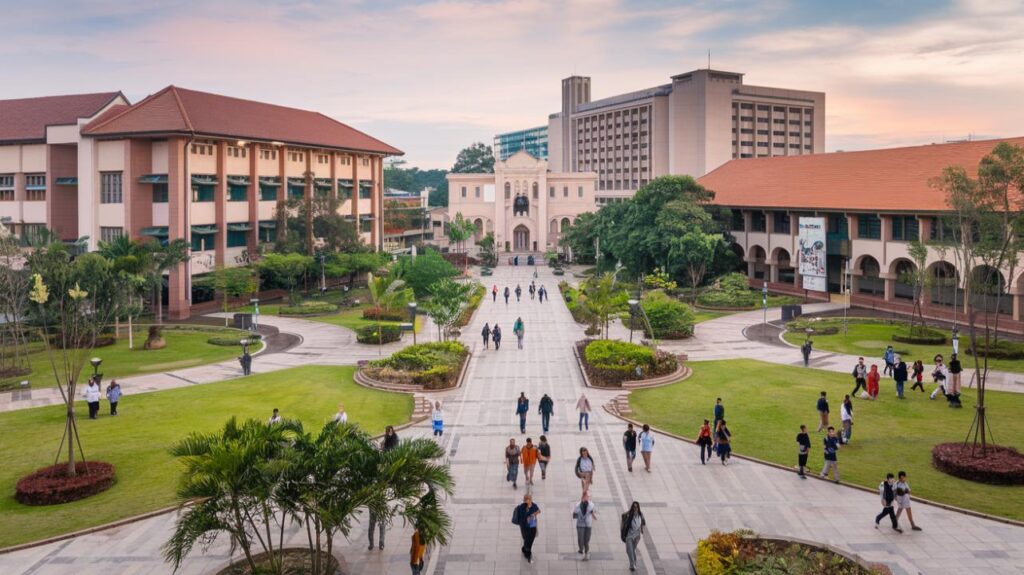
Introduction Malaysia is rapidly emerging as a global hub for higher education, attracting international students from all over the world, including Pakistan. With its Best Universities to Study in Malaysia, top-ranked institutions offer innovative programs and affordable tuition fees, creating a unique blend of academic excellence and cultural diversity. The country’s education system is gaining global recognition, making it an ideal destination for students seeking quality education with a strong focus on career development. For international students, studying in Malaysia provides not only a world-class education but also the opportunity to enhance career prospects in a competitive global market. Top Reasons to Study in Malaysia Top 5 Universities to Study in Malaysia The Role of Industry Partnerships in Career Development Malaysian universities have entered into strong ties with the lead programmers of international companies as a wise decision that promotes the students’ career opportunities by the ones that give industry-related education. When studying, many students have the opportunity to work in the practical areas of their fields, which facilitate the enrichment process of their academic career. Most universities, like Universiti Putra Malaysia (UPM) and Multimedia University (MMU), provide internship and work placement positions. Students will have opportunities to work hand-in-hand with industry leaders like Intel, Microsoft, and Shell and get some funding and scholarships. Real-world experience and the development of strong networks are the main factors that lead to higher employability among students. With Malaysian universities’ involvement, career fairs, networking events, and employers’ recruitment events are held right on campus; thus, students can even interact with potential employees after graduation. Moreover, these sponsored programs are great practical experiences and serve as platforms for students to give their insight into business trends and anticipations. In this way, graduates are found with adequate skills, which are indispensable in a job search, and it is thus that they make them highly qualified applicants in Malaysia as well as internationally. Scholarships and Financial Aid for International Students For Pakistani and other international students, the cost of studying in Malaysia could be lowered down through several official scholarships and financial support options. These slots are aimed at high-achievers from all over the world which means that they might get a good education at a cheap price without going abroad to the West that is high in costs. Malaysian Government ScholarshipsThe Malaysian government offers several scholarships specifically for international students, such as the Malaysia International Scholarship (MIS). These programs provide financial support for tuition fees, living expenses, and in some cases, airfare and health insurance. These scholarships are typically awarded to students with outstanding academic records and a demonstrated commitment to leadership and community service. University-Specific Financial Aid and GrantsMany top universities in Malaysia, such as the University of Malaya (UM) and Universiti Putra Malaysia (UPM), also offer their own financial aid packages and merit-based scholarships. These grants often cover part or all of the tuition fees and can be highly competitive. Some universities provide additional aid for research projects or international exchange programs, further enriching the student experience. How Scholarships Can HelpScholarships not only alleviate the financial burden of studying abroad but also open doors to better career prospects. By reducing the need for part-time work or loans, students can focus on their studies and pursue internships, research opportunities, or leadership roles on campus. Many scholarship recipients also gain access to exclusive networks of professionals, mentors, and alumni, which can prove invaluable when launching a career in Malaysia or globally. Post-Study Work Opportunities and Job Market in Malaysia Malaysia offers a growing job market with promising post-study work opportunities for international graduates. Its strategic location in Southeast Asia, coupled with a rapidly developing economy, makes it an attractive destination for students looking to build a career after completing their studies. Overview of Malaysia’s Job Market for GraduatesMalaysia’s job market is dynamic and diverse, with opportunities spanning various sectors. Graduates from top Malaysian universities are in demand, especially in industries such as IT, finance, engineering, healthcare, and education. As the country continues to advance its digital economy and infrastructure, the need for skilled professionals is only increasing. Industries with High Demand for Skilled ProfessionalsIn Malaysia, fields such as information technology, engineering, healthcare, and telecommunications are well-preferred fields. The government has expressed a great interest in innovation and digitization, resulting in the need for professionals versed in the current technology. Likewise, the health sector has a future due to the country improving its medical infrastructure. On the other hand, engineering faculty graduates can find many job opportunities in Malaysia’s construction, oil, gas, and manufacturing sectors. How a Degree from a Top Malaysian University Improves Job ProspectsEarning a degree from one of the famous institutions like the University of Malaya (UM) or Universiti Putra Malaysia (UPM of Malaysia) can open up your job opportunities to a great extent. LN From the viewpoint of other countries, they are well recognized as the international coalface of advanced education. Many graduates of these universities can get a career in their home country or abroad. Besides the universities, the academy has several mutual projects with the industry sector that provide students with hands-on experience during internships and job placement, which becomes a competitive edge for them in the employment market. Work Permits and Visa Options After GraduationMalaysia normally provides international students with a couple of options on how to legally live and work in Malaysia after the termination of their studies. The most widespread way is the Employment Pass, which allows interested persons to work for local companies requiring professionals in hot sectors of the country. Graduates with job offers can apply for this visa, and the duration is typically tied to the length of their employment contract. Additionally, programs like Malaysia My Second Home (MM2H) offer plenty of residency options, allowing people to live peacefully in the country. All these options give Malaysia a positive image as a leading place for the students’ post-study destinations. How Studying in Malaysia Can Boost Your Global Career Studying in Malaysia offers a unique combination
Study in Malaysia for Pakistani Students: Your Ultimate Guide to Affordable Quality Education

Introduction Dreaming of pursuing higher education abroad but worried about costs and opportunities? Study in Malaysia for Pakistani students could be your ideal solution. Known for its quality education, cultural diversity, affordable living, and tropical beauty, Malaysia is fast becoming a top choice for international students, including those from Pakistan. With globally ranked universities, diverse scholarship opportunities, and post-study work options, study in Malaysia for Pakistani students offers a well-rounded academic experience at a fraction of the cost of studying in the US or UK. This guide will walk you through everything you need to know about studying in Malaysia—from top universities to scholarships, living costs, visa processes, and post-study job opportunities. Why Choose Malaysia for Higher Studies? Malaysia offers a wealth of opportunities for international students. Here are some key reasons why Pakistani students are flocking to Malaysia: Top-Ranked Universities in Malaysia Malaysia boasts over 100 higher education institutions, several of which are highly ranked globally. Here’s a quick overview of some of the top universities: 1. University of Malaya (UM) 2. Universiti Putra Malaysia (UPM) 3. Universiti Kebangsaan Malaysia (UKM) 4. Universiti Sains Malaysia (USM) Scholarship Opportunities for Pakistani Students Financing your studies abroad can be a challenge, but Malaysia offers numerous scholarships that can help ease the financial burden. Here are some of the top scholarship opportunities for Pakistani students: 1. Malaysia Government Scholarship 2023 2. APU Merit Scholarship Program 3. Graduate Research Scholarship Program 4. Malaysia Commonwealth Scholarships Visa and Admission Process for Pakistani Students Getting a student visa for Malaysia is straightforward and can be done online. Here are the steps: Cost of Living for Pakistani Students in Malaysia One of the biggest advantages of studying in Malaysia is its affordable cost of living compared to Western countries. Here’s a breakdown of average monthly expenses: Total estimated living cost per month: $500–$800, which is significantly lower than in countries like the UK, USA, or Australia. Part-Time Work and Post-Study Job Opportunities International students are allowed to work part-time (up to 20 hours per week) during semester breaks. Typical part-time jobs include roles in the retail, hospitality, or service sectors, earning around $2 to $4 per hour. While part-time jobs can help cover living expenses, they may not be enough to cover tuition fees. After graduation, Malaysia offers multiple options for staying and working: A Rich and Diverse Cultural Experience Studying in Malaysia isn’t just about academics—it’s also about cultural immersion. You’ll be living in a multicultural society where you can experience festivals like Hari Raya, Chinese New Year, and Deepavali, taste mouth-watering halal food, and learn from a diverse group of students from all over the world. Conclusion Malaysia offers Pakistani students an unbeatable combination of affordable tuition, high-quality education, and a rich cultural experience. Whether you’re pursuing undergraduate, postgraduate, or research degrees, Malaysia provides ample opportunities for personal and academic growth. With the added bonus of scholarships, post-study work opportunities, and a low cost of living, Malaysia is the perfect destination for Pakistani students seeking a world-class education on a budget. Ready to take the next step? At Endeavours Consultants, we’re here to guide you through every step of your study abroad journey—from finding the right university to securing scholarships and student visas. Let’s make your dream of studying in Malaysia a reality!
How to Apply for MBBS in Germany: Requirements and Step-by-Step Process
Introduction Germany has emerged as a premier destination for medical education, renowned for its world-class universities, cutting-edge research, and affordable tuition fees. As one of the most sought-after countries for aspiring doctors, Germany offers international students an opportunity to gain a globally recognized MBBS degree. However, navigating the application process can be complex, especially for non-EU applicants. This guide aims to simplify the steps involved in applying for MBBS in Germany, ensuring you have a clear understanding of the requirements and the process to successfully start your medical journey. Why Study MBBS in Germany? Here are some advantages of studying MBBS in Germany that bring smiles to the faces of students: The first compelling reason is the quality of education, as German medical universities have high educational demands. All universities have all the newest facilities. Also, another factor is the relatively conservative cost of education, especially in the MBBS programs in most of its public universities, which are either free or offered at a very cheap price compared to other countries like the United States or the United Kingdom. Moreover, qualifications acquired in the country are recognized internationally, making it possible for students with these certificates to practice medicine anywhere in the world. Germany also has some of the best medical universities that offer a comprehensive and specific range of courses in medicine. These institutions educate the students with academic and experiential knowledge, which makes a student ready for the medical profession. Upon completing MBBS in Germany, the candidates have several job opportunities in Europe and worldwide. The country provides a sound healthcare system, which is very much needed since patients are always looking for qualified doctors, thus providing good employment opportunities for students who plan to practice in Germany after completing their degrees. Study in Germany Requirements for MBBS To pursue an MBBS in Germany, international students must meet specific educational qualifications. Applicants are generally required to have a high school diploma or equivalent, with a strong background in science subjects such as Biology, Chemistry, and Physics. For those coming from non-EU countries, it’s important to ensure that your qualifications are recognized by German universities, which may involve completing a preparatory course known as “Studienkolleg.” Another significant contender is knowledge of languages, as the majority of the programs in the field of Medicine are realized in German. Ordinary students require passing language proficiency exams such as TestDaF or DSH to prove their ability in German. However, for some programs taught in international or English, you must also provide an English language proficiency test through IELTS or TOEFL. In applying for admission to the university of their choice, students must provide other essential documents besides their academic and language qualifications. This includes a blocked account with the necessary financial to support you in the study period, a motivation letter stating why you want to study in Germany, your CV, and sometimes recommendation letters. The stipulation of these requirements makes candidates qualify for admission into any medical university in Germany. Choosing the Right Medical University Choosing the right medical university to do your MBBS in Germany is an essential step in one’s academic and career life. Students must compare universities according to their positions, areas of specialization, approaches to education, and infrastructures. You also ought to consider the location of the learning institution, the price charged for tuition fees, and the services available to facilitate learning for international students. Germany has an excellent educational background in medical colleges like Heidelberg University, Charité – Universitätsmedizin Berlin, and Ludwig Maximilian University of Munich with excellent medical curriculum. Furthermore, all German medical degrees are recognized internationally, and you will graduate with a degree that will be recognized all over the world. Application Process: Step-by-Step Guide Navigating the application process for MBBS in Germany requires careful planning and attention to detail. Here’s a step-by-step guide to help you through: German Student Visa for MBBS Students When applying to study MBBS in Germany, securing a student visa is a critical step. Here’s the latest information on the requirements and processes for obtaining your German student visa: Scholarships and Financial Aid Germany offers a variety of scholarships and financial aid opportunities for international students pursuing an MBBS degree. Here’s an overview of what’s available: Life as a Medical Student in Germany After Graduation: Career and Residency Options Conclusion In summary, applying for MBBS in Germany involves a detailed process that requires careful planning and preparation. From meeting educational qualifications and language proficiency requirements to navigating the university application system and securing a student visa, each step plays a crucial role in ensuring a smooth transition into Germany’s prestigious medical programs. By understanding the timeline, preparing necessary documents, and staying aware of key deadlines, you can set yourself up for success. Germany is one of the best choices for candidates interested in studying the medical field because of its easy admission process, low cost of study, and better employment prospects. The German medical degrees are recognized globally, coupled with updated equipment and research work; they give students flavors of a successful professional medical career. From this, creating a practical application as early as possible increases the hopes of acceptance. The basic concepts are clear: an early start with either language preparations or university research will decrease stress and achieve better results. Students must get professional assistance in this process, which education consultants could offer to help make the entire process of studying in Germany as challenging as possible.
How to Apply to Study in Germany: A Simple Guide

Introduction Germany has become one of the most sought-after destinations for international students, known for its world-class universities, affordable education, and vibrant cultural scene. With a strong focus on research and innovation, Germany offers endless opportunities for students to thrive academically and professionally. However, navigating the application process can be challenging for those unfamiliar with the system. This guide aims to simplify the steps required to apply to Study in Germany, providing clear insights and practical tips to help international students successfully secure their place at a German university. Why Study in Germany? According to the cost of tuition fees, where most of them are charged either for free or an affordable price, Germany is seen to be the preferred destination by international students. It is cheap as most of them are public universities with minimal or no added costs in terms of tuition fees, which does not affect the quality of education in any way. Germany enjoys a prestigious reputation for education, and its universities are very famous around the world, teaching nearly every subject that one can imagine with a focus on fields such as engineering, sciences, and business, to name but a few. Most of them are research-based institutions, meaning that the student will have the ability to work in the best innovative research environments that enhance learning. Apart from academics, Germany provides a rich life experience to learners who wish to study in Germany. It is a country with a lot of history, with having favorable conditions for learning, as well as having all the modern facilities necessary for the students and a very active social life. Apart from exposure to culture, the economy of Germany, especially in the industrial sector, has a lot to offer. Whether it is internships, part-time work, or after-graduation employment, students get an opportunity to acquire employment experience and networks that will improve their employment chances later on. Study in Germany Requirements Academic requirements differ based on the level of program for those to study in Germany. There are a few things to know, so see the page for an introduction to the above. To study for a Bachelor’s degree, international students require a high school certificate or any other certificate that is acceptable in Germany. Master’s programs are normally taken after an undergraduate degree, and a Master’s degree is usually needed when applying for a Ph.D. Extra care has to be taken to ensure that you meet the German university standards, which can be ascertained from DAAD or by going through the guidelines of the specific university. Another factor that must be considered in the quest for the right candidate is their fluency in language. Where the program is taught in German, the students are required to take and pass language proficiency tests such as TestDaF or DSH. For the English-taught programs, it is necessary to provide the IELTS or TOEFL score as to one of the university’s requirements. Further, the visa is another issue, where students have to prove their financial capacity to support them during their studies. Normally it is expected that students have a minimum sum of money available to them, which is kept in the blocked account, to cater for their living expenses while studying in Germany. Researching Universities and Programs The decision about which university and study program to attend in Germany is very important for international learners. This implies that students should follow their education objectives while matching with various university forte. German has some of the most highly reputed universities, such as The Technical University of Munich, Heidelberg University, and Ludwig Maximilian University of Munich, to name but a few, that offer diverse courses within areas of engineering, sciences, humanity, and business, among others. If you decide to go with a university, you should research its ranking, the programs it offers, and whether it provides programs taught in English if you are not fluent in the German language. Also, all programs may possess certain requirements and time constraints that need to be considered. Here, it is important to pay much attention to the course-specific requirements, beginning with the academic qualifications, working experience, or research portfolio for postgraduate programs. Specific timeframes for applying differ depending on the particular university and the specific program of study and maybe months before the start of the program. On the same note, such details help you complete an application fully and within the required time. Application Process for German Universities Applying to German universities involves a straightforward but detailed process. Many universities use the Uni-Assist platform, which helps international students manage their applications. However, some universities allow students to apply directly. Here’s a step-by-step guide to help you navigate the process: Application Deadlines: Deadlines vary by university and program, but typically, applications for the winter semester are due between May and July, and for the summer semester, between December and January. Be sure to check specific deadlines for each program to avoid missing them. Tips for a Successful Application: Double-check all details, personalize your motivation letter to reflect your passion for the program, and ensure that all your documents meet the format and content requirements of the university. Submitting early can also improve your chances of success. Getting Accepted: What to Do Next Once you’ve received an admission offer from a German university, it’s essential to respond promptly and complete a few key steps to prepare for your new life as a student in Germany: Student Visa Application To study in Germany, most non-EU international students will need to apply for a student visa. Here’s a detailed guide to help you navigate the process: Scholarships and Funding Options When studying in Germany, international students have access to various scholarships and funding opportunities that can help ease the financial burden. Here’s an overview of key options: Study in Germany Requirements for International Students: A Checklist Before applying to study in Germany, it’s crucial to ensure that you meet the necessary academic, language, and financial requirements. Here’s a comprehensive