
Top Courses to Study in the UK That Get You Hired

Introduction The United Kingdom has long been celebrated as a global leader in higher education, attracting students from around the world to its esteemed universities and diverse programs. For students seeking not only a world-class education but also strong job prospects post-graduation, choosing a course with high employability potential has become crucial. With the evolving demands of today’s job market, many UK universities have tailored their courses to ensure graduates are well-prepared for dynamic career opportunities. This article explores some of the top courses in the UK that offer strong pathways to employment, helping students make informed choices for a future brimming with professional success. Why Study in the UK? World-Class Education and Recognized Qualifications The United Kingdom of Great Britain has some of the best University standards globally; these universities are famous for their competitive academic and research services. It is essential to highlight that British universities take significant positions on the lists with such universities as Oxford, Cambridge, and Imperial College London. EU Degree from any UK Institution is well accepted in all fields and Helps the Graduates of the UK to face the competitive markets worldwide. In addition, many of the qualifications awarded in the UK are recognized worldwide, making it easier for students who want to work internationally to get placed; besides, the courses offered combine theoretical and practical aspects. Industry Connections and Real-World Experience A significant advantage of studying in the UK is the close collaboration between universities and industries. Many UK institutions have established partnerships with leading companies, creating a pathway for students to gain hands-on experience through internships, work placements, and collaborative projects. Fields like business, engineering, and technology often incorporate industry-led modules, allowing students to develop real-world skills and networking opportunities. These connections also give students a practical understanding of their chosen fields, making them attractive candidates to future employers who value graduates with practical experience alongside academic achievements. High Graduate Employability Rates Graduates from UK universities enjoy high employability rates, a testament to the strength of UK education and its alignment with industry needs. According to data from HESA (Higher Education Statistics Agency), the majority of UK graduates find employment or continue with further studies within six months of graduation. This high employability rate is a key factor that draws international students to the UK, as it reflects the strong job market opportunities available to those with UK qualifications. International students, in particular, benefit from the reputation of a UK degree, as many employers worldwide recognize the rigorous standards and diverse skill sets acquired through UK higher education. This makes studying in the UK an excellent choice for those looking to launch a successful career on an international stage. Top Factors That Make a Course “Employable” Industry-Relevant Curriculum One of the core elements that makes a UK course highly employable is an industry-relevant curriculum. UK universities frequently update their programs to match the latest trends, technologies, and demands within specific industries. This forward-thinking approach ensures that students graduate with skills directly applicable to their field, from finance and healthcare to technology and environmental science. Courses are often developed in consultation with industry experts, meaning the curriculum is tailored to equip students with knowledge and skills employers are actively seeking. This practical alignment with industry standards is invaluable in today’s job market, where companies prioritize graduates who can make an immediate impact. Practical Experience Opportunities Hands-on experience is highly valued by employers, and UK universities place a strong emphasis on practical training to help students develop these critical skills. Many degree programs incorporate internships, year-long placements, or practical projects as part of the course structure. For example, in fields like engineering, healthcare, and media, students can work directly in their chosen sector, gaining real-world experience that boosts their confidence and employability. These experiences also allow students to apply their theoretical knowledge in a practical context, build professional networks, and even secure job offers prior to graduation. Accreditation and Professional Recognition Courses that hold professional accreditations are particularly attractive to students aiming for careers in competitive industries. Accreditation by recognized bodies such as the Chartered Management Institute (CMI) for business courses, or the Institution of Engineering and Technology (IET) for engineering programs, signals that a course meets industry standards and equips students with essential competencies. Accredited programs also often lead to recognized qualifications, professional memberships, or certifications that can enhance a graduate’s CV, making them stand out to employers. These endorsements from professional bodies add an extra layer of credibility, demonstrating to potential employers that graduates are well-prepared and ready to excel in their chosen fields. Top Fields of Study in the UK with High Employability Rates Engineering and Technology Engineering and technology are some of the most popular courses in the United Kingdom; graduates in this field can always find employment. Disciplines such as mechanical engineering, civil engineering, electrical engineering, software engineering, etc, offer many openings in numerous specific sectors such as construction, power, automation, aviation, etc. The UK has first-rate institutions that provide program specializations in engineering – Imperial College London and the University of Cambridge, for example – and conduct research and technical support in proportion to their ranking. These programs are popular, and their graduates are attractive in the UK and the global market, positioning themselves with technological expertise and creativity in problem-solving, with various projects and placements based on the industries. Business and Management Conducting business and management studies is preferred among students because the knowledge is relevent in most organizations. It just so happens that business programs often get in the list of the best schools, which include London Business School, Warwick University and Manchester University; all these universities and schools offer some of the best business courses in finance, marketing, business analytics, and entrepreneurship. Such programs are responsive to conditions of a globalized economy, incorporating cases, internships and corporate environments. Thus, graduates with business and management degrees are in high demand to work for companies as they prefer employing candidates with backgrounds in finance, consulting
How to Study in Finland for Free: The Complete Guide for International Students
Finland has become a highly sought-after destination for international students, and it’s not hard to see why. With its commitment to high-quality education, a strong emphasis on research and innovation, and opportunities to study for free, Finland offers a unique blend of advantages for students around the world. Whether you’re an EU or non-EU student, studying in Finland for free is more achievable than you might think. In this guide, we’ll cover all you need to know about tuition-free options, scholarships, and living cost management to make your study dreams in Finland a reality. Can You Really Study in Finland for Free? Yes, studying in Finland for free is possible! The Finnish government ensures free education for students from EU/EEA countries and Switzerland, which means these students don’t have to pay tuition fees for Bachelor’s or Master’s programs. For non-EU students, the situation is a bit different: they are required to pay tuition fees for English-taught Bachelor’s and Master’s programs. However, there are still several ways for non-EU students to study in Finland for free: Tuition-Free Opportunities for International Students in Finland Programs Exempt from Tuition Fees Non-EU students can study tuition-free if they choose programs taught in Finnish or Swedish, as these are offered without fees to all international students. Additionally, some exchange and research programs offer tuition-free education, allowing students to gain international experience without paying for tuition. PhD Studies In Finland, PhD programs are almost always tuition-free, making them an attractive option for international students aiming for advanced research degrees. PhD students may also receive stipends or research funding, easing their financial burden even further. Special Circumstances for Tuition Waivers Non-EU students who hold permanent or fixed-term residence permits, as well as those with an EU Blue Card, are eligible for tuition-free studies in Finland. It’s essential to verify these requirements through official channels, as specific conditions apply. Scholarships and Financial Aid for Non-EU Students For non-EU students pursuing English-taught programs, scholarships and financial aid can make studying in Finland affordable or even tuition-free. Most universities in Finland offer scholarships based on academic merit. Here are some of the main scholarship options: University-Specific Scholarships Almost every Finnish university has scholarship programs for international students. Some scholarships offer full tuition waivers, while others may cover 50–80% of tuition fees. When applying, make sure to check each university’s scholarship options and deadlines. Government Scholarships The EDUFI Fellowship is a prominent government-funded scholarship for international students, especially those at the doctoral level. This fellowship provides funding to cover tuition and living expenses, easing financial barriers for advanced studies. External Scholarships Several private foundations and international organizations offer scholarships for students in Finland. These awards may be granted based on field of study, nationality, or academic excellence, providing further support for non-EU students. Application Tips for Scholarships To increase your chances of securing a scholarship, maintain high academic performance, prepare a strong personal statement, and apply early. Many scholarships have limited availability, so it’s wise to apply as soon as the application period opens. Universities in Finland That Offer Tuition-Free Education For EU/EEA students, the following universities offer tuition-free education: Additionally, universities such as Aalto University, LUT University, and the University of Eastern Finland have strong scholarship programs, making them attractive choices for non-EU students aiming to reduce tuition costs. Living Costs in Finland for International Students Living costs vary across Finland, with Helsinki being the most expensive city. On average, students need between €700 and €1,300 per month for rent, food, transportation, and personal expenses. Here’s a breakdown of essential costs: Accommodation Renting a room in a shared apartment or university dorm is the most affordable option, costing €300–€700 per month. Private rentals can be more expensive, particularly in major cities. Food and Groceries Food costs average around €150–€300 per month. Students can save by cooking at home and shopping at budget-friendly stores like Lidl and K-Market. Transportation A monthly student transportation pass in cities like Helsinki costs around €35, offering discounted access to buses, trams, and trains. Tips for Reducing Living Costs Opting for student housing, using discount grocery stores, and taking advantage of free university events can help manage expenses. Many universities also have on-campus dining options that are cheaper than restaurants. Part-Time Work Opportunities for Students International students are allowed to work part-time, up to 25 hours per week during the academic year, and full-time during holidays. Here are some common part-time job options: Besides helping with expenses, part-time jobs offer valuable work experience, language practice, and networking opportunities. How to Apply to Study in Finland for Free Applying to Finnish universities is straightforward, but each program has its specific requirements. Here’s a general application guide: It’s essential to carefully review each university’s admissions page for specific instructions and deadlines. Advantages of Studying in Finland Beyond Free Education In addition to affordability, Finland offers a student-centered approach to education, prioritizing interactive learning and research opportunities. With access to cutting-edge resources and a commitment to personal development, Finland is ideal for students seeking hands-on experience. Access to the European Job Market Finland’s membership in the EU gives international graduates access to job opportunities across Europe. Many Finnish universities have partnerships with industries, supporting internships and career placement for graduates. Real Student Experiences: Studying in Finland for Free Many international students have enjoyed their time studying in Finland. For instance, Shohidur, an engineering student from Bangladesh, shares how university-provided scholarships covered his tuition, allowing him to experience Finnish education without financial stress. Judit, a Master’s student from Hungary, highlights the support services that helped her adapt to life in Finland. Frequently Asked Questions (FAQs) Conclusion Finland’s approach to affordable education and quality academic offerings make it an
Top UK Universities for Your Degree: Which One’s Right for You?
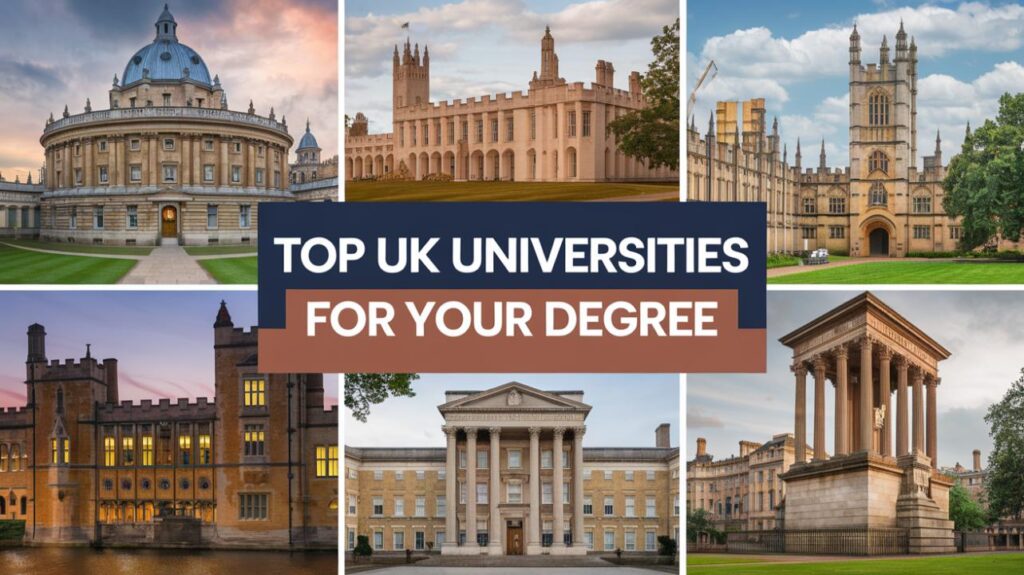
Introduction Choosing the right university is one of the most important decisions you’ll make in your academic journey, especially in a globally renowned education hub like the UK. With its prestigious universities, rich cultural diversity, and a variety of specialized programs, the UK offers incredible options for students seeking quality education and career opportunities. However, with so many top-ranked institutions, selecting the one that best aligns with your academic goals, interests, and lifestyle can feel overwhelming. This guide explores the Top UK Universities for various degrees, breaking down what makes each one unique to help you find the perfect fit for your ambitions and needs. Whether you’re looking to study in a bustling city or a historic campus town, we’ll help you narrow down the options and make a confident choice for your future. Rank Name Teaching Quality (%) Student Experience (%) Entry standards (UCAS points) 1 London School of Economics and Political Science 75 73 182 2 University of St Andrews 84 81 208 3 University of Oxford N/A N/A 200 4 University of Cambridge N/A N/A 206 5 Durham University 75 71 183 6 Imperial College London 75 77 200 7 University College London (UCL) 74 74 179 8 University of Bath 77 80 172 9 University of Warwick 77 75 172 10 Loughborough University 76 79 155 Top UK Universities for Your Degree: Standout Features and Reputation Conclusion Choosing the right university is a pivotal step in shaping your academic and professional future, and the UK’s top institutions offer exceptional education, resources, and global opportunities. Each university has unique strengths, from the research-driven environments of Oxford and Cambridge to the industry-focused programs at Imperial and LSE. Whether you seek a close-knit community, access to world-leading faculty, or vibrant city life, there’s a university in the UK that’s perfectly suited to your goals. As you make your decision, consider factors like program reputation, campus culture, location, and support services. Remember that your university experience is about more than academics; it’s about discovering your potential, building a network, and preparing for a fulfilling career. By exploring these top UK universities, you’re one step closer to finding the ideal place to pursue your degree and make your mark in the world.
The Cost of Living While Studying for a PhD in Finland

Introduction Finland has become a sought-after destination for international PhD students, renowned for its high-quality education, cutting-edge research facilities, and inclusive academic environment. Known for its emphasis on innovation and sustainability, Finland provides a welcoming and supportive setting for students pursuing advanced studies. However, understanding the cost of living in Finland is crucial before making the move, as expenses can vary depending on location, lifestyle, and funding options. Finland’s safe and well-organized cities offer a high standard of living, but planning for accommodation, daily expenses, and student essentials is essential to ensure a smooth transition into this vibrant Nordic country. Tuition Fees and Financial Support for PhD Students Another important aspect of studying in Finland to get a PhD is the policy on fees for doctorate students in Finland. Many universities in Finland do not charge for PhD courses; this applies regardless of whether the student is an EU citizen or not, making Finland a good destination for advanced studies. This policy allows students to concentrate on their studies and research with the leverage of not paying high fees compared to most nations. Nonetheless, some of them prefer free tuition, so they have to pay for other costs, such as living expenses, which are too expensive. The good news is that Finland provides several opportunities for funding for PhD candidates. Students receive their funds or scholarships from their universities or through national scholarships such as the EDUFI Fellowship – for talented foreign researchers. Furthermore, PhD students can request research grants, often general research grants, but can include specific research projects or travel grants for conferences and research fields. University grants are also offered mainly to students based on academic excellence, research potential, and needs. Additional sources of funds extend prospects for external financial support. Today, many Finnish foundations and research organizations offer scholarships and funds to international students. Several students may also receive partial funding from private organizations, especially in computer sciences, natural and environmental science, and engineering. The aforementioned financial aid facilities enable one to have an optimal time in their PhD studies and make the most of their research in Finland. Accommodation Costs for PhD Students in Finland Accommodation is one of the primary expenses for PhD students in Finland, with costs varying by city and housing type. In major cities like Helsinki, monthly rent for a one-bedroom apartment ranges from €700 to €1,250, while smaller cities like Tampere or Turku offer slightly lower rates. Many students opt for shared apartments or university housing, which can be more affordable, typically around €400 to €700 per month. To secure accommodation, it’s essential to start early, as student housing is competitive, especially in larger cities. Student housing organizations like HOAS in Helsinki provide reasonably priced rooms designed specifically for students, making them a popular choice. Food and Grocery Expenses in Finland Food costs can be significant in Finland, with students typically budgeting between €200 and €350 per month for groceries. Prices for staples vary; for example, bread costs around €2.50, milk about €1 per liter, and fresh produce tends to be pricier due to Finland’s climate. To manage expenses, students can shop at budget-friendly grocery chains like Lidl or K-Supermarket. Cooking at home is often more economical than dining out, as restaurant meals can range from €10 to €20 for a simple dish. Many universities also offer affordable student cafeterias, where meals are subsidized, costing around €2.50 to €5, making them a convenient and budget-friendly option. Transportation Costs for Students Finland’s well-developed public transportation system makes it easy and efficient for students to navigate cities and travel between regions. In urban areas like Helsinki, Tampere, and Turku, public transportation options include buses, trams, and trains, all of which offer discounted rates for students. For example, in Helsinki, a monthly transportation pass for students costs around €35, while in other cities, it may range from €25 to €40. This discounted rate is particularly helpful for students on a budget, allowing them to move freely without needing a car, which can be expensive due to fuel and insurance costs. For students living close to campus, biking is an affordable and popular alternative. Many Finnish cities have dedicated cycling paths, making it safe and convenient to commute by bike. Investing in a used bicycle can cost anywhere from €50 to €150, a one-time expense that pays off over time. For those in more rural or suburban areas, regional trains are reliable and offer discount cards that help reduce costs further, especially for longer commutes. Some students also opt for seasonal transport passes, which provide flexibility during the colder months when biking may be less feasible. Trains and buses in Finland are relatively cheap and local; thus, clients can travel around Finland while exploring affordable means of transport. Using VR, a railway company in Finland, students can afford weekend trips and excursions to quite distant places using intercity buses. This flexibility enables the learner to appreciate Finland’s culture and natural kal scenery without necessarily spending a lot of money on travel, and on top of that, students get to fully utilize various forms of student-friendly transportation. Healthcare Expenses for International Students Healthcare in Finland is accessible and high-quality. EU students can use a European Health Insurance Card (EHIC) for reduced costs, while non-EU students need private insurance, typically costing €300–€600 per year. This insurance covers essential medical expenses and meets residency permit requirements. PhD students can also access the Finnish Student Health Service (FSHS) by paying a semester fee of about €70, which covers general health, mental health, and dental services at reduced rates. This combination of private insurance and FSHS provides affordable healthcare for international students. Study Materials and Research-Related Costs Some of the costs that a PhD student in Finland may incur include purchasing study and research materials, although most are available for a token or free. Many textbooks and academic journals are available mainly from University libraries, and students, in many cases, enjoy open access to several databases, reducing the
The Most Affordable Colleges in America for 2025

The rising cost of college education in the United States has become a significant concern for students and families. Finding the most affordable colleges in America can help alleviate the financial burden of higher education. In 2025, a variety of institutions offer quality education at lower costs, making it possible to earn a degree without accumulating excessive debt. This guide provides a comprehensive look at the most affordable colleges in the U.S., offering insights on how to choose the right school for your budget and academic goals. Why College Affordability Matters in 2025 With tuition rates continuing to climb, college affordability is a crucial factor for many students. The average student loan debt in the U.S. exceeds $30,000, and many graduates struggle to pay off their loans, impacting their financial well-being. By choosing affordable colleges, students can reduce the amount they need to borrow, leading to lower debt and a more financially stable future. Affordable colleges allow students to focus on their education and career development without the constant stress of financial strain. What Makes a College Affordable? Several factors contribute to a college’s affordability, including: When evaluating the most affordable colleges in America, it’s essential to consider these factors in addition to the quality of education and student support services. How We Selected the Most Affordable Colleges in America To identify the most affordable colleges for 2025, we considered several criteria, including: We used data from sources such as the Integrated Postsecondary Education Data System (IPEDS) and the College Scorecard to ensure accuracy in our selections. Top 10 Most Affordable Colleges in America for 2025 Here are some of the most affordable colleges in America for 2025, offering excellent value for students: Affordable Colleges with the Best Return on Investment (ROI) While affordability is crucial, it’s also important to consider the return on investment (ROI) of a college degree. Colleges with the best ROI typically offer strong career services, high graduation rates, and graduates who earn competitive salaries. Some affordable colleges known for their high ROI include: Community Colleges: An Affordable Alternative for 2025 Community colleges are often overlooked but provide a highly affordable pathway to a degree. Starting at a community college can significantly reduce the cost of a bachelor’s degree, as students can complete their general education requirements at a lower cost before transferring to a four-year university. Some of the top community colleges for 2025 include: Online Colleges Offering Affordable Tuition in 2025 Online education can be a cost-effective way to earn a degree, with many accredited institutions offering online programs at lower costs. The flexibility of online learning allows students to save on expenses such as housing and transportation. Some affordable online colleges to consider for 2025 include: Scholarships and Financial Aid to Help Cover Costs Scholarships and financial aid can make a significant difference in college affordability. Here are some types of financial aid to consider: Comparing In-State vs. Out-of-State Tuition for Affordable Colleges In-state tuition is often much lower than out-of-state tuition, making public universities an affordable option for residents. However, some colleges offer discounted rates for out-of-state students or have programs that allow students to establish residency. Consider these options: Affordable Colleges by Region: Finding the Best Option Near You College affordability varies by region, with some areas offering more affordable education options than others. Here’s a breakdown of affordable colleges in different regions:
Step-by-Step Guide to Applying for Australian Scholarships for Pakistani Students in 2025
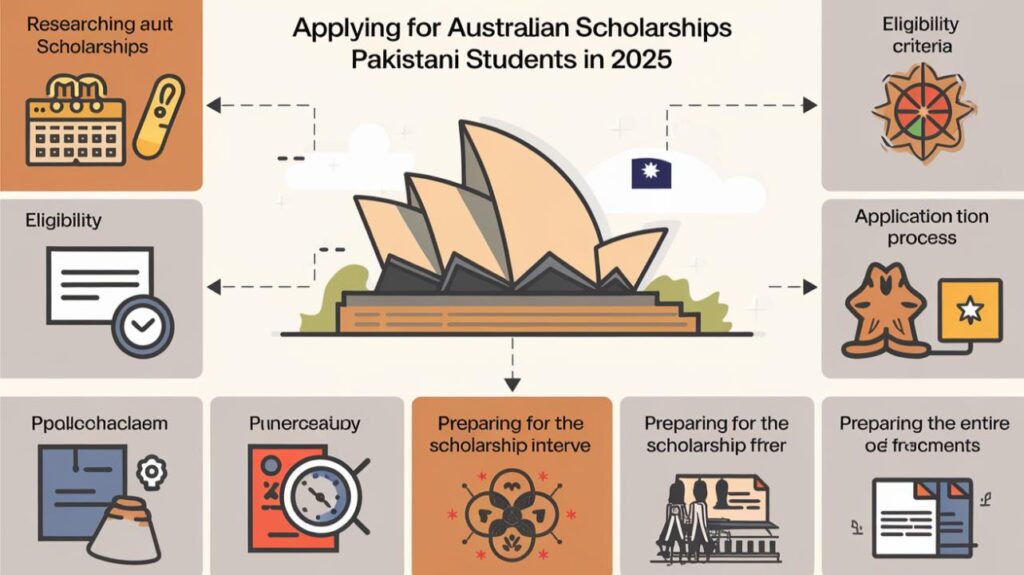
Studying in Australia offers an excellent opportunity for Pakistani students to receive a world-class education, experience cultural diversity, and enhance their career prospects. However, the cost of studying abroad can be a significant barrier for many students. Fortunately, there are numerous Australian scholarships for Pakistani students available in 2025, which can help cover tuition fees, living expenses, and other study-related costs. This guide will walk you through each step of the scholarship application process, making it easier to achieve your dream of studying in Australia. Why Choose Australia for Higher Education? Australia, with its many fantastic universities, has been widely recognized as one of the most popular academic destinations in the world. Education for Pakistani students is quality education that welcomes international students to attend their universities. The country’s multicultural nature and multicultural student-centric policies make the country favorable for learning. Moreover, stable economic conditions and diverse vacancies contribute significantly to the Australian state, thus achieving the students’ goal of climbing the career ladder after graduation. Types of Australian Scholarships Available for Pakistani Students in 2025 In 2025, Pakistani students have a wide range of scholarship options to choose from, including: Eligibility Criteria for Australian Scholarships Each scholarship program has specific eligibility criteria, but common requirements include: Step 1 – Research Available Scholarships The first step is to conduct thorough research on the scholarships available for Pakistani students in Australia. Start by visiting government websites such as Study in Australia and university scholarship pages. Make sure to review the scholarship details, including the coverage (tuition fees, living expenses, etc.), fields of study supported, and application deadlines. Creating a list of suitable scholarships can help you stay organized during the application process. Step 2 – Preparing the Required Documents Most scholarship applications will require a range of documents, including: Ensure these documents are well-prepared and meet the specific requirements of each scholarship program. For the personal statement, focus on your goals, achievements, and reasons for choosing Australia. Step 3 – Meeting English Language Requirements English proficiency is a common requirement for Australian scholarships for international students. Accepted tests include IELTS, TOEFL, and PTE, with each scholarship setting its own minimum score. Preparing for these exams requires time, so start early by practicing through official preparation materials, online courses, or local language centers. Achieving a high score can improve your chances of being awarded a scholarship. Step 4 – Application Process for Australian Scholarships Each scholarship may have a different application process, but most involve submitting your documents through an online portal. Follow these steps to complete your application: Step 5 – Preparing for the Interview (if required) Some scholarships may require an interview as part of the selection process. Here’s how to prepare: Common Mistakes to Avoid When Applying for Scholarships To improve your chances of success, avoid these common mistakes: Tips for Increasing Your Chances of Securing a Scholarship Here are some tips to help you stand out among applicants: Alternative Pathways If You Don’t Get a Scholarship If you don’t secure a scholarship, there are still other ways to study in Australia: Success Stories: Pakistani Students Who Won Scholarships to Study in Australia Most Pakistani students have secured scholarships for study in Australia, and it’s relevant. For instance, Ali Ahmed got an Australia Awards Scholarship to study for a Master’s in Environmental Science. He attributed this to his preparation, the recommendation letters he provided, and an excellent personal statement, which included his commitment to the cause of sustainable development. Such cases like Ali’s demonstrate that Pakistani students can study in Australia, given the proper strategy. Important Deadlines and Timelines for 2025 Scholarship Applications Mark these key dates for the 2025 Australian scholarships: Plan ahead and start the application process at least six months before the deadlines to ensure all requirements are met. Conclusion Applying for Australian scholarships for Pakistani students in 2025 can open the door to world-class education and a brighter future. By following this step-by-step guide, you can navigate the application process confidently and maximize your chances of success. Remember, the earlier you start, the better prepared you’ll be. Don’t let financial barriers hold you
Free ESOL Courses in London: What You Need to Know
Introduction English for Speakers of Other Languages (ESOL) courses are designed to help non-native speakers improve their English language skills, making it easier to navigate life in English-speaking countries. In London, where diverse communities from all over the world come together, learning English is especially important for integration, accessing public services, and securing employment. ESOL courses offer structured programs that cater to different proficiency levels, from complete beginners to more advanced learners, ensuring that every learner can find the right starting point. For those facing financial constraints, many organizations and institutions across London provide free ESOL courses, making language learning accessible to everyone. These courses not only help individuals communicate more effectively but also empower them to participate more fully in society and pursue better career opportunities. What Are ESOL Courses? ESOL courses are tailored to meet the needs of individuals who use English as an additional language, focusing on practical skills that enhance everyday communication. These programs are structured to address different language proficiencies, with beginner courses introducing basic vocabulary and common phrases, while higher levels delve into more complex grammar and conversation skills. The course content often includes real-life scenarios such as navigating public transportation, accessing healthcare, or engaging in workplace discussions, making it highly relevant for those living in English-speaking environments. This practical approach helps learners gain confidence and independence in various aspects of life, from social interactions to handling official matters. What sets ESOL apart is its accessibility and adaptability, as classes are often available during flexible hours and at numerous community centers, colleges, and online platforms across London. Many institutions offer ESOL courses at no cost, funded by government initiatives or local charities, to ensure that language barriers do not hinder individuals’ ability to participate in society. For people who may be facing financial challenges or have other commitments such as childcare, free ESOL programs can provide a valuable opportunity to improve their language skills without added pressure. By making language education widely accessible, these courses play a crucial role in promoting social inclusion and expanding career prospects for non-native English speakers in London. Why ESOL Courses Are Important in London In a multicultural city like London, ESOL courses play a crucial role in helping non-native English speakers integrate into the local community. With more than 300 languages spoken in the city, learning English becomes essential for newcomers to communicate effectively in daily life. ESOL courses enable learners to better understand local customs, access essential services such as healthcare, and build meaningful relationships with neighbors and colleagues. This language proficiency can greatly enhance the quality of life for individuals and their families by breaking down communication barriers that can otherwise lead to social isolation. Moreover, improving English skills through ESOL courses significantly boosts employability and career prospects. Many employers in London prioritize candidates who can speak English fluently, as it is the primary language of business and professional communication. For those looking to enter the workforce or advance in their careers, ESOL provides the foundation needed to perform well in job interviews, understand workplace instructions, and engage in team discussions. By equipping learners with the language skills required for various job sectors, ESOL courses not only help individuals secure employment but also open doors to further education and specialized training opportunities. Who Can Take Free ESOL Courses in London? Free ESOL courses in London are designed to be accessible to a wide range of individuals who need help improving their English skills. Typically, these courses are available to adults who are residents of the UK and whose first language is not English. Eligibility criteria can vary depending on the provider, but generally, individuals aged 19 or older are welcome to apply. Some programs may prioritize specific groups, such as refugees, asylum seekers, or those receiving certain government benefits, ensuring that people who may face greater barriers to language learning are supported. In some cases, course availability may also be influenced by a person’s immigration status, with specific requirements for those on certain visas or residency conditions. However, many organizations work to make ESOL accessible to as many learners as possible, regardless of background. While some programs may require a basic initial assessment to determine the most suitable course level, most free ESOL courses cater to different skill levels, from complete beginners to those who already possess some English proficiency but wish to improve further. This inclusivity helps ensure that everyone has an opportunity to learn, grow, and participate more fully in London’s diverse society. Where to Find Free ESOL Courses in London Many organizations and institutions in London provide free ESOL courses; there is a list of them to choose from. Local colleges are even more popular since many colleges offer free ESOL classes paid for by government grants for adults hoping to enhance their English language ability. These colleges usually offer programs at different levels, which will help the students develop programs that suit their education level. Further, many community centers in the city offer free ESOL courses as they present applicable programs for the community; it is easy for the learner to locate a center near their house. Community charities and other nonprofit organizations also contribute to delivering free ESOL classes for such target audiences as refugees, asylum seekers, or low-income families. Organizations such as the British Red Cross, Refugee Action, and the Migrant Resource Centre usually provide the classes to clients in cooperation with the local councils. Another modality is online learning platforms; some providers offer freethatline digital ESOL courses that learners can enroll in whenever they wish. The most beneficial use of cells here is flexibility, which is highly suitable for parents with childcare responsibilities or any other engagement that can make flexible learning of English from home possible. Types of Free ESOL Courses Available Free ESOL courses in London cater to various learning needs, offering a range of course types to suit different goals and schedules. The most common option is general ESOL courses, which focus on improving overall
The Benefits of Studying Abroad at Heriot-Watt University
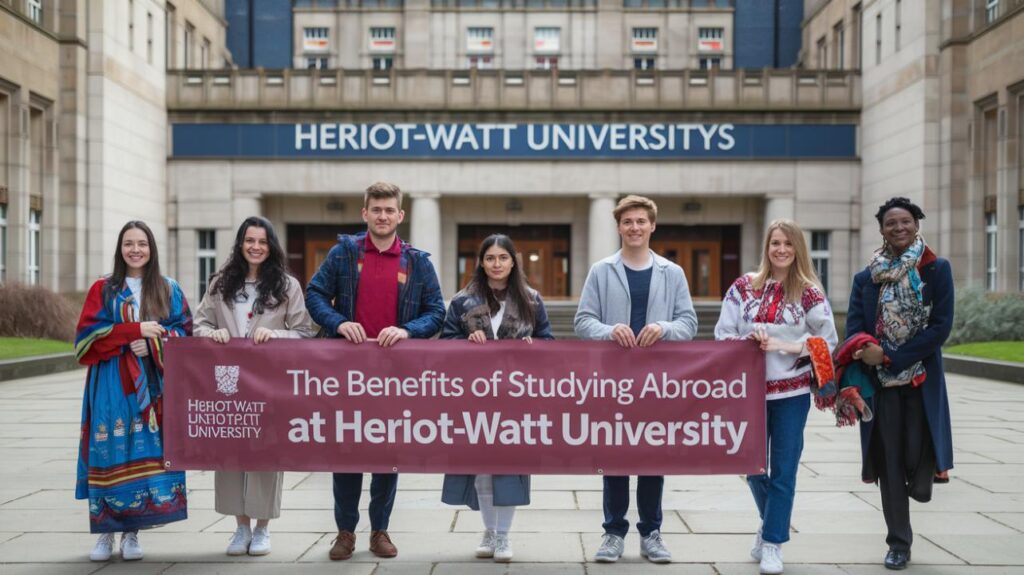
Introduction Studying abroad at Heriot-Watt University is a unique opportunity to gain a world-class education while experiencing life in a new culture. With its rich history, renowned academic programs, and international campuses in Edinburgh, Dubai, and Malaysia, Heriot-Watt offers a dynamic learning environment that caters to students from all over the world. The university’s commitment to academic excellence and its strong industry connections make it an ideal choice for those seeking to enhance their career prospects while immersing themselves in a global educational experience. Why Choose Heriot-Watt University? Heriot-Watt University, founded in 1821, is one of the UK’s oldest higher education institutions. It has a long-standing reputation for academic excellence and innovation. Named after Scottish engineer James Watt and philanthropist George Heriot, the University has built a strong foundation in engineering, business, and the sciences. Its rich history and commitment to practical education have made it a leader in delivering programs that equip students with the skills needed to thrive in their careers. With a consistently high ranking among the top universities worldwide, Heriot-Watt is known for its high-quality teaching and impactful research. It is especially renowned in engineering, architecture, business, and computer science, where it ranks highly for undergraduate and postgraduate programs. The University’s focus on providing a rigorous, employability-driven education attracts international students who seek a prestigious academic experience. Heriot-Watt University offers a diverse range of specialized programs and courses tailored to meet the needs of international students. The University’s curriculum is designed to reflect industry demands and foster global competence, from engineering and information technology to fashion and finance. Many of these programs offer flexible learning options, allowing students to switch between campuses or combine on-campus and online studies for a more customized educational journey. The University’s international presence extends beyond its main campus in Edinburgh. Heriot-Watt also operates state-of-the-art campuses in Dubai and Malaysia, allowing students to study in different cultural and geographical settings. These campuses maintain the same high academic standards, offering a consistent learning experience regardless of location. The international campus network allows for unique opportunities, such as the chance to start a program in Dubai and finish it in Edinburgh, enhancing students’ global exposure and adaptability. Academic Programs and Quality of Education Heriot-Watt University is famous for its wide variety of academic disciplines, which meet the demands of international students’ various interests and career goals. Masters Programmes These programs of study are available in engineering, business, architecture, science- especially computer science- and arts, where the University focuses on the mastery of content knowledge and skills. The programs are developed with the help of practitioners to help the students update themselves with the latest trends in the global environment and employment opportunities, thus enabling the students to solve pragmatic problems. The quality of education at Heriot-Watt is best seen through their tutors’ teaching methods and academic qualifications. Some of the most prominent academics serve as educators; most lecturers and professors currently teaching are practitioners who engage in research and teaching to carry out the latest developments in the field directly into the classroom. The University is focused on practical learning through project assignments, laboratory, and fieldwork to allow the students to practice what has been taught in the school. This focus means that students gain a deeper understanding of their specialties and develop problem-solving skills, which are valuable in the fast-paced world. Furthermore, the Heriot-Watt University careers portfolio is more comprehensive than the training and placement of students within the classroom. This University lists diverse internship programs, industry attachments, and research propositions that link learners with diverse organizations across the globe. Students also benefit from industry linkages with hw that enable them to canvass ideas and projects on innovations. To complement the training it provides, Heriot-Watt Career Services prepares its graduates for the labor market through services that guide how to seek a job, expose them to networking opportunities, and have training in developing skills that can be marketable in the market. The flexibility to study across different campuses is another unique feature of Heriot-Watt’s academic offering. With the main campus in Edinburgh and international campuses in Dubai and Malaysia, students can experience different cultural environments while continuing the same program of study. This cross-campus mobility provides students with a global perspective, allowing them to adapt to diverse work cultures and expand their professional network across multiple regions. Whether choosing to start a program in Edinburgh and continue it in Dubai, or taking advantage of transfer options between campuses, students enjoy a truly international education experience at Heriot-Watt University. The International Student Experience Heriot-Watt University has specifically ensured that changing to study in another country is as easy as possible for students from other countries. Admission policies at the University have been made very flexible to suit different groups of students. Application details, visa processes, and financing opportunities are well explained for all international students before enrolling at Heriot-Watt University. Newly joining students are welcomed with bell-to-bell orientation programs that familiarize the learners with academic, social, and cultural life within universities, thus minimizing their adjustment period. Community life at Heriot-Watt University is opportune, diverse, and multicultural since the University hosts students from over 150 different countries. The University ensures that it supports students in ways other than academics, and this can be evidenced by the many societies, groups, and activities on campus. First of all, students like games and other activities associated with sports, art, cultures, and societies; there is always an event or something going on to keep each of the students busy outside infernal. This active student life fosters the formation of long-lasting friendships and ensures that a good network is formed. Besides academic and social activities, international students at Heriot-Watt have numerous support services available. These are language assistance, academic counseling, and tutors who address all matters relating to adjustment to life in a new country. In cases where the student is discouraged due to issues such as homesickness or challenges adjusting to a new culture, the University will give
Top Courses to Study at Leeds Trinity University in 2024
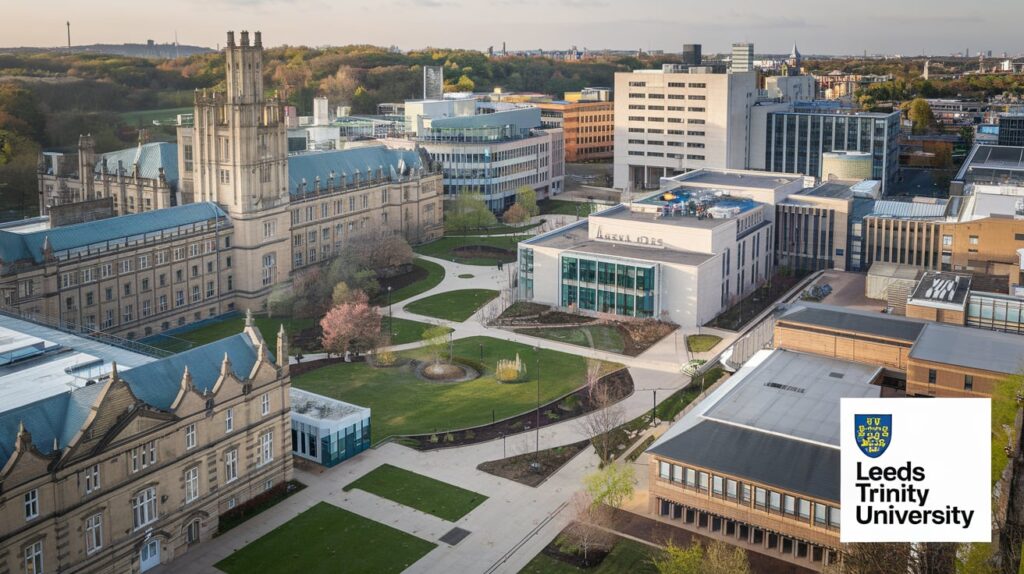
Introduction Study at Leeds Trinity University has established itself as a top choice for students seeking quality education in the UK, known for its supportive learning environment, strong industry connections, and a wide range of courses tailored to today’s job market. As we look ahead to 2024, the university continues to attract students from around the world, thanks to its commitment to teaching excellence and employability-focused programs. Choosing the right course at Leeds Trinity can significantly impact career growth, providing students with the skills, experience, and opportunities needed to thrive in their chosen fields. Why Choose Leeds Trinity University? Leeds Trinity University is one of the best institutes to study in the United Kingdom due to its quality teaching and high percentage rate of employment for its students. Being a private institution, the University teaches individuals based on one-on-one correspondence. It embraces small classrooms that ensure that students have individual chances for conversation with the faculty, and hence help for the student’s whole academic period. The core values of practical learning developed at Leeds Trinity mean that the students acquire not only academic knowledge but also valuable skills for finding and getting a job, which makes it attractive to those who want to advance in their careers. The institution has a good reputation for offering quality education, thus attracting many local and international students to achieve a good base toward their employment goals. In addition to the teaching curriculum, Leeds Trinity University has social activities for students to increase their diversity. The University offers more facilities, such as a modern classroom, a library with a rich collection of books and journals, and modern sports facilities to create a good study and play environment. The student support services are sound; the institutions assist with academic issues and learning disabilities, mental health issues, and career services for every student majoring in the field. A compact campus setting provides a suitable environment for one to have company and form strong bonds to fulfill their University life. Another crucial area that sets Leeds Trinity apart is the opportunity provided by solid connections with numerous industries in the country that will offer students valuable placements. The University has links with several organizations and industries, including placement and internships in the media, journalism, and business education sectors. These real-world experiences not only help build students’ practical knowledge but also help them get a job once they finish their course. Consequently, being a University turned towards vocational practice, students’ successes are essential for Leeds Trinity and its ambition to prepare adepts for a job. Factors to Consider When Choosing a Course at Leeds Trinity University Another point of choosing a course at Leeds Trinity University is that the course selected requires one to align their career and academic goals with interest. Choosing a program that interests you and aligns with your career goals will positively impact your level of self-motivation and result in better performance. Regardless of the type of person you are, whether you want to be in business, journalism, sports science, or psychology, students should ensure that their choice maps with the career path they intend to pursue. It takes time to look for the program that will suit you best, giving you the best chance to be happy in your chosen field. Another critical consideration is the assessment of the course format and subject matter. At Leeds Trinity, all the courses ensure that the combination of theory and practice is made to ensure the students are equipped with everything they require from learning institutions and in the job markets. It would help to consider which modules are included within the course, the ratio of the lectures, practical activities, and possible chances to develop expertise in a specific topic. The breakdown of course content may also enable you to understand if the program is tailored to your areas of academic focus as well as the skills required in the particular industry of your choice. It is, therefore, reasonable to pay attention to the University’s placement support and graduate employability to those students who want to secure employment opportunities after their studies. Since Leeds Trinity University stresses employment outcomes, it is common for most courses to integrate vital and practical placements by offering work placements or practical projects within courses. The universities’ career services also continue to assist, including instructions on how to write curriculum vitae and prepare for interviews. Hence, a course emphasizing internships and other employment-related features would help the learners enhance their chances of getting a job after school. Top Courses to Study at Leeds Trinity University in 2024 Leeds Trinity University offers a variety of popular courses for 2024, catering to students with diverse interests and career goals. Each program is designed to provide a blend of theoretical knowledge and practical skills, equipping graduates with the expertise needed to excel in their chosen fields. Below are some of the top courses available, along with insights into what makes them stand out. Journalism and Media Journalism and media are among the most sought-after courses at Leeds Trinity, thanks to the university’s strong connections with industry leaders and its reputation for producing highly skilled graduates. The program offers students hands-on experience through placements and access to state-of-the-art facilities, such as radio studios and multimedia labs. Key modules include investigative journalism, media law, and digital content creation, which prepare students for various roles in the media industry.Career prospects: Graduates can pursue careers as broadcast journalists, media planners, public relations officers, or content creators, with ample opportunities to work in digital and traditional media outlets. Psychology Studying psychology at Leeds Trinity provides a deep understanding of human behavior and mental processes, making it a popular choice for those interested in the social sciences. The program offers a broad curriculum covering key areas such as cognitive psychology, developmental psychology, and mental health. Students can also choose to specialize in fields like forensic psychology or educational psychology, tailoring their studies to their career aspirations.Career opportunities: Graduates can
The Most In-Demand Courses in the UK Right Now – 2024 Update

The UK remains one of the top destinations for international students due to its world-class education system, renowned universities, and diverse range of courses. Choosing the right course is essential for career growth and long-term success, especially in today’s competitive job market. In this article, we’ll explore the most in-demand courses in the UK right now and why they are sought after, considering factors like job prospects, salaries, and future trends. Why Are Certain Courses More In-Demand in the UK Right Now? The demand for specific courses in the UK is influenced by several factors, including technological advancements, changes in the job market, and global events like Brexit. As industries evolve, the need for specialized skills and expertise grows, making some courses more popular than others. Post-pandemic shifts in the workplace have also created a surge in demand for digital skills and flexible learning models. Factors Driving the Demand for Courses in the UK The Most In-Demand Courses in the UK by Sector Below is an in-depth look at some of the most popular courses in the UK right now, categorized by sector. Healthcare and Medicine The healthcare sector continues to be a priority in the UK due to an aging population and increased focus on public health. This makes courses in medicine, nursing, and allied health fields highly sought after. Engineering and Technology Engineering plays a crucial role in the UK’s infrastructure and technological development. With the rise of AI and data science, courses in engineering and tech-related fields are in high demand. Business, Finance, and Economics The UK’s status as a global business hub fuels demand for courses in business administration, finance, and economics. As digital transformation impacts traditional business models, skills in data analysis, digital marketing, and entrepreneurship are highly valued. Computer Science and IT The tech industry is booming, with courses in computer science, IT, and related fields experiencing high demand. Specializations like cybersecurity, AI, and data analytics are particularly popular due to the increasing need for digital skills. Creative Arts, Design, and Media Studies The UK’s vibrant cultural scene and the integration of creative skills into various sectors, such as marketing and technology, make courses in arts, design, and media highly appealing. Environmental Science and Sustainability With climate change and environmental issues at the forefront, courses in environmental science, sustainability, and renewable energy are becoming increasingly important. Law and Social Sciences The UK has a long-standing reputation for excellence in law and social sciences. Courses in these fields continue to attract international students due to the prestige of UK law schools and the importance of social sciences in addressing societal challenges. Hospitality, Tourism, and Event Management The UK’s booming tourism industry provides ample opportunities for courses in hospitality, tourism, and event management. The country’s historical landmarks and cultural diversity contribute to this demand. Architecture and Built Environment Urban development and infrastructure projects drive the demand for skilled professionals in architecture and related fields. Courses in sustainable construction and urban design are particularly sought after. Short-Term vs. Long-Term Courses: Which is More Popular? Both short-term certifications and full degree programs have their benefits. Short-term courses, such as coding bootcamps and digital marketing certifications, offer a quick way to gain specific skills, while long-term programs provide a deeper understanding and broader career options. The Rise of Online Learning and Its Impact on Course Demand The advancement in Information and communication technology has also affected distance education. Courses are now cheaper and more flexible through online education platforms. This has led to the increased adoption of blended-learning modalities, where students can attend class physically while simultaneously completing their coursework online. This allows students to hone their skills without necessarily compromising the quality of any Course they might be undertaking. Impact of AI and Automation on Course Selection The adoption of AI and automation is changing the job market, making courses in AI, machine learning, and data science increasingly relevant. Continuous upskilling is necessary for professionals to stay competitive. Government Policies and Initiatives Supporting In-Demand Skills The UK government supports various initiatives aimed at closing skills gaps, especially in STEM fields. Scholarships and funding opportunities are available for students pursuing high-demand courses. Future Trends in Course Demand in the UK Emerging fields expected to grow include AI, cybersecurity, and renewable energy. The future of education will focus on digital skills, sustainability, and interdisciplinary approaches to problem-solving. How to Choose the Right Course Based on Your Career Aspirations Consider factors such as job prospects, salary potential, course duration, and industry trends. Evaluating the return on investment (ROI) of a course can help you make an informed decision. Top Universities for In-Demand Courses in the UK Some prestigious universities in the United Kingdom offer the significant courses required in today’s global market because of their research, faculty, and industry credibility. Consider the university’s ranking, content, and facilities provided to students.