
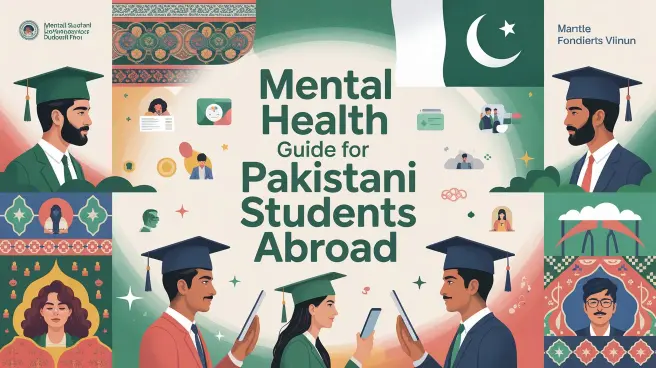
Mental Health Guide for Pakistani Students Abroad: Complete Support Resource
Introduction
Are you studying abroad and feeling overwhelmed or anxious? Mental health guide for Pakistani students abroad provides comprehensive support addressing emotional challenges of international education. Studying in a new country brings excitement but also stress, homesickness, cultural adjustment, and academic pressure that significantly impact mental wellbeing.
Mental health guide for Pakistani students abroad recognizes that Pakistani students face unique challenges—distance from family, cultural differences, financial stress, and identity concerns. Understanding these challenges, accessing support resources, and developing coping strategies ensures you maintain mental health while pursuing your educational goals.
This comprehensive guide explores mental health guide for Pakistani students abroad, common challenges, warning signs, support services, coping strategies, and practical resources to help you maintain emotional wellbeing during your studies overseas.
At Endeavours Consultants, we support Pakistani students’ overall wellbeing, including mental health during mental health guide for Pakistani students abroad. Our expert team provides comprehensive guidance and resource connections. Learn more about studying abroad with wellbeing support with our specialized services.
Understanding Mental Health Challenges
Why Mental Health Guide for Pakistani Students Abroad Matters
Pakistani students face specific mental health challenges studying overseas:
Homesickness and Separation – Distance from family and familiar environment
Cultural Adjustment – Different social norms, values, and expectations
Academic Pressure – High expectations, difficult courses, grades
Financial Stress – Balancing expenses, currency concerns, family support
Identity Concerns – Managing Pakistani and international identities
Social Isolation – Limited community, feeling disconnected
Discrimination – Potential bias or prejudice experiences
Language Barriers – Communication challenges affecting confidence
Lack of Support System – Absence of traditional family support
Visa and Residency Stress – Administrative anxiety and uncertainty
Common Mental Health Challenges for Pakistani Students
Issues Addressed in Mental Health Guide for Pakistani Students Abroad
Depression and Anxiety:
| Challenge | Indicators | Impact |
|---|---|---|
| Depression | Persistent sadness, loss of interest, fatigue | Academic performance, daily functioning |
| Anxiety | Worry, panic attacks, nervousness | Study concentration, social interaction |
| Stress | Feeling overwhelmed, sleep issues, irritability | Health, relationships, academic success |
| Homesickness | Missing family, longing for home, isolation | Emotional wellbeing, motivation |
Academic Stress:
- Difficulty adjusting to new academic systems
- High grade expectations and competition
- Language barriers affecting learning
- Imposter syndrome and self-doubt
- Balancing multiple assignments and deadlines
Social and Cultural Challenges:
| Challenge | Details |
|---|---|
| Cultural Shock | Differences in social norms, communication styles, values |
| Social Isolation | Limited Pakistani/familiar communities, language barriers |
| Discrimination | Potential bias, stereotyping, exclusion experiences |
| Identity Conflict | Balancing Pakistani heritage with international identity |
Financial Stress:
- Managing tight budgets
- Concern about family financial burden
- Pressure to succeed (repay investment)
- Currency fluctuations affecting costs
- Unexpected expenses
Warning Signs of Mental Health Issues
Recognizing Problems in Mental Health Guide for Pakistani Students Abroad
Physical Symptoms:
| Symptom | Details |
|---|---|
| Sleep Changes | Too much or too little sleep, insomnia |
| Appetite Changes | Eating more or less than usual |
| Fatigue | Persistent tiredness despite rest |
| Physical Pain | Headaches, stomach issues without clear cause |
| Neglecting Health | Skipping meals, poor hygiene, not exercising |
Emotional Symptoms:
- Persistent sadness or emptiness
- Excessive worry or anxiety
- Irritability or mood swings
- Feeling overwhelmed or out of control
- Loss of interest in activities
- Difficulty concentrating
- Low self-esteem or self-doubt
Behavioral Changes:
| Change | Details |
|---|---|
| Social Withdrawal | Avoiding friends, isolating from others |
| Academic Decline | Skipping classes, missing deadlines |
| Substance Use | Increased alcohol or substance consumption |
| Risky Behavior | Dangerous decisions uncharacteristic of you |
| Expressing Hopelessness | Talking about wanting to die or harm |
When to Seek Help:
Seek professional help if symptoms persist 2+ weeks or significantly impact functioning.
Support Resources Available
Mental Health Guide for Pakistani Students Abroad – Where to Get Help
University Mental Health Services:
| Service | Details |
|---|---|
| University Counseling | Free confidential counseling for students |
| Mental Health Advisors | Specialized staff for student wellbeing |
| Crisis Services | Emergency mental health support |
| Peer Support Programs | Student-led support groups |
| Disability Services | Accommodations for mental health conditions |
How to Access:
- Visit university health center or counseling office
- Call mental health hotline
- Email to schedule appointment
- Walk-in services available (usually same-day)
- Online counseling often available
External Mental Health Resources:
International Organizations:
- International Association for Suicide Prevention:
- Mind (UK): https://www.mind.org.uk/information-support/
- Headspace (Australia): https://www.headspace.com.au/
- Crisis Text Line (USA): Text HOME to 741741
- SAMHSA National Helpline (USA): 1-800-662-4357
Pakistani Student Communities:
- Pakistani student associations
- South Asian cultural centers
- Religious community groups
- Alumni networks and mentorship
- Online Pakistani student communities
Community Mental Health Services:
| Service | Details |
|---|---|
| Public Mental Health Clinics | Free or low-cost counseling |
| Community Health Centers | Comprehensive health services |
| Crisis Hotlines | 24/7 emergency support |
| Support Groups | Peer support meeting groups |
| Online Therapy | Teletherapy platforms (BetterHelp, Talkspace) |
Coping Strategies and Wellness Practices
Managing Mental Health Guide for Pakistani Students Abroad
Healthy Lifestyle Habits:
| Area | Strategies |
|---|---|
| Sleep | Maintain regular sleep schedule, 7-9 hours nightly |
| Exercise | 30 minutes activity most days (walk, gym, yoga) |
| Nutrition | Eat balanced meals, stay hydrated |
| Substance Use | Limit alcohol, avoid drugs completely |
| Screen Time | Limit social media to reduce comparison |
Stress Management Techniques:
Mindfulness and Relaxation:
- Meditation – 10-20 minutes daily (apps: Calm, Headspace, Insight Timer)
- Deep Breathing – 4-7-8 technique for anxiety
- Progressive Muscle Relaxation – Release physical tension
- Yoga – Combine physical activity with mindfulness
- Journaling – Write feelings and thoughts daily
Cognitive Strategies:
- Identify and challenge negative thoughts
- Practice gratitude (list 3 good things daily)
- Set realistic goals and expectations
- Celebrate small wins and accomplishments
- Practice self-compassion and kindness
Social Connection:
| Strategy | Details |
|---|---|
| Family Connection | Video calls with family regularly |
| Peer Support | Maintain friendships at university |
| Join Groups | Student clubs, sports, cultural activities |
| Volunteer | Helping others builds purpose and connection |
| Professional Help | Therapist or counselor support |
Cultural and Religious Considerations
Special Aspects of Mental Health Guide for Pakistani Students Abroad
Cultural Factors:
| Factor | Consideration |
|---|---|
| Family Honor | Stigma around mental health in traditional culture |
| Expectations | High family academic and career expectations |
| Gender Roles | Different expectations based on gender |
| Independence | Balancing autonomy with family loyalty |
Addressing Cultural Barriers:
- Recognize mental health as legitimate health concern
- Communicate with family about mental health importance
- Find culturally competent mental health providers
- Connect with Pakistani counselors/therapists if possible
- Use faith community for spiritual support
Religious Support:
- Prayer and spiritual practices
- Mosque or religious center community
- Religious counseling services
- Islamic perspective on mental health
- Faith-based student organizations
Breaking Stigma:
Pakistani culture often stigmatizes mental health. Key messages:
- Mental health is physical health
- Seeking help shows strength, not weakness
- Many successful people have mental health challenges
- Treatment is effective and confidential
- Family support possible even if initially resistant
Creating a Support Network
Building Mental Health Guide for Pakistani Students Abroad Resources
Personal Network:
Family Connection:
- Regular video calls (weekly schedule)
- Share experiences and feelings
- Maintain cultural practices (food, celebrations)
- Discuss challenges when ready
- Accept imperfect communication
University Support System:
| Component | Action |
|---|---|
| Identify Counselor | Meet university counselor early |
| Join Groups | Peer support and student organizations |
| Build Friendships | Connect with classmates and roommates |
| Know Resources | Campus mental health services, hotlines |
| Academic Advisor | Discuss academic stress and solutions |
Online Communities:
- Pakistani student forums
- Mental health discussion groups
- Study groups for academic support
- Social media communities (use positively)
- Online therapy platforms
Emergency Contacts:
Create list with:
- University counseling center phone/hours
- Crisis hotline numbers
- Trusted friend/mentor contact
- Family emergency contact
- Mental health provider (if using)
Self-Care Plan Development
Personal Mental Health Guide for Pakistani Students Abroad
Create Your Wellness Plan:
| Component | Your Plan |
|---|---|
| Daily Habits | Exercise, sleep, meals, study schedule |
| Stress Relief | Meditation, hobbies, social activities |
| Support System | Friends, counselor, family contacts |
| Warning Signs | Things that indicate you need help |
| Help Resources | Hotlines, counselor, websites, apps |
| Emergency Plan | What to do in crisis situations |
Weekly Wellness Checklist:
- Exercise 3+ times
- Sleep 7-9 hours nightly
- Connect with friends/family
- Attend counseling (if using)
- Practice stress relief technique
- Eat balanced meals
- Limit social media/screen time
- Engage in enjoyable activity
Academic Success and Mental Health Balance
Managing Mental Health Guide for Pakistani Students Abroad with Studies
Academic Strategies:
| Strategy | Details |
|---|---|
| Time Management | Create realistic schedule, build in breaks |
| Study Skills | Seek academic support, tutoring if needed |
| Perfectionism | Set high but achievable goals |
| Procrastination | Break work into smaller manageable pieces |
| Work-Life Balance | Study time AND personal time essential |
When Academic Stress Becomes Overwhelming:
- Talk to academic advisor about workload
- Connect with course instructors
- Access university academic support services
- Discuss with mental health counselor
- Consider course reduction if needed
- Use disability services for accommodations
Managing Expectations:
Pakistani culture emphasizes high achievement. Consider:
- Top grades less important than learning
- Your wellbeing matters more than any grade
- B or C grades still successful
- Mental health directly affects academic performance
- Taking care of yourself improves results
Financial Stress Management
Mental Health Guide for Pakistani Students Abroad – Money Matters
Financial Stress Solutions:
| Challenge | Strategy |
|---|---|
| Tight Budget | Create budget, track spending, find free resources |
| Unexpected Costs | Emergency fund, student loans, university assistance |
| Family Burden | Accept reasonable limitations, communicate honestly |
| Work Stress | Part-time work supporting studies (not overwhelming) |
| Currency Concerns | Plan for rate changes, discuss with family |
Financial Resources:
- University financial aid office
- Student emergency funds
- Scholarship opportunities
- Part-time work (within visa limits)
- Financial counseling services
- Community assistance programs
Coping with Guilt:
Pakistani students often feel guilty about family investment:
- Your education is worthwhile investment
- Doing your best is sufficient
- Mental health protects that investment
- Career success comes from wellness too
- Family support is expression of love
Crisis Support and Emergency Resources
Mental Health Guide for Pakistani Students Abroad – Emergency Help
Warning Signs Requiring Immediate Help:
Seek immediate help if experiencing:
- Thoughts of suicide or self-harm
- Severe panic or inability to function
- Substance overdose or poisoning
- Violent thoughts toward others
- Complete inability to care for yourself
- Hearing voices or seeing things
Immediate Actions:
| Situation | Action |
|---|---|
| Suicidal Thoughts | Call crisis line, go to emergency room, tell trusted person |
| Self-Harm Urges | Call counselor, go to ER, reach out to friend |
| Severe Panic | Call 911, go to ER, contact emergency services |
| Overdose | Call emergency (911 USA, 999 UK, 000 Australia) |
Emergency Hotlines by Country:
USA:
- National Suicide Prevention Lifeline: 1-800-273-8255
- Crisis Text Line: Text HOME to 741741
- National Hotline: https://suicidepreventionlifeline.org/
UK:
- Samaritans: 116 123
- Crisis Text Line: Text SHOUT to 85258
- Mind Helpline: 0300 123 3393
Canada:
- Canada Suicide Prevention Service: 1-833-456-4566
- Crisis Text Line: Text HELLO to 741741
Australia:
- Lifeline: 13 11 14
- Beyond Blue: 1-300-224-636
- Crisis Text Line: Text HELLO to 50808
Pakistan (for family to contact):
- Pakistan Health Ministry Mental Health Helpline: 0333-MIND (6463)
- Befrienders Pakistan: 0345-4135-882
How Endeavours Consultants Helps
Support for Mental Health Guide for Pakistani Students Abroad
At Endeavours Consultants, we support student wellbeing:
Services Provided:
1. Pre-Departure Mental Health Preparation
- Discuss adjustment expectations
- Identify potential challenges
- Build coping strategy foundation
- Connect with other students
- Prepare for transition
2. Ongoing Support and Check-ins
- Regular contact during studies
- Listen to challenges
- Provide encouragement
- Connect resources
- Support problem-solving
3. Resource Connection
- Provide mental health resources
- Connect with counseling services
- Identify community support
- Share wellness apps and tools
- Facilitate peer networks
4. Family Communication
- Help explain student experience
- Bridge cultural understanding
- Facilitate family support
- Reduce family stress
- Improve communication
5. Crisis Support
- Provide emergency resources
- Help connect with counseling
- Support crisis communication
- Follow up after crisis
- Plan recovery support
6. Wellbeing Workshops
- Stress management techniques
- Cultural adjustment strategies
- Time management skills
- Healthy habits promotion
- Community building activities
Contact Endeavours Today:
📞 +92 320 6565 059 📧 [email protected] 🌐 endeavourspk.com
Office Locations: 📍 Faisalabad: P-17/A Peoples Colony (opposite Radio Pakistan) 📍 Lahore: Plaza 100, MM Alam Road, 2nd Floor
Frequently Asked Questions
Q1: Is it normal to struggle with mental health guide for Pakistani students abroad? A: Yes, very normal. Most students experience adjustment challenges. 50%+ seek counseling. You’re not alone in struggles.
Q2: How do I access mental health services with mental health guide for Pakistani students abroad? A: Contact university counseling center, call mental health hotline, or visit health center. Most services free/low-cost for students.
Q3: Will seeking help with mental health guide for Pakistani students abroad affect my visa? A: No, seeking mental health support does not impact student visa status. Mental health is confidential healthcare.
Q4: What if I can’t afford counseling services? A: University services usually free for enrolled students. Crisis lines free. Online resources free. Community services sliding scale.
Q5: Can I talk to family about mental health guide for Pakistani students abroad challenges? A: Yes, consider timing and approach. Many families supportive once understand. Frame as managing normal adjustment challenges.
Q6: How can I maintain connection while managing mental health guide for Pakistani students abroad? A: Regular video calls, share updates, involve family appropriately. Maintain Pakistani cultural practices if comforting.
Q7: Is it okay to take medication for mental health guide for Pakistani students abroad issues? A: Yes, medication can be helpful for many conditions. Prescribed by doctor, monitored for effectiveness. No shame.
Q8: What if my university counselor isn’t helpful? A: Request different counselor, seek community services, use online therapy, talk to friends. Fit matters—persistence important.
Q9: How can I help friend struggling with mental health guide for Pakistani students abroad? A: Listen without judgment, encourage help-seeking, provide resource information, stay involved, report if danger.
Q10: Will mental health challenges pass over time? A: Often yes, with support and coping strategies. Adjustment takes time. Professional help accelerates improvement.
Helpful Mental Health Apps and Websites
Mental Health Guide for Pakistani Students Abroad – Digital Resources
Meditation and Mindfulness Apps:
- Calm: https://www.calm.com/
- Headspace: https://www.headspace.com/
- Insight Timer: https://insighttimer.com/
- 10% Happier: https://www.tenpercent.com/
Mental Health Support Apps:
- BetterHelp: https://www.betterhelp.com/
- Talkspace: https://www.talkspace.com/
- Sanvello: https://www.sanvello.com/
- Woebot: https://www.woebot.io/
Information and Support Websites:
- Psychology Today Therapist Finder: https://www.psychologytoday.com/
- National Institute of Mental Health: https://www.nimh.nih.gov/
- Mental Health America: https://www.mhanational.org/
- ADAA (Anxiety and Depression Association): https://adaa.org/
Explore Comprehensive Student Support
If navigating challenges abroad, explore:
- Study in USA – USA education and adjustment
- Best Cities in USA for Pakistani Students – Community selection for support
- Study in Australia – Australian student resources
- Study in UK – UK student support services
- How to Extend Student Visa in UK 2026 – Administrative support
Learn more about our comprehensive services for student wellbeing support.
Key Takeaways
Mental health guide for Pakistani students abroad addresses common adjustment challenges
Homesickness, stress, anxiety, and cultural adjustment normal – you’re not alone
University counseling services FREE – use them without hesitation
Warning signs include sleep changes, social withdrawal, persistent sadness – seek help early
Coping strategies: exercise, sleep, connect with others, mindfulness – daily practices matter
Seeking help shows strength, not weakness – mental health as important as physical health
Crisis support available 24/7 – multiple hotlines and emergency services
Family support possible – frame concerns appropriately, communicate clearly
Self-care plan essential – develop before struggles escalate
You deserve wellbeing – academic success secondary to mental health
Conclusion
Mental health guide for Pakistani students abroad acknowledges that studying overseas presents real emotional challenges requiring attention and support. The combination of academic pressure, cultural adjustment, distance from family, and financial stress creates unique mental health concerns for Pakistani students.
Understanding common challenges, recognizing warning signs early, and accessing available support prevents problems from escalating. Universities provide excellent mental health services specifically designed for student needs. External resources and personal coping strategies provide additional support layers.
Mental health is not weakness—seeking help demonstrates wisdom and self-care. Pakistani students who prioritize wellbeing alongside academics achieve greater success, satisfaction, and personal growth. Your mental health is as important as your education.
At Endeavours Consultants, we’re committed to supporting Pakistani students’ complete wellbeing through mental health guide for Pakistani students abroad resources and ongoing care.
Contact us today for mental health support and comprehensive student wellbeing guidance!